



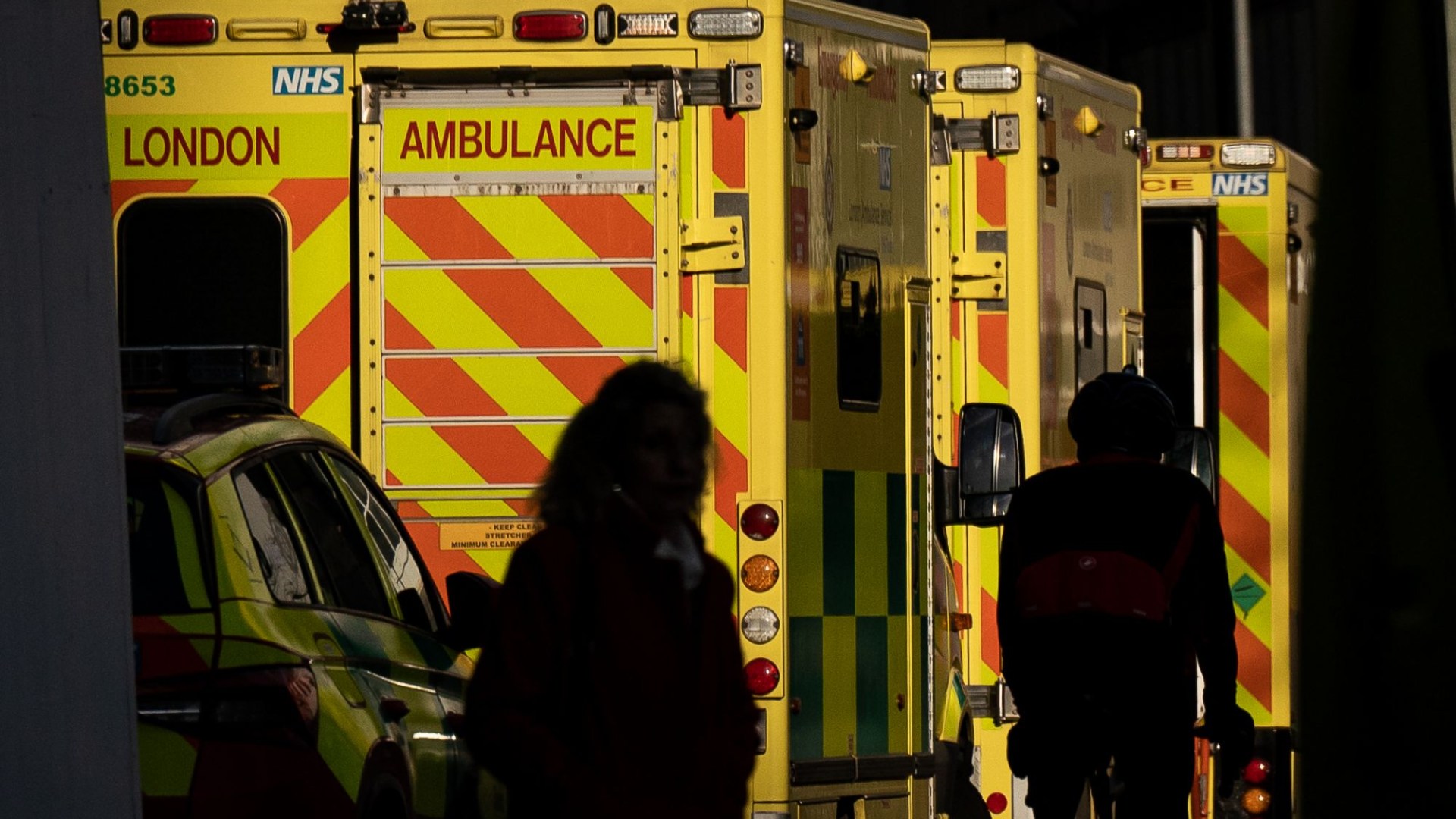
The Cwm Taf Morgannwg University Health Board in Wales issued an urgent plea to the public, requesting them to avoid visiting the emergency departments of three major hospitals – Royal Glamorgan, Prince Charles, and Princess of Wales – unless absolutely necessary. The hospitals are experiencing exceptionally high demand, with emergency departments and hospital beds at capacity, driven by a surge in patients seeking both urgent and non-urgent care. This heightened demand is straining resources and impacting the hospitals’ ability to provide timely care. The health board emphasized that while staff are working tirelessly to manage the influx, prioritizing the most critically ill or injured patients is paramount. Consequently, individuals presenting with less serious conditions will face extended waiting times, even if they arrive before others.
To alleviate pressure on the overwhelmed emergency departments, the health board strongly encouraged the public to explore alternative healthcare options for non-urgent issues. They advised utilizing the health board’s website to locate nearby minor injuries units, general practitioners (GPs), pharmacies, and other specialist services. The NHS 111 Wales symptom checker was also recommended as a resource to guide individuals towards the appropriate level of care, potentially saving them an unnecessary trip to a hospital. Furthermore, the health board appealed to families and friends of patients being discharged to expedite the process by ensuring their homes are prepared and providing transportation, thereby freeing up much-needed hospital beds.
The urgent appeal from the Welsh hospitals underscores a broader trend of escalating pressures on healthcare systems across the UK. Basingstoke and Winchester hospitals recently declared a critical incident due to bed shortages, highlighting the widespread strain on resources. This situation is exacerbated by the convergence of winter illnesses, including flu, COVID-19, respiratory syncytial virus (RSV), and norovirus, creating what some experts have termed a “quad-demic.” The confluence of these illnesses is driving up hospital admissions, placing significant burdens on staff and infrastructure.
The impact of the flu season is particularly pronounced, with NHS data revealing a substantial increase in hospitalizations due to influenza. One in eighteen hospital beds in England is currently occupied by flu patients, a significant jump from the previous week. This surge in flu cases, coupled with other seasonal illnesses, is contributing to the overwhelming demand on emergency departments and hospital beds. The NHS has implemented various measures to mitigate the impact of the flu season, including expanding vaccination access through initiatives like pop-up clinics in supermarket car parks and football clubs. However, the early onset and severity of this year’s flu season continue to pose a significant challenge.
The NHS continues to urge eligible individuals to get their flu vaccinations to protect themselves and reduce the burden on healthcare services. Furthermore, they advise the public to exercise caution when visiting loved ones who are seriously ill to prevent the spread of infection, particularly during the holiday season when social gatherings are common. This proactive approach aims to curb the transmission of respiratory illnesses and alleviate pressure on already strained healthcare systems.
The situation in Wales and across the UK reflects the broader challenges facing healthcare systems globally as they grapple with rising demand, limited resources, and the impact of seasonal illnesses. The emphasis on utilizing alternative healthcare options, such as NHS 111 and local pharmacies, highlights the importance of appropriate healthcare utilization and seeking care at the right level. This not only reduces pressure on emergency departments but also ensures that individuals receive timely and appropriate care for their specific needs.