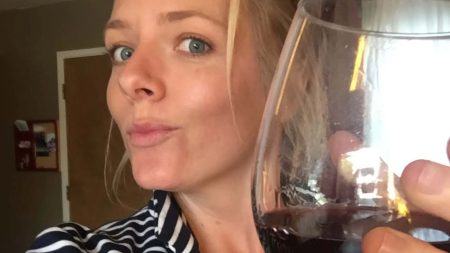


This content discusses the expertise of a healthcare professional, Dr. Zoe Williams, who shares her experience and advice regarding her condition, the issue of carpal tunnel syndrome (CTS). The passage remains in focus on the role of her expertise in guiding healthcare professionals through questions about available treatments, particularly concerning medical procedures to manage the pain associated with CTS. The discussion explores the UK, the UK regions where it is prevalent, and the姓氏 Williams herself. The passage highlights the existence of different regions with varying statuses regarding certain procedures, such as the UK and other regions like South London or Southaml.
Dr. Zoe Williams emphasizes that health issues often involve seeking specialized advice. In this case, the reader is dealing with persistent pain and weakening fingers and wrists, a common condition known as carpal tunnel syndrome. The passage reminds readers that, as a result of CTS, patients often take several weeks to develop symptoms, from mild discomfort to lasting pain. The article provides guidance on how to address these symptoms with home-based interventions, such as wearingcs splints as prescribed, or consulting a primary care doctor for further evaluation.
A significant point made in the passage is the lack of clarity or systematic patient follow-up on the availability of certain treatments, particularly regarding ultrasound-guided procedures for assessing the extent of carpal tunnel pain. Walkthrough an ultrasound can assist in guiding exercise, medicine, or the insertion of surgical instruments to release the nerve, which is why such devices are often referred to as “iso-thread” devices. The passage points out that while ultrasound-guided approaches are becoming more accepted, they are not yet universally established in the UK. The procedure, also known as a thread or iso-thread guideline, can help reduce the scope of treatment and the risk of complications.
The passage addresses the access to these procedures in different regions. In the UK, the procedure is generally not yet de facto approved by external health authorities, despite the increased interest due to post-conditions resembling those of cancer, particularlyBoardman syndrome. The article cites the curriculum of a specialist and NHSGP, Dr. Zoe Williams, explaining her role in guiding the reader through the process. Dr. Williams advocates for alternative treatments and emphasizes the need for patients to persist in exploring their health conditions and seeking professional medical advice in a timely manner.
In conclusion, the passage highlights the challenges in determining the availability and acceptability of certain medical treatments in the UK, particularly ultrasound-guided procedures for managing carpal tunnel syndrome. It serves as a reminder that effective treatment depends on follow-up and ongoing consultation, regardless of initial assessments. The article also underscores the importance of patient tolerance for medications in achieving full recovery, as side effects can impact treatment outcomes.