



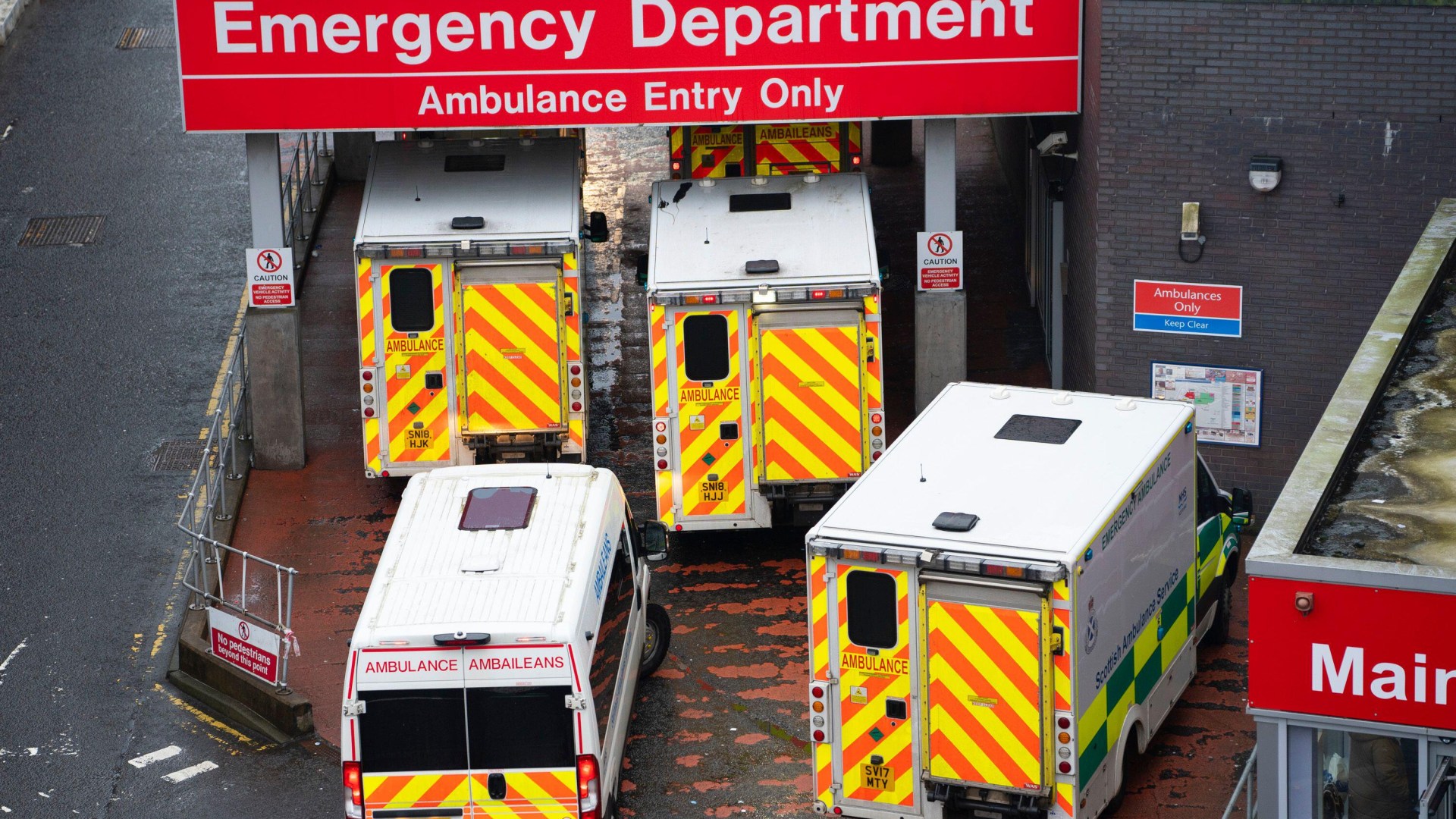
The Hampshire Hospitals NHS Foundation Trust, which oversees Basingstoke and North Hampshire Hospital and the Royal Hampshire County Hospital in Winchester, has declared critical incidents due to severe bed shortages. This dire situation signifies that both hospitals are operating at full capacity and are unable to admit any further patients, regardless of the severity of their condition. The confluence of several factors has contributed to this crisis: a surge in patient admissions, a high prevalence of infectious illnesses requiring patient isolation, and a significantly reduced discharge rate, meaning patients are staying in hospital longer than usual. This announcement underscores the immense pressure the NHS is currently facing and the potential impact on patient care.
The current bed shortage has created a bottleneck in the system, impacting patient flow and access to timely medical care. Patients presenting with non-life-threatening conditions are being strongly advised to avoid the emergency departments at both hospitals, as they may face extremely long wait times due to the overwhelmed system. The Trust is actively encouraging individuals with less urgent medical needs to explore alternative healthcare options, such as contacting the NHS 111 service, consulting their general practitioner, visiting a local pharmacy, or seeking treatment at an urgent treatment center. These alternatives can provide appropriate care for less severe conditions and help alleviate the strain on the already overburdened hospital emergency departments.
Hospital staff are working diligently to address the capacity issues and improve patient flow. One key strategy involves expediting the discharge of patients who are medically stable and could safely recuperate at home. The Trust is appealing to family members and friends to assist in this process by promptly collecting their loved ones once they are ready to be discharged. This collaborative effort can free up valuable bed space for individuals requiring acute hospital care. Hospital teams are available to provide support with medications, equipment, and other necessary arrangements to facilitate a smooth transition home.
The critical incident declaration comes amidst a challenging period for the NHS, grappling with a “quad-demic” of winter illnesses. The convergence of influenza, COVID-19, respiratory syncytial virus (RSV), and norovirus has placed an unprecedented strain on healthcare resources. Hospitals across the country are reporting a significant surge in flu cases, with a 70% increase in the past week alone. Norovirus cases are also on the rise, up 10% from the previous week and 64% compared to last year. Additionally, RSV cases among children remain high, with an average of 152 children hospitalized daily, a 42% increase from the same period in 2023.
The NHS provides clear guidance on when to seek emergency care. A&E departments are reserved for serious injuries and life-threatening emergencies. For adults, this includes signs of a heart attack or stroke, heavy bleeding, and seizures. For children, life-threatening emergencies include seizures, choking, heavy bleeding, and severe injuries. For non-life-threatening conditions, alternative options are available, including urgent treatment centers, walk-in clinics, GP appointments, and pharmacists. Urgent treatment centers are equipped to handle conditions such as cuts, stomach pain, vomiting, and diarrhea. GPs and pharmacists can provide advice and treatment for general aches and pains, skin rashes, earaches, and other less serious ailments.
The current situation highlights the importance of utilizing healthcare resources appropriately and seeking the most suitable level of care for individual needs. By choosing the right healthcare setting, individuals can contribute to reducing the burden on emergency departments, allowing healthcare professionals to focus on those requiring immediate, life-saving interventions. The NHS continues to work tirelessly to manage the unprecedented demand and ensure the best possible care for all patients during this challenging winter season. The public is urged to be patient and understanding as the NHS navigates this critical period.