


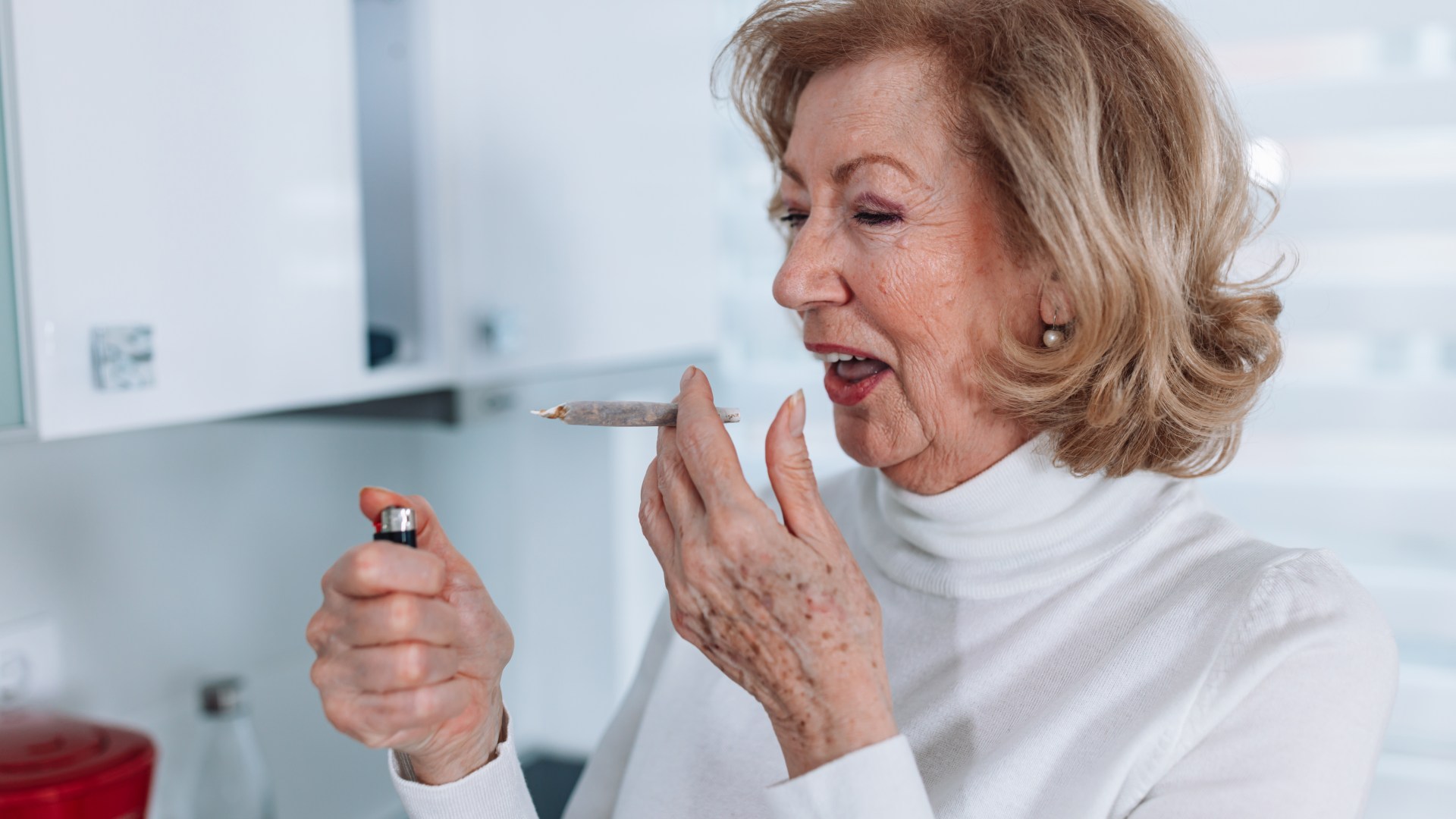
The alarming rise in cannabis-related hospital admissions among older adults paints a concerning picture of evolving drug use patterns and highlights the potential health risks associated with cannabis, particularly for vulnerable populations. In 2022, a staggering 2,707 individuals aged 60 and over required hospital treatment following cannabis use, a 650% surge compared to a decade ago and a 56% increase since the onset of the COVID-19 pandemic. This escalating trend underscores the need for increased awareness, education, and targeted interventions to address the specific needs of older adults who use cannabis.
This surge in hospitalizations among older adults, often referred to as “silver smokers,” is distributed across various age groups, with 1,100 individuals in their 70s, 110 in their 80s, and even nine individuals in their 90s requiring medical attention. These individuals presented with a range of conditions, including hallucinations, withdrawal symptoms, and cannabis poisoning, indicating the potential severity of adverse reactions in this age group. The increasing prevalence of cannabis use among older adults raises concerns about the potential interaction with pre-existing health conditions, medications, and the overall impact on their physical and mental well-being.
Further amplifying the concern is the hospitalization of 22 babies and children under the age of four due to cannabis poisoning. These cases are believed to be a result of accidental ingestion or exposure to secondhand smoke in the presence of cannabis-using parents. This highlights the critical need for responsible cannabis storage and usage practices, particularly in households with young children, to prevent accidental exposure and potential harm. The unintentional exposure of children to cannabis underscores the broader societal impact of increasing cannabis use and the need for public health campaigns addressing safe storage and responsible consumption.
The overall picture of cannabis-related hospital admissions is equally concerning, with a total of 57,000 individuals requiring medical treatment for adverse reactions or overdoses. This significant number reflects the growing prevalence of cannabis use across all age groups and the potential for negative health consequences. While cannabis is often perceived as a relatively harmless substance, these figures highlight the need for a balanced and informed approach to understanding its potential risks. The significant number of hospitalizations warrants a closer examination of the factors contributing to this rise, including the increasing potency of cannabis products, changing patterns of use, and the need for comprehensive public health education regarding potential risks.
Experts attribute the rise in cannabis-related hospitalizations to various factors, including the tendency among older adults to self-medicate for various ailments. The belief that cannabis can alleviate pain, anxiety, and other age-related conditions may lead some older individuals to experiment with or increase their cannabis consumption without proper medical guidance. This self-medication trend raises concerns about potential interactions with existing medications, the possibility of worsening pre-existing conditions, and the lack of appropriate medical oversight. Furthermore, individuals who initiated cannabis use in their youth, particularly during the 1960s, may have resumed or continued their usage into later life, contributing to the current increase in hospitalizations.
The National Drug Prevention Alliance and the UK Addiction Treatment Centres group have both expressed concern over the perception of cannabis as a harmless drug. They emphasize the potential dangers associated with cannabis use, particularly in vulnerable populations like older adults and young children. The normalization of cannabis use and the downplaying of its potential risks contribute to a lack of awareness about the potential for adverse reactions and the need for responsible consumption. The increasing potency of cannabis products available today further exacerbates these risks, necessitating more robust public health messaging about the potential dangers associated with cannabis use across various age groups. A more nuanced approach to cannabis education is crucial, one that acknowledges its potential therapeutic benefits while clearly outlining the associated risks and the importance of responsible use under medical supervision.