


Bedtime stories, often viewed as a soothing prelude to sleep for children, may also hold valuable insights into the complexities of sleep itself. Researchers propose that these classic tales can not only underscore the importance of quality sleep but also illuminate common sleep disorders, making them an unexpected tool for both education and potential early identification of sleep issues. By examining the behaviors and experiences of beloved fairytale characters, we can draw parallels to real-life sleep challenges and gain a deeper appreciation for the impact of sleep on our overall well-being.
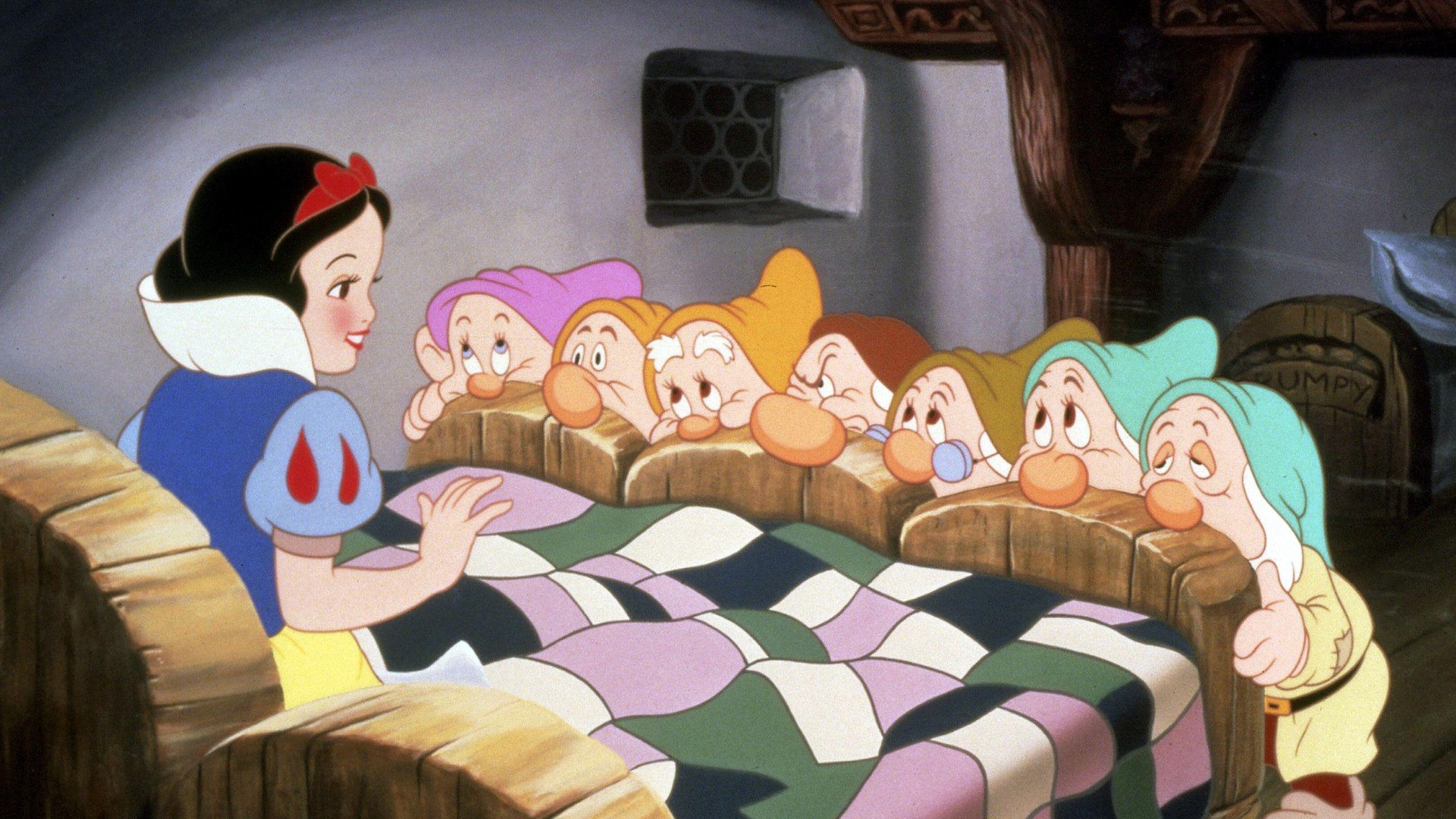
The story of Snow White and the Seven Dwarfs, for instance, offers a compelling narrative on the detrimental effects of sleep deprivation, potentially mirroring the symptoms of obstructive sleep apnea (OSA). The dwarfs’ distinct personalities – Grumpy, Sleepy, Bashful, Doc – can be interpreted as manifestations of the irritability, fatigue, social withdrawal, and cognitive impairments commonly associated with OSA. The condition, characterized by interrupted breathing during sleep, can lead to daytime consequences such as mood swings, exhaustion, and difficulty concentrating, all of which resonate with the dwarfs’ behaviors. Even Sneezy’s persistent allergies could be linked to OSA, as fatigue can weaken the immune system, increasing susceptibility to respiratory illnesses.
The Princess and the Pea, with its depiction of a princess acutely sensitive to even the smallest discomfort, raises the possibility of sensory sensitivities, a characteristic often observed in individuals with autism spectrum disorder (ASD). The princess’s inability to sleep due to the pea under her mattress highlights the heightened sensory processing experienced by many with ASD, who may be particularly sensitive to textures, sounds, and other stimuli. This tale subtly sheds light on the sleep challenges faced by those with sensory processing differences, emphasizing the importance of a tailored sleep environment.
Goldilocks and the Three Bears provides a simple yet powerful lesson on the crucial role of a conducive sleep environment. Goldilocks’ quest for the “just right” bed, temperature, and ambiance speaks to the universal need for a comfortable and peaceful setting to promote restful sleep. Factors like room temperature, noise levels, and mattress comfort significantly impact sleep quality, highlighting the importance of creating a sleep sanctuary that caters to individual needs.
Peter Pan and the Lost Boys offer a glimpse into the realm of parasomnias, a group of sleep disorders encompassing sleepwalking, night terrors, and sleep talking. Peter’s “painful” dreams, potentially nightmares or night terrors, are often associated with stress, anxiety, and sleep deprivation. The Lost Boys, abandoned by their parents and perpetually threatened by Captain Hook, exemplify the emotional turmoil that can trigger these sleep disturbances. Their experiences underscore the interconnectedness of emotional well-being and sleep health.
These fairytale interpretations offer a unique and engaging approach to understanding sleep disorders. While not intended for clinical diagnosis, they serve as valuable conversation starters about the importance of sleep and the potential signs of underlying sleep issues. By recognizing these parallels between fictional characters and real-life sleep challenges, we can foster greater awareness and encourage proactive steps towards seeking professional help when needed. Furthermore, these stories remind us of the critical role sleep plays in our physical and mental health, emphasizing the need to prioritize and cultivate healthy sleep habits.