



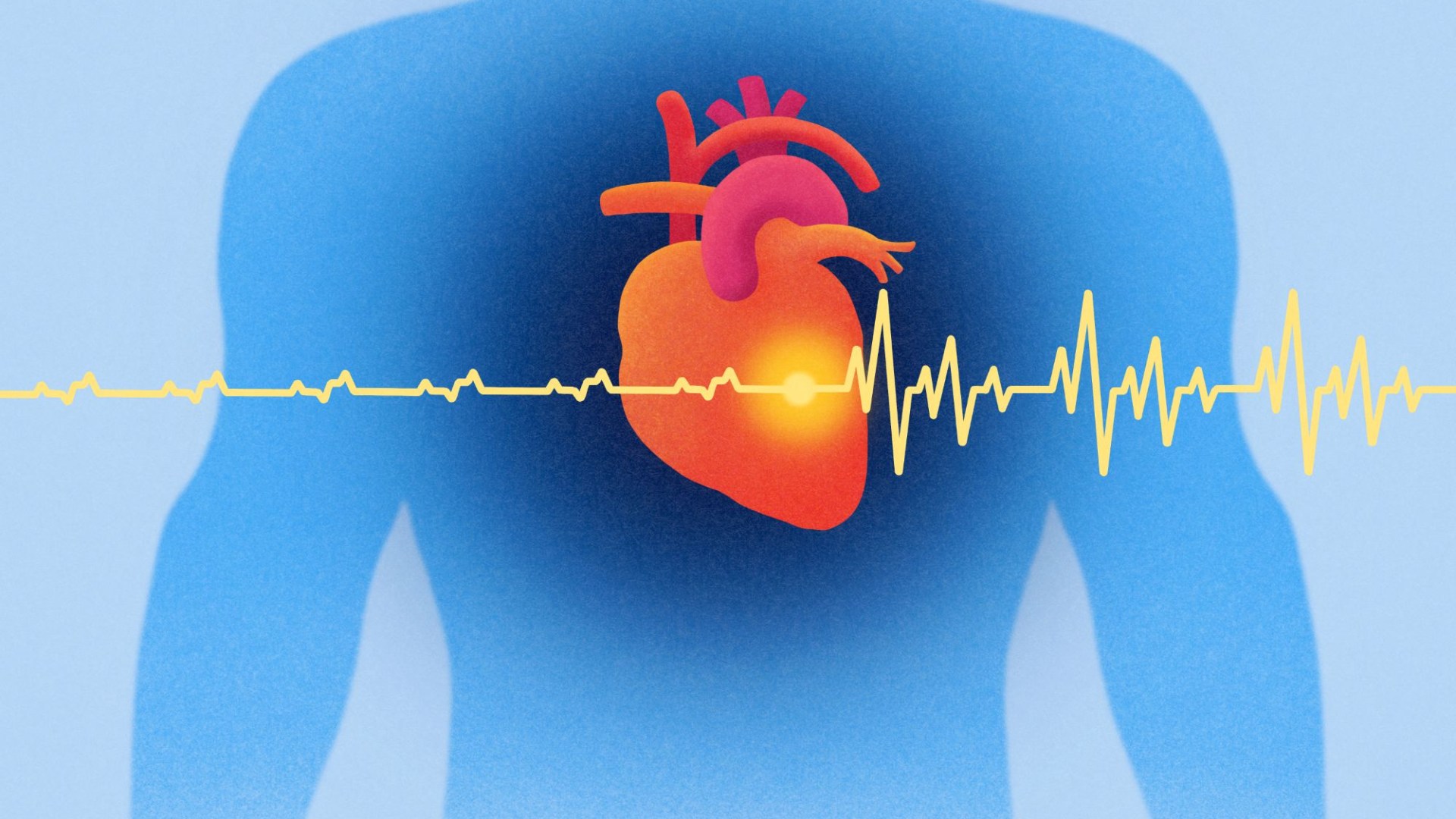
Subtle symptoms of heart problems often go unnoticed or are mistaken for other conditions, highlighting the importance of recognizing these less obvious signs. While chest pain and palpitations are widely recognized as heart-related, other symptoms like breathlessness, fatigue, irregular heartbeats, facial changes, and persistent aches can also indicate underlying heart issues. Singer Max George’s recent diagnosis of a heart block underscores the fact that these problems can affect individuals of any age and emphasizes the need for greater awareness.
Breathlessness, easily dismissed as a sign of aging or lack of fitness, can be a significant indicator of heart disease. When the heart struggles to pump blood efficiently, fluid can accumulate in the lungs, leading to shortness of breath, even during minimal exertion. Similarly, persistent fatigue can be a symptom of heart failure, as the body prioritizes blood flow to vital organs like the brain and heart, leaving muscles feeling weak and depleted. Ignoring these seemingly benign symptoms can have serious consequences.
Changes in heart rhythm, known as palpitations, can manifest as a racing, pounding, or fluttering sensation in the chest. While sometimes triggered by external factors like caffeine or anxiety, palpitations can also signal arrhythmia, an irregular heartbeat that can increase the risk of cardiac arrest, heart failure, and stroke if left untreated. Facial changes such as swelling, blue lips, grey skin, or facial flushing can also indicate underlying heart problems, reflecting poor circulation, low oxygen levels, or high blood pressure.
Aches and pains, commonly attributed to cold weather or increased sedentary behavior during winter, can sometimes be indicative of a heart attack. Pain in the chest, neck, back, abdomen, or jaw, particularly if it radiates to the left arm, should not be ignored. Accompanying symptoms like pressure in the chest, sweating, and dizziness warrant immediate medical attention. Max George’s experience serves as a reminder to be vigilant about these symptoms and seek medical advice promptly.
Max George’s “2:1 heart block” diagnosis refers to a disruption in the heart’s electrical signaling, causing the heart to beat more slowly or with an abnormal rhythm. While first-degree heart block typically doesn’t cause symptoms, second- and third-degree blocks can lead to dizziness, exhaustion, shortness of breath, or a dangerously low heart rate. Treatment often involves implanting a pacemaker to regulate the heart’s rhythm.
Maintaining a healthy heart is crucial for overall well-being. It’s essential to consult a doctor if you experience chest, neck, or back pain radiating to the left arm, sudden nausea, sweating, lightheadedness, or confusion. These symptoms could indicate serious heart problems requiring immediate attention. Early detection and intervention are key to managing heart conditions effectively and preventing potentially life-threatening complications. Don’t hesitate to seek medical advice if you are concerned about any of the symptoms discussed. Your heart health is paramount.