

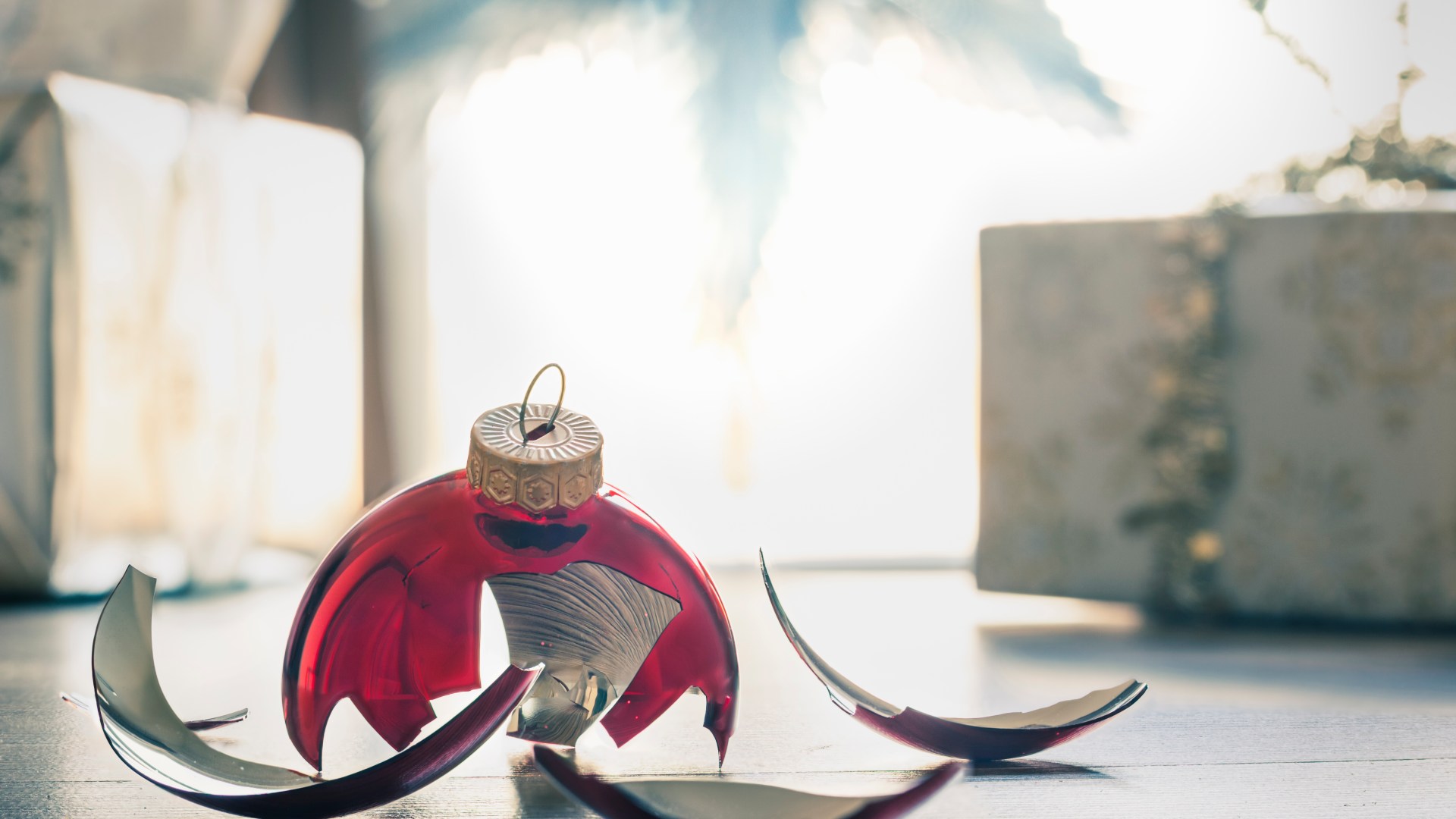
The festive season, while a time of joy and celebration, also presents a heightened risk of accidents and health issues. From burns caused by candles and cooking mishaps to alcohol poisoning and choking hazards, the potential for incidents increases significantly during Christmas. St. John Ambulance and the NHS advise everyone to “slow down” and take precautions to prevent these avoidable situations. The increased activity, presence of guests, and abundance of food and drink all contribute to the elevated risk. Children and the elderly are particularly vulnerable, especially to choking hazards from small toys or finger foods. Knowing basic first aid techniques can be crucial in these circumstances, as prompt intervention can often mitigate the severity of an incident.
One of the most significant risks during Christmas is fire, often caused by unattended candles. The NHS reports a surge in online searches for burn treatment advice during the Christmas period. Preventative measures include using appropriate candle holders, keeping flammable materials away from open flames, and considering LED candles as a safer alternative. In case of a burn, immediately cool the affected area under running water for at least 20 minutes. For severe burns, larger than the person’s hand, or burns on the face, hands, feet, or intimate areas, call emergency services immediately.
Alcohol consumption also increases during the holidays, leading to a higher incidence of alcohol poisoning. The NHS website sees a significant spike in traffic to its alcohol poisoning advice page during Christmas. To avoid this, pace your drinking, alternate alcoholic beverages with water, and eat a substantial meal while drinking. If someone exhibits symptoms of alcohol poisoning, such as confusion, slurred speech, vomiting, or difficulty breathing, call for emergency medical assistance immediately. Keep the person warm and in a seated or recovery position while waiting for help.
Trips and falls are another common Christmas hazard, often occurring while decorating or retrieving items from storage. Take your time while decorating, avoid using unstable furniture to reach high places, and enlist help for tasks requiring ladders. If a fall occurs, follow the RICE protocol: Rest, Ice, Comfortable support, and Elevation. Assess the injury for pain, swelling, bruising, and restricted movement.
The increased presence of pets and guests during the holidays can also lead to a rise in bites. While most bites are minor, some may require medical attention. Clean the wound thoroughly with soap and water, apply pressure to stop bleeding, and cover with a clean dressing. Seek medical advice if the bite is deep, on the face or head, or shows signs of infection. Be aware of the risk of tetanus and rabies, especially for unvaccinated individuals.
Electrical hazards, particularly from fairy lights, also pose a risk. Check for damaged wires before use, unplug lights before watering real trees, and ensure outdoor lights are designed for external use. If someone receives an electric shock, immediately disconnect them from the source using a non-conductive object. Check for responsiveness and breathing, and if necessary, perform CPR while waiting for emergency services.
Choking hazards are especially prevalent during Christmas due to small toys and festive foods. Encourage children to sit while eating, cut food into small pieces, and supervise them closely. If someone is choking, encourage coughing. If the airway is completely blocked, perform back blows and abdominal thrusts for adults, or back blows and chest thrusts for infants. Call emergency services immediately if the blockage persists.
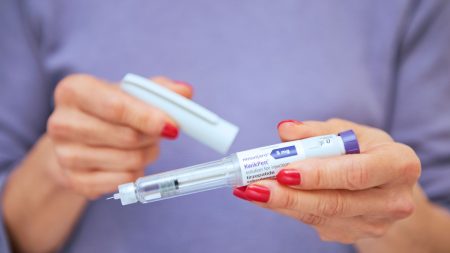
Kitchen accidents, including cuts and burns, are also common during Christmas cooking. Take precautions while preparing food, allow ample cooking time to avoid food poisoning, and be mindful of allergies. Clean cuts thoroughly and apply a sterile dressing. For severe bleeding, seek medical attention. If someone experiences an allergic reaction, particularly anaphylaxis, administer an EpiPen if available and call for emergency help immediately.
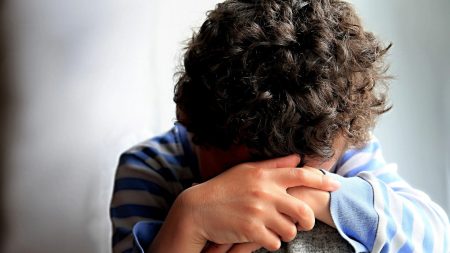
Finally, the stress of the holiday season can take a toll on mental health. Try to manage stress levels, prioritize self-care, and don’t strive for unrealistic levels of perfection. If someone experiences a panic attack, reassure them, help them to slow their breathing, and move them to a quiet space. If the attack persists or worsens, seek medical assistance. By being aware of these potential hazards and taking appropriate precautions, you can help ensure a safe and enjoyable Christmas for everyone.