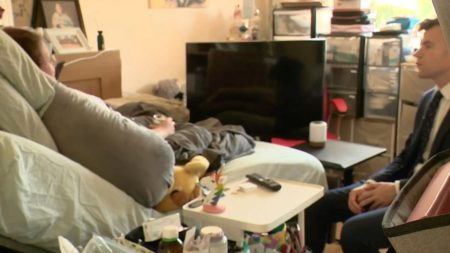




Dementia, a debilitating neurodegenerative condition affecting cognitive function, has reached record diagnosis levels in England, prompting a call for increased awareness and early detection, particularly during family gatherings like Christmas. Nearly 500,000 individuals have received a dementia diagnosis, a significant increase from the previous year, highlighting the growing prevalence of this condition. Health officials urge families to be vigilant and observe loved ones for subtle signs that might indicate the onset of dementia. This awareness campaign aims to capitalize on the holiday season, when families traditionally gather, providing an opportune time to notice any changes in behavior or cognitive abilities that might otherwise go unnoticed.
Early signs of dementia can often be subtle and easily dismissed as normal aging. Forgetfulness, confusion about time and place, difficulty following conversations, and changes in personality or behavior can all be indicators of the condition. While these symptoms can be attributed to other factors, their persistence and increasing frequency warrant further investigation. A timely diagnosis is crucial for ensuring that individuals receive the necessary care and support as early as possible, allowing them to manage their symptoms effectively and maintain their quality of life for as long as possible. Early intervention can also provide access to treatments and therapies that may help slow the progression of the disease and alleviate its impact.
The emphasis on early detection is driven by the understanding that a significant proportion of individuals living with dementia remain undiagnosed. This lack of diagnosis not only delays access to essential care but also hinders individuals and their families from understanding the changes they are experiencing. A formal diagnosis provides validation, clarity, and direction, empowering individuals to make informed decisions about their future and access support services. Furthermore, an early diagnosis enables families to better understand the challenges their loved ones are facing, fostering empathy, patience, and a more supportive environment.
Christmas, a time of joy and togetherness, can inadvertently reveal the early signs of dementia as families spend extended periods together. Changes in cognitive function that might go unnoticed in everyday life can become more apparent during these gatherings. Subtle difficulties with memory, communication, or social interaction may become more pronounced, prompting concern among family members. While this realization can be distressing, it provides an opportunity for early intervention and access to vital resources. The awareness campaign aims to encourage families to utilize this opportunity to observe their loved ones and seek professional guidance if they notice any concerning changes.
The call for increased awareness is supported by leading organizations dedicated to dementia care and research. These organizations emphasize the importance of early diagnosis and the life-changing benefits it can bring. A timely diagnosis not only provides access to necessary support and treatment but also allows individuals and their families to plan for the future and make informed decisions about their care. Moreover, an early diagnosis can empower individuals to participate in research studies and clinical trials, contributing to the development of new treatments and interventions.
The campaign to raise awareness about dementia and encourage early detection is a crucial step towards improving the lives of individuals living with the condition and their families. By encouraging families to observe for subtle signs during holiday gatherings and seek professional guidance if needed, the campaign aims to reduce the number of undiagnosed cases and ensure that individuals receive timely access to the care, support, and treatment they need. Early intervention is essential for managing the symptoms of dementia effectively, slowing the progression of the disease, and maintaining quality of life for as long as possible.