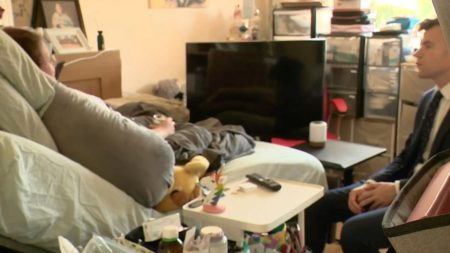



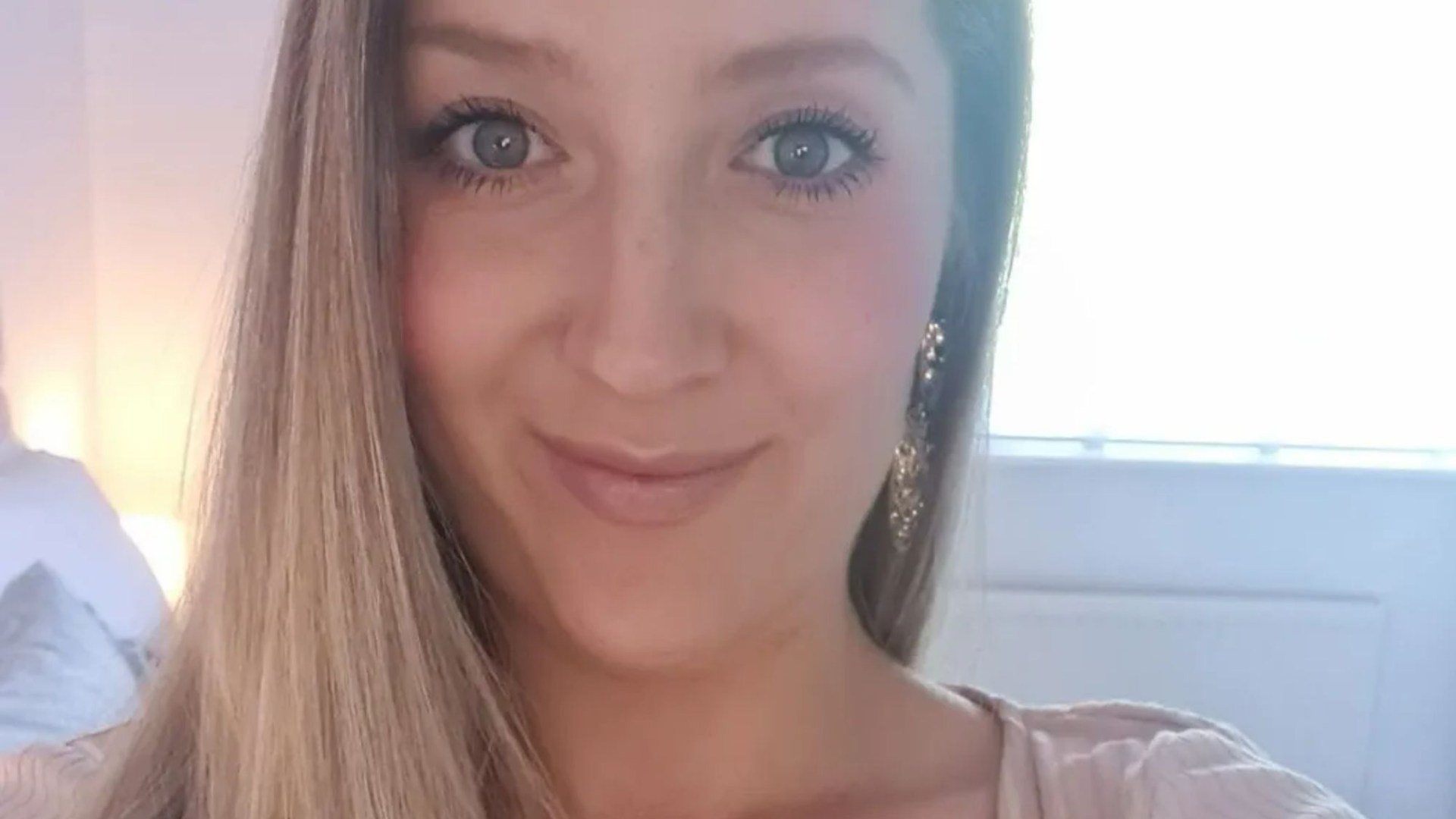
Sharni Marks, a 31-year-old mother of two, faced a devastating breast cancer diagnosis after an agonizing 18-month wait for preventative surgery. Carrying the BRCA2 gene, which significantly increases the risk of breast cancer, Sharni was advised by surgeons at Russells Hall Hospital to undergo a double mastectomy. Placed on a waiting list in August 2022, she received repeated assurances that she was a top priority, yet her surgery was continuously postponed, ultimately scheduled for March 2024. This prolonged delay tragically coincided with the development of aggressive grade-three breast cancer, a type directly linked to BRCA gene mutations.
The devastating diagnosis arrived just weeks after Sharni finally underwent the double mastectomy and reconstructive surgery. A routine post-operative assessment revealed a cancerous mass in her remaining breast tissue. Sharni’s world was shattered as she confronted the stark reality that her proactive approach to mitigating her genetic predisposition had been thwarted by systemic delays within the healthcare system. The physical and emotional toll of undergoing a major surgery, only to be diagnosed with the very disease she sought to prevent, has left Sharni grappling with the agonizing question of whether timely intervention could have altered her fate.
Sharni’s case highlights the profound impact of protracted waiting lists on patients facing life-threatening conditions. Her experience serves as a stark reminder that behind every statistic lies a human story, fraught with anxiety, fear, and the devastating consequences of delayed care. While Sharni acknowledges the immense pressures facing the NHS, she emphasizes the critical need for timely access to essential medical procedures, particularly for individuals with known genetic predispositions to cancer. Sharni’s fight is not only for her own health and well-being but also for the countless others languishing on waiting lists, their lives hanging in the balance.
The Dudley Group NHS Foundation Trust has acknowledged the severity of the situation, admitting that Sharni’s cancer “most probably” developed during the extended wait for surgery. They expressed “sincere apologies” and initiated an internal investigation to prevent similar incidents from occurring in the future. This admission, however, does little to alleviate Sharni’s suffering as she endures the grueling side effects of chemotherapy, including debilitating sickness, hair loss, and the loss of the ability to conceive naturally. Despite these immense challenges, Sharni remains resolute, focusing on her recovery and her role as a devoted mother.
Sharni, supported by her family and legal counsel, is determined to seek justice and raise awareness about the critical importance of timely access to preventative care. Her lawyer, Laura Ellacott, a specialist in medical negligence, emphasizes the devastating impact of healthcare delays, particularly in cases involving life-threatening conditions like cancer. Ellacott underscores the urgency of addressing the systemic issues contributing to prolonged waiting lists, recognizing that each delayed case represents a human being facing potential harm or even death.
Sharni’s story serves as a poignant reminder of the human cost of healthcare system failures. Her battle with cancer, exacerbated by a lengthy wait for preventative surgery, underscores the need for increased resources, streamlined processes, and a renewed commitment to providing timely and effective care for all patients. Sharni’s resilience in the face of adversity serves as an inspiration and a call to action for meaningful change within the healthcare system, ensuring that no one else endures the same agonizing ordeal. Her story highlights the importance of patient advocacy and the pursuit of accountability to prevent future tragedies and safeguard the health and well-being of all individuals at risk.