

The National Health Service (NHS) in the United Kingdom is grappling with immense pressure in the lead-up to Christmas, with several hospitals declaring critical incidents due to a confluence of factors, primarily a surge in patient volumes coupled with a shortage of available beds. This precarious situation, exacerbated by the typical winter surge in illnesses, has led to extended waiting times in emergency departments and calls for public cooperation in utilizing alternative healthcare options for non-emergency situations.
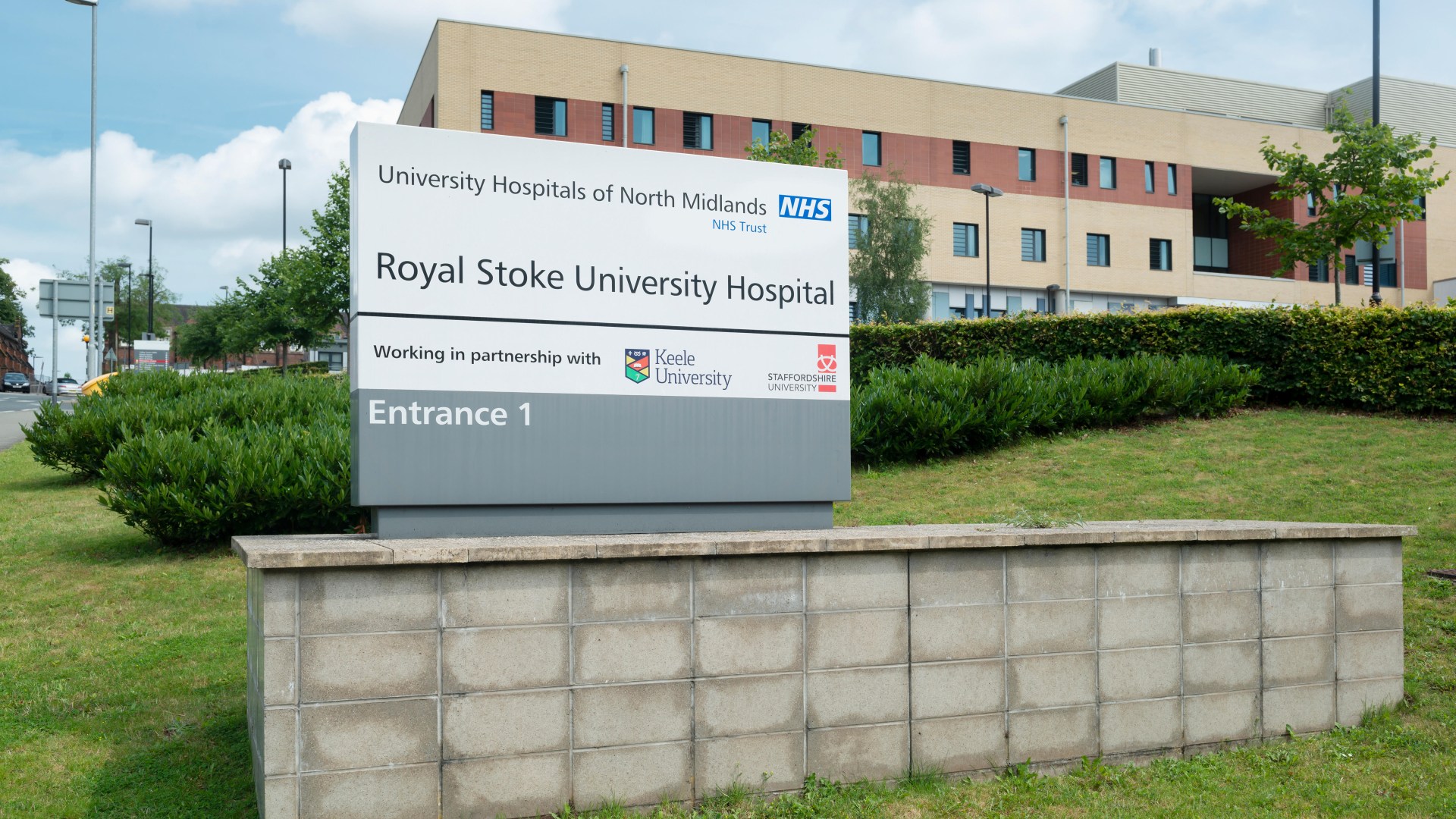
Royal Stoke University Hospital, for instance, has declared its eighth critical incident of the year, citing escalating pressure in its A&E department. Patients are facing significantly longer wait times, exceeding four hours in some instances, while the hospital struggles to discharge patients due to bed-blocking. The critical incident declaration extends to County Hospital in Stafford, reflecting a broader strain on the University Hospitals of North Midlands (UHNM) trust. UHNM attributes the crisis to a surge in patients requiring admission through the emergency department and an increasing number of patients awaiting community-based services. The trust has implemented measures to maintain safe services, including prioritizing the most critical patients, which inevitably leads to longer delays for others. A plea has been issued to the public to reserve A&E visits for genuine emergencies only.
Similar scenarios are unfolding across the UK, with hospitals in Wales also feeling the strain. The Royal Glamorgan, Prince Charles, and Princess of Wales hospitals, under the Cwm Taf Morgannwg University Health Board, have issued urgent warnings about exceptionally busy emergency departments and limited bed availability. They have echoed the call for public support in utilizing alternative healthcare options like minor injuries units, GPs, pharmacies, and the NHS 111 Wales symptom checker for non-urgent issues. The emphasis is on prioritizing the most serious cases in emergency departments, which may entail longer waits for those with less urgent conditions. While urging the public to access appropriate care pathways, they stress the importance of immediately contacting emergency services for life-threatening situations like strokes, severe bleeding, or major trauma.
The pressure is compounded by the rise in infectious winter illnesses, requiring isolation and further stretching limited resources. Noble’s Hospital on the Isle of Man has suspended visiting on two wards due to a significant increase in norovirus cases. Norovirus, often referred to as the winter vomiting bug, is highly contagious and has seen a sharp rise in recent weeks, with suspected cases more than double the five-year average. The hospital is providing updates to relatives and will inform the public when visiting restrictions are lifted.
The Royal Hampshire County Hospital and Basingstoke and North Hampshire Hospital have also declared critical incidents due to capacity constraints, reporting that they are unable to admit further patients. The bed shortages are attributed to high admission rates, a high number of infectious patients requiring isolation, and a low discharge rate. The hospitals have urged patients with non-urgent issues to seek alternative care options such as contacting 111, visiting a GP or pharmacy, or utilizing urgent treatment centers. The hospitals have also requested family members to assist in discharging patients to free up beds for those in acute need.
This widespread pressure on the NHS underscores the critical role of public awareness and responsible utilization of healthcare resources. The NHS 111 service is highlighted as a crucial resource for those unable to contact their GP or requiring urgent medical advice for non-life-threatening situations. A&E departments should be reserved for life-threatening emergencies such as loss of consciousness, seizures, chest pain, breathing difficulties, severe bleeding, allergic reactions, burns, strokes, and major trauma. Less severe injuries can be treated at urgent care centers or minor injuries units.
Underlying these immediate pressures is the seasonal surge in winter illnesses, significantly contributing to the strain on NHS resources. Flu cases requiring hospitalization have already surpassed last year’s peak, with a substantial number of hospital beds occupied by patients with flu and other festive bugs. Norovirus and respiratory syncytial virus (RSV) cases are also on the rise, further exacerbating the situation. These prevalent illnesses, coupled with the usual winter pressures, create a perfect storm for the NHS, leading to overcrowded hospitals and extended waiting times. The situation highlights the importance of preventative measures, such as vaccinations, and responsible healthcare-seeking behavior to alleviate pressure on the NHS during this demanding period.