

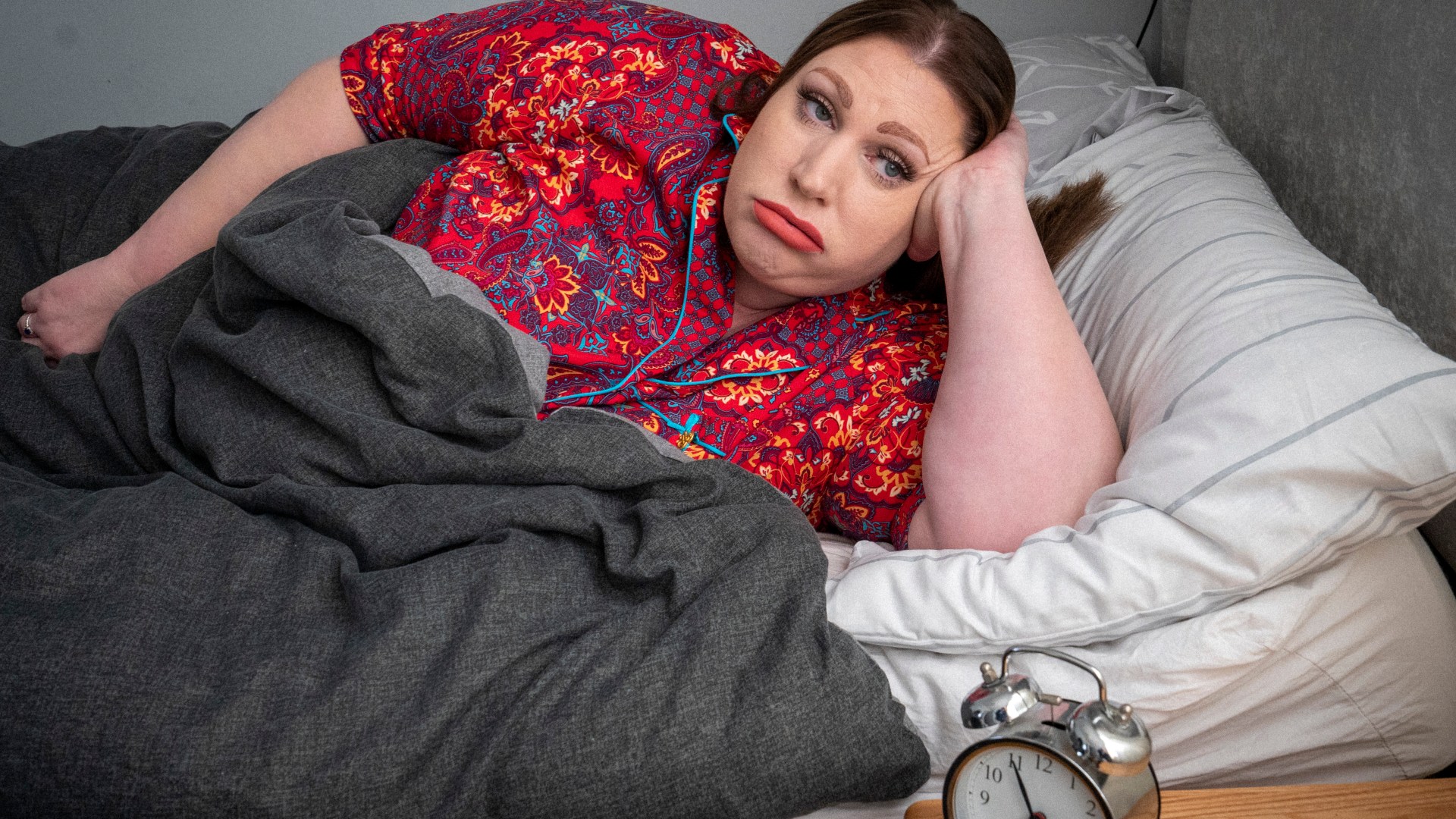
Lana Watson, a 40-year-old environmental health practitioner from Chichester, West Sussex, has battled insomnia for 11 years, enduring countless nights with minimal sleep. This chronic sleep deprivation has significantly impacted her life, affecting her job performance, straining relationships, and even jeopardizing her ability to drive safely due to exhaustion. Desperate for relief, Lana embarked on an eight-week experiment, testing a variety of sleep aids ranging from high-tech gadgets to traditional remedies. Her goal: to find a solution that could finally provide her with consistent, restorative sleep.
The first week saw Lana testing the Withings Sleep Analyzer, a sleep-tracking pad. While the device provided detailed insights into her sleep patterns, it offered little in the way of improvement. Lana found the information more frustrating than helpful, highlighting the inadequacy of her sleep without offering a solution. The pad also proved impractical for Lana’s insomnia-induced restlessness, as it requires remaining in bed throughout the night to accurately track sleep data. Week two brought a more positive experience with the I Love Wellness Sleep Pillow Mist. The lavender-scented spray created a calming atmosphere in her bedroom, reducing her anxiety and promoting relaxation. While it didn’t induce sleep immediately, Lana appreciated the calming effect and considered it a valuable addition to her bedtime routine.
Week three’s trial of Grass & Co. Ease CBD Body Oil proved less successful. Though Lana experienced a decent quality of sleep, she found the oil greasy and disliked its unusual scent. Moreover, the oil stained her bedsheets, a drawback not mentioned on the product packaging. Week four was equally disappointing with the BetterYou Lights Out Daily Oral Spray. The synthetic taste proved unpleasant, leaving Lana feeling agitated rather than soothed. She observed no improvement in her sleep and deemed the product ineffective. The tide turned in week five with the Calm app, which Lana rated highly. The app offered a variety of sleep stories narrated by celebrities like Harry Styles and Idris Elba, along with soothing sounds and music. The accessibility and portability of the app, coupled with the engaging narratives, helped Lana relax and drift off to sleep, making it a clear winner in her experiment.
The following weeks offered mixed results. The Withings Watch, tested in week six, tracked Lana’s sleep effectively but proved uncomfortable to wear at night. The constant reminder of her sleep struggles, coupled with the discomfort of the watch strap, increased her anxiety rather than alleviating it. A traditional remedy, warm milk, was trialed in week seven. While relaxing, the milk caused nighttime bathroom trips, disrupting Lana’s sleep rather than promoting it. Finally, week eight introduced the Morphee, a device offering meditations and sleep sounds. While Lana appreciated the content, the device’s wired headphone requirement proved impractical, limiting her movement and making it unsuitable for sharing with a partner. Lana’s journey through the world of sleep aids underscores the complexities of insomnia and the highly individualized nature of effective solutions. While some products provided temporary relief or relaxation, the Calm app emerged as the clear winner, offering a practical, accessible, and engaging approach to promoting sleep. Her experience highlights the importance of exploring various options and finding the method that best addresses individual needs and preferences in the ongoing quest for better sleep.