


In September 2023, 29-year-old Ben Tarver’s life took a dramatic turn after a disturbing night terror. Waking up in the middle of the night, Ben described the experience to his partner, Liam Nougher, as being “inside the dream,” a sensation far more distressing than a typical nightmare. The initial incident sparked a chain reaction of increasingly alarming symptoms. Ben began experiencing debilitating panic attacks, persistent headaches, and vivid hallucinations. Despite seeking medical attention, doctors initially struggled to pinpoint the cause of his deteriorating condition. The unexplained seizures that followed further intensified the mystery surrounding Ben’s illness.
Weeks passed with Ben’s condition worsening. He endured a relentless barrage of panic attacks, sometimes experiencing up to twelve in a single day. The seizures grew more severe, marked by loss of consciousness, spasming, and frothing at the mouth. Liam, witnessing Ben’s frightening decline, repeatedly sought medical assistance, but initial tests, including CT scans, revealed nothing abnormal. Doctors offered little concrete advice beyond contacting their GP after each seizure and assuring them paramedics would be available to stabilize Ben during future episodes.
Ben’s symptoms continued to escalate, encompassing both auditory and visual hallucinations. His seizures increased in frequency and intensity. One particularly violent episode sent his heart rate soaring to over 200 beats per minute, prompting an emergency hospital admission. At the William Harvey Hospital, medical staff worked tirelessly to stabilize Ben, performing a cardioversion to restore his erratic heartbeat to a normal rhythm. His condition remained precarious, requiring continuous monitoring and the attention of specialists in psychiatry, cardiology, and neurology.
During his nine-day hospital stay, Ben’s mental state deteriorated dramatically. He became increasingly paranoid, exhibiting aggressive behavior and attempting to escape from the hospital. Liam remained constantly by his side, vigilantly preventing further escape attempts. Doctors experimented with various medications in an effort to manage Ben’s perplexing symptoms. After a brief period of stability, during which he remained seizure-free for three days, Ben was discharged. However, the respite was short-lived. That very night, he experienced another severe episode, dashing hopes of a swift recovery.
Following this relapse, Ben was transferred to Kent and Canterbury Hospital, where, after weeks of uncertainty, he finally received a diagnosis: Anti-NMDA Receptor Encephalitis. This rare autoimmune disease, affecting only one in 1.5 million people, causes the body’s own antibodies to attack the NMDA receptors in the brain, leading to inflammation and swelling. While the condition is often associated with tumors, particularly ovarian tumors, extensive testing failed to reveal any such growth in Ben’s body. The diagnosis brought a name to Ben’s suffering but also highlighted the complexity and rarity of his condition, further complicating the path to recovery.
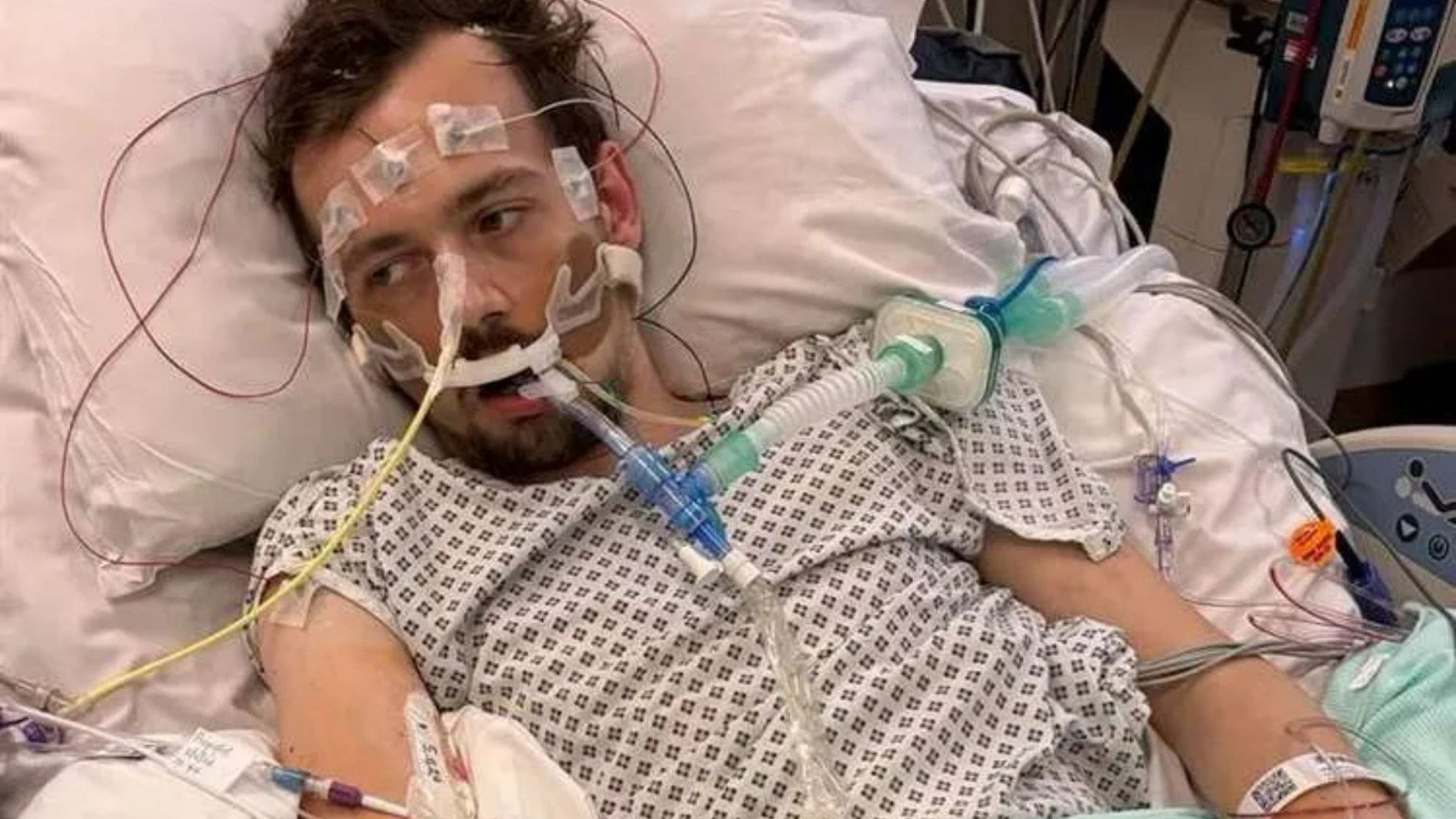
The diagnosis prompted another transfer, this time to the Intensive Care Unit at King’s College Hospital in London. Ben’s strong immune system, which typically would be a benefit, was working against him in this instance, continuing to produce the harmful antibodies. Liam, faced with the ongoing emotional and financial strain of daily travel from Folkestone to London, received support from his mother, who launched a GoFundMe campaign. The campaign aimed to alleviate the financial burdens of travel and accommodation, allowing Liam to remain a steadfast presence by Ben’s side during this uncertain and challenging period. The campaign also sought to raise awareness of this rare and devastating illness, a condition that can strike anyone, regardless of age, and drastically alter the course of their lives.