





The Fall of a Dynasty: Assad’s Alleged Escape and the Rebel Claim of Victory in Syria
News reports emerging from Syria paint a picture of a nation in the throes of a dramatic power shift, with rebel forces claiming to have ousted President Bashar al-Assad, ending his family’s decades-long rule. This declaration follows reports that Assad fled the capital, Damascus, by plane to an undisclosed location early Sunday morning. According to senior army sources and flight tracking data, Assad’s plane initially headed towards the Syrian coast, a region known for its support of the president, before abruptly changing course and disappearing from radar. While the exact destination and passengers remain unconfirmed, rumors of a plane crash have surfaced, adding further intrigue to the unfolding situation.
Jubilation and Uncertainty: Scenes from a Nation on the Brink of Change
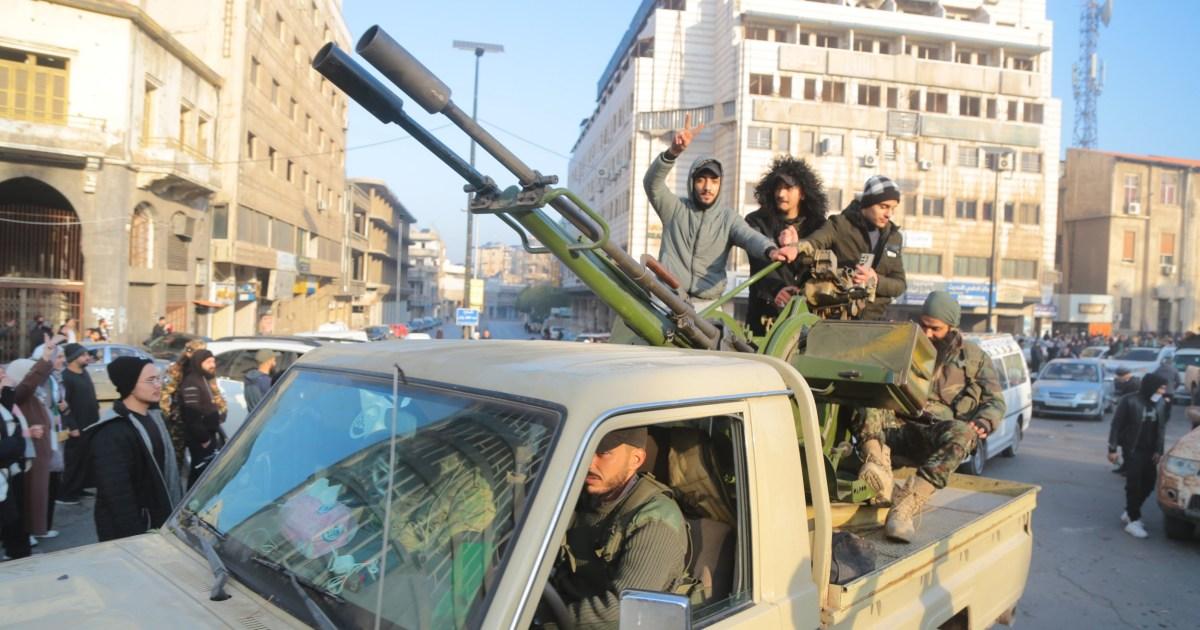
The reported fall of Assad has sparked jubilant celebrations across Syria, particularly in Homs, the country’s third-largest city, which saw rebel forces entering overnight. Images and videos depict crowds rejoicing in the streets, expressing relief and hope after years of conflict. The scenes of jubilation are juxtaposed with the uncertainty surrounding the future of Syria’s governance. Prime Minister Mohammad Ghazi al-Jalali’s call for free elections signals a potential path towards a democratic transition, echoing the aspirations of many Syrians eager to choose their own leaders. Meanwhile, at the Syria-Lebanon border, crowds of Syrian refugees, who had fled the country after the outbreak of the civil war in 2011, gather with anticipation, waiting for an opportunity to return home.
The Long Road Ahead: Challenges and Opportunities in Post-Assad Syria
While the rebel claim of victory marks a significant turning point, the path ahead remains fraught with challenges. The complex political landscape, fragmented rebel groups, and potential for continued violence necessitate a comprehensive and inclusive approach to rebuilding the nation. The need for a stable and legitimate government, capable of addressing the humanitarian crisis, rebuilding infrastructure, and fostering reconciliation, is paramount. Free and fair elections, as proposed by the Prime Minister, could serve as a crucial first step towards establishing a democratic and representative government, reflecting the will of the Syrian people.
The Future of Governance: Towards a Democratic and Inclusive Syria
The success of a democratic transition in Syria hinges on several critical factors. Foremost is the need for a unified and cohesive approach among the various rebel groups, ensuring that they work together to build a shared vision for the country’s future. International support, both financial and political, will be crucial in facilitating the transition, providing necessary resources for reconstruction and promoting dialogue among the diverse stakeholders. Addressing the needs of the displaced populations and facilitating their safe return and reintegration into society will be essential for fostering stability and social cohesion.
Reconciliation and Rebuilding: Healing the Wounds of a Divided Nation
Rebuilding Syria will require a concerted effort to address the deep-seated divisions and grievances that fueled the conflict. Promoting reconciliation among different ethnic and religious groups, addressing past injustices, and fostering a culture of inclusivity are crucial steps towards healing the wounds of the past and building a stronger, more unified nation. Establishing mechanisms for accountability and justice, addressing human rights violations, and ensuring that all citizens have equal rights and opportunities will be vital for building trust and promoting social cohesion.
The International Community’s Role: Supporting a Peaceful and Democratic Transition
The international community has a crucial role to play in supporting a peaceful and democratic transition in Syria. Providing humanitarian assistance to those affected by the conflict, supporting the establishment of democratic institutions, promoting dialogue among the various political factions, and ensuring that those responsible for human rights violations are held accountable are all essential components of a comprehensive international strategy for Syria. The success of the transition will require sustained commitment and collaboration among international actors, working in partnership with the Syrian people to build a more stable, just, and democratic future.