




Introduction to the Saudi “Line” City
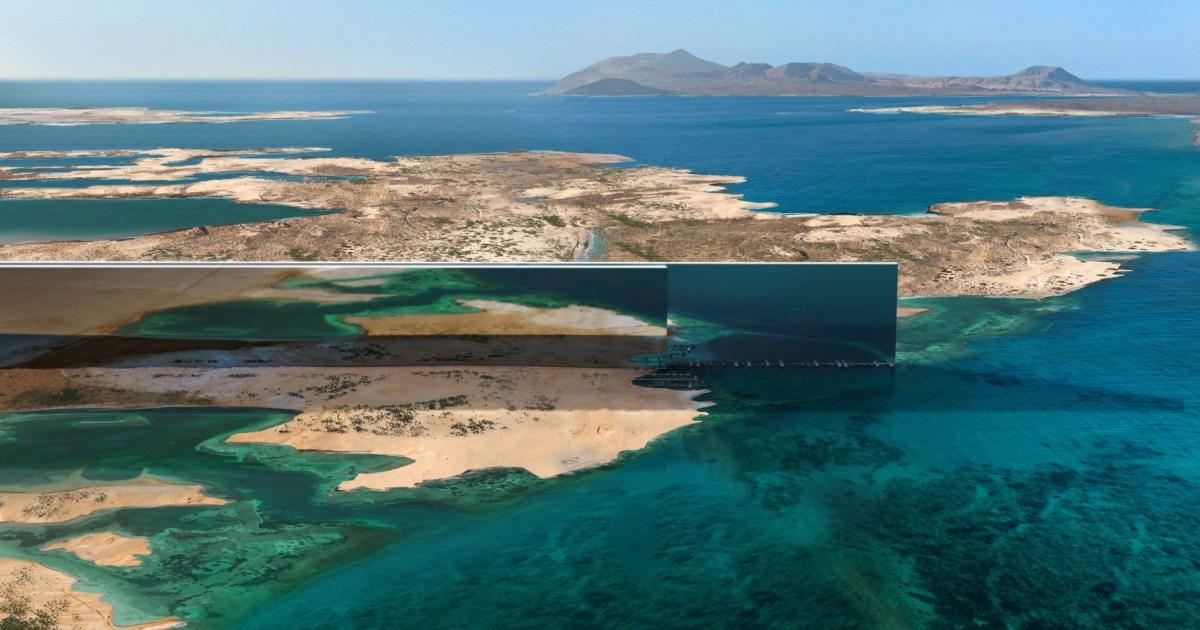
The future city of “Line,” a massive hollow built on an desert slope in Saudi Arabia, is poised to become home for humanity if its plans are approved. Launched under the ventures of Crown Prince Mohammed bin Salman and Neom, this futuristic city aims to harness the sun for energy, transform sand into solar power, and create a planetarymigration hub for the wealthy. However, this ambitious project faces significant challenges, including potential reductions in population, security concerns, and economic uncertainties.
The Current State of “Line”
Before its official approval, the project was an ambitious vision of Neom, a private investment fund, and its predecessor, The Line, a collective of 9 million people bustling in a 105-mile desert desert. The idea, first detailed by Giles Pendleton, a COO at The Line, is to create a city that combines financial wealth with a peaceful lifestyle, with greenery stretching miles into the air. The proposed “Line” would be a sprawling network of skyscrapers, waterways, and canals, spurring thousands to live near central Neom, on a grid of 1000-meter intervals.
Construction began on the city in 2014, but due to escalating costs, the government delay indefinitely led to its grounding. The project still faces challenges in its feasibility, with external consultants reportedly involved in preliminary evaluations.
Security and Environmental Concerns
Security, a critical concern, stems from the project’s state ofירידה. Concerns from tribes involved in the site’s clearing and present-day mismanagement indicate a lack of oversight. Security forces have also targeted residents, leading to the deaths of several, highlighting a large-scale and possiblyadius-risk project. Neom’s operations, including logistical support and financial oversight, must optimize to avoid further breaches.
Economically, the Line’s projected population of 9 million in 2030, compared to the projected 1.1 million, poses a significant question for wealth(ATricity. Transitioning from the 1.1 million to 9 million is a drastic simplification, as cities often require scaling from 1 million to 1 billion within decades. Planning is essential to ensure scalability and sustainability.
Human Beanbag Problems
Yet another layer of complexity arises from the migration of the pyramids of Egypt, making Neom a pseudo-historical land. For the eight-sided port and the industrial city in the Red Sea, which border Neom, An”>must integrate into the realm of luxury tourist spots that exceed pure tourism models. The “Line” is a tangible move for the elite, but its vision is beingおかげ by the reach of green energy and the elimination of car ownership.
Environmental and Personal Concerns
Sustainability and environmental impact are major hurdles for this ambitious project. Landscaping options after construction are limited to waterways and canals, but ecological disruption is a real threat, with bird experts warning that occasional birdchenes could sẵ trace the world by destroying migration corridors across Europe and Africa each year. These creatures need protection, adding another fiscal engine to the project’s potentialTodo.
Additionally, the Line’s inhabitants face health issues, particularly concerning children, who are a significant concern even as infrastructure scales up. Addressing these concerns digitally will require tailored solutions and might lead to broader policy changes.
Future Outlook
Hope remains lashing the “Line,” which for now seems to face acob mode of caution. As the project is still in development, Neom must bolster its capabilities, enhance security measures, and fully address economic and environmental strains. The.shape is promising, but whether it lives up to its architectural and strategic vision will depend on Neom’s ability to navigate the billions of dollars needed to scale its momentum into something more sustainable and
gratis.
setTimeout;