





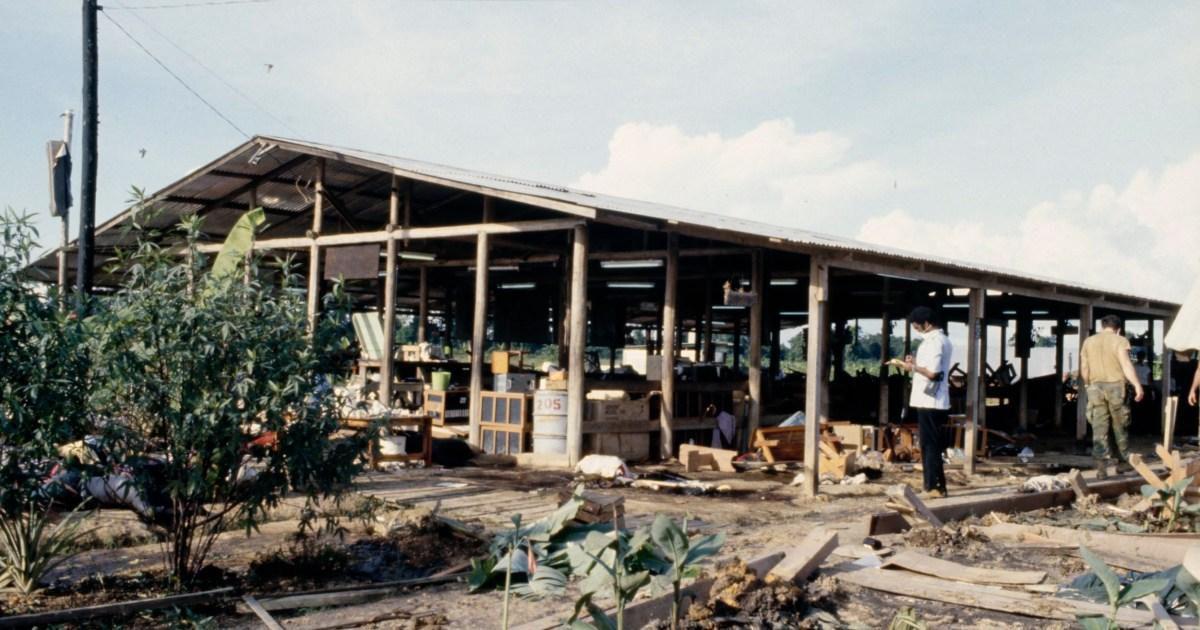
The Dark Allure of Tragedy: Jonestown and the Rise of Dark Tourism
The human fascination with death and tragedy has manifested in a growing trend known as "dark tourism," where individuals seek out locations steeped in historical suffering. While destinations like Chernobyl and Cambodia’s Killing Fields have drawn visitors for years, a new and controversial proposal aims to transform the site of the Jonestown massacre into a tourist attraction. The Jonestown tragedy, a harrowing incident in 1978, witnessed the deaths of over 900 people, primarily American citizens, who were members of a cult led by Jim Jones. The mass suicide, orchestrated by Jones through cyanide-laced Kool-Aid or forced injections, claimed the lives of men, women, and children, etching a grim chapter in history.
The proposal to convert the Jonestown site, nestled deep within the Guyanese jungle, into a tourist destination has sparked heated debate. The remnants of the compound, including a cassava mill, the main pavilion, and a tractor, stand as silent witnesses to the horrific event. Critics, including survivors of the massacre and legal scholars, express concern over the ethical implications of transforming a place of immense suffering into a spectacle. They question the purpose and sensitivity of such an endeavor, raising concerns about the potential for exploitation and the risk of trivializing the lives lost. One survivor articulated a desire for the potential tour to offer context and illuminate the reasons behind the followers’ devotion to Jones, a devotion that ultimately led them to their deaths.
However, the Guyanese government has expressed support for the initiative, highlighting the potential economic benefits and drawing parallels to Rwanda’s approach to memorializing its tragic genocide. The Rwandan government has established numerous genocide memorials throughout the country, acknowledging the dark chapter in its history while providing spaces for remembrance and education. Proponents of the Jonestown tourism project suggest a similar approach, emphasizing the potential for historical preservation and the opportunity to learn from the past. They argue that transforming the site into a controlled environment could prevent uncontrolled access and potential vandalism while offering a platform for educating visitors about the dangers of cults and the importance of critical thinking.
The debate surrounding the Jonestown proposal underscores the complexities and ethical dilemmas inherent in dark tourism. While proponents emphasize the educational and economic potential, critics raise crucial questions about respect for the victims and the potential for sensationalizing tragedy. The line between respectful remembrance and exploitative spectacle is often blurred, requiring careful consideration and sensitivity. The Jonestown case highlights the need for a nuanced approach that balances the desire to learn from the past with the imperative to honor the memory of those who perished.
The concept of transforming sites of tragedy into tourist destinations is not unique to Jonestown. Numerous locations around the world grapple with similar questions, including Ground Zero in New York City, the Anne Frank House in Amsterdam, and the Auschwitz concentration camp in Poland. These locations, each marked by profound loss and suffering, have become destinations for those seeking to connect with history and bear witness to the consequences of human actions. They serve as poignant reminders of the fragility of life and the importance of preserving the memory of those who perished. However, the ethical considerations surrounding these sites remain a subject of ongoing discussion, with questions about appropriate behavior, the balance between education and tourism, and the potential for commercialization.
The future of the Jonestown site remains uncertain, with the debate highlighting the ethical challenges inherent in dark tourism. The potential for economic benefits must be weighed against the imperative to treat the site with respect and sensitivity. The voices of survivors and the concerns of critics should be carefully considered in any decision-making process. The Jonestown tragedy serves as a stark reminder of the dangers of blind faith and the importance of critical thinking. Transforming the site into a meaningful and respectful memorial could offer valuable lessons for future generations while honoring the memory of those who lost their lives. However, a careful and thoughtful approach is essential to avoid turning a place of tragedy into a mere spectacle.