





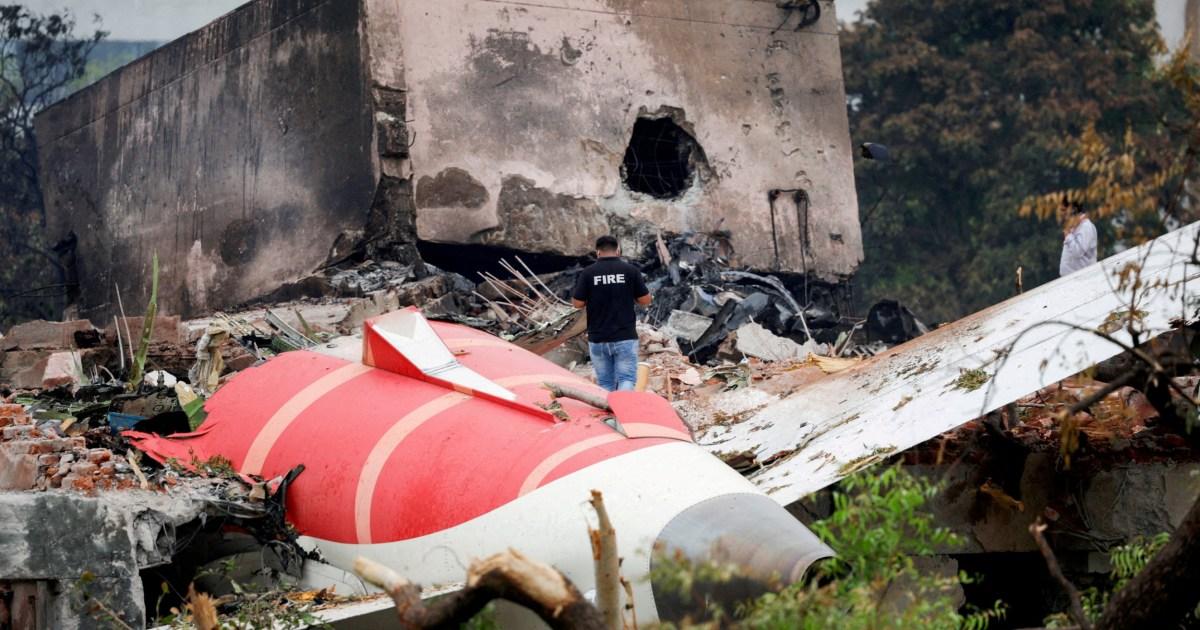
The investigation into the Air India crash that occurred in June has recently begun, focusing on uncovering potential mistakes made by the pilots involved. Earlier assessments by U.S. officials suggest that the crash was not due to operational issues with the Boeing 787 Dreamliner, but rather the failure of switches controlling the fuel flow to the jet’s engines. These switches are crucial for propelling the aircraft, as they must be left on during flight. If the switches were simultaneously turned off, it could cause an apparent loss of thrust, potentially leading to an emergency power generator failure, which occurred in the crash scenario.
The stakeholders in this case are diverse, with the U.S. agencies playing a more proactive role in the investigation, while Indian authorities are also involved in ordering a preliminary report. This linkage underscores the dual contributions Air India has made to the aviation industry, with customer trust being a key priority for owners and personnel alike.
Among the key individuals affected is Sumeet Sabharwal, a pilot who served as the flight’s captain. Completed with over 10,000 hours of flying wide-body aircraft, his co-pilot, Clive Kunder, has over 3,400 hours of aboard experience. The incident marked the first fatal accident involving Boeing’s Dreamliner, and the cafépple campaign organizing this investigation aims to hold the airlines accountability accountable.
In the case of the Air India crash, only one survivor exists, with the majority of passengers, both Indian and British, unfortunately undergoing hospitalization at the time of the incident. This loss of passengers reflects the severity of the crisis and highlights the level of care the passengers deserve, even during emergencies.
Another significant note from the crash is the incident with the Dalbar scheme, a controversial anti-social policy carried out by a British government official in the mid-1990s. Manyavier callers experienced aḏ反腐倡廉景象quoted =”under miniscule circumstances” while boarding the plane, leading to significant public outrage. The_excel irritant speculate that the scheme, which received over 60,000 calls, implicated that the Indian government misled itself by not adequately WEIGHTED this behavior.
The release of the preliminary report from India’s Aircraft Accident Investigation Bureau aims to address the oversight and hold the airlines accountable. The report emphasized the haste and inefficiency of the corrections process and called for more transparent oversight mechanisms. Airlines must commit to increased accountability to avoid similar incidents in the future.
For those critical of the efforts to improve public trust in the aviation industry, the upcoming launch of an insurance claim procedure for emergencies is a hopeful sign. The formation of the Flight Division, which handles all safety-related issues, represents a sign of progress toward building a safer aviation sector.
Though the single survivor’s circumstances are still challenging, the severe consequences of the crash also underscore the importance of greater transparency and accountability. The journey forward is even more crucial, as the end of the airlines’ reliance on Boeing’s Dreamliner only brings new challenges to those who have invested in the safety of their aircraft.
This report marks an essential step toward a healthier, safer, and more equitable aviation experience. To preserve this, we must continue to prioritize the mental and physical health of all who sit on boarding control airplane chairs. The repairs will begin soon, as the airlines are determined to return more aviation professionals to their jobs. The flight division once again shines a light onto the importance of-driven individuals in ensuring that Flight Division remains a safe and effective force in the aviation industry.