




Asco’s Extravagant Return: From Prison to Rolls-Royces
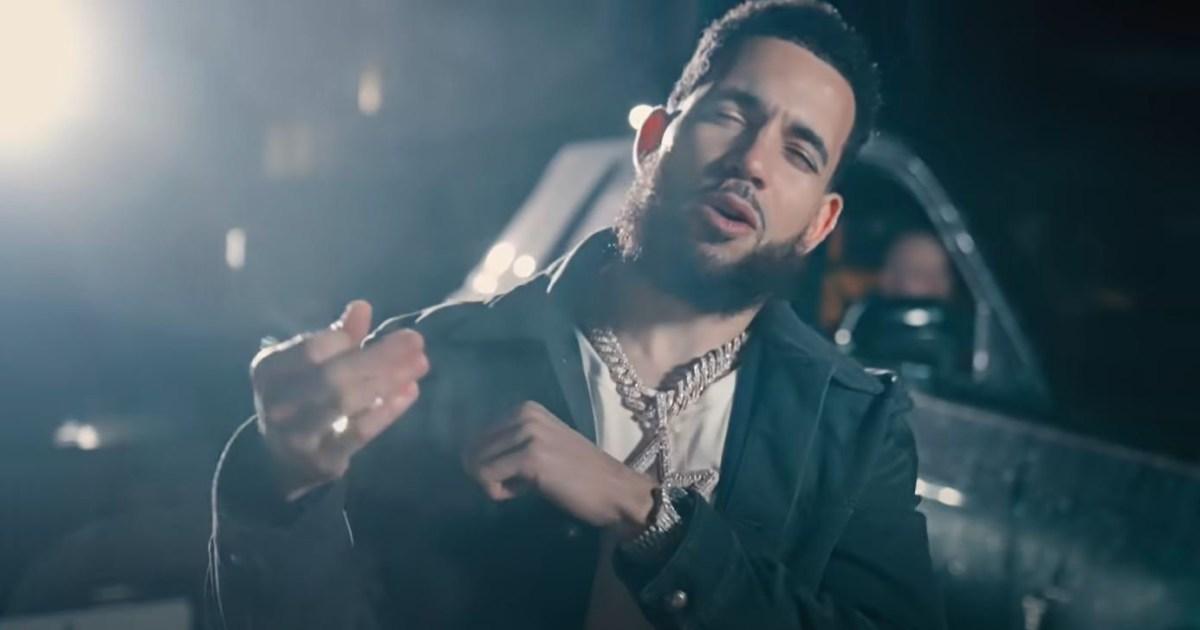
Asfa Allen, the London-based rapper known as Asco, has made a flamboyant return to the music scene after his early release from a 12-year prison sentence for drug trafficking. His homecoming, documented in a lavishly produced music video for his new track, "Straight Drop 5," showcases a millionaire lifestyle replete with luxury cars, designer clothing, and an entourage celebrating his newfound freedom. The video opens with Asco arriving at a party in a convoy of black Rolls-Royces, each bearing a single letter spelling out his nickname, "Mulli." This extravagant display, including a £430,000 Phantom with a personalized plate, sets the tone for a narrative that juxtaposes his recent incarceration with his current opulent lifestyle. The video also includes glimpses of prisons where he served time, a stark reminder of his past, while simultaneously highlighting the stark contrast with his present circumstances.
Asco’s lyrics in "Straight Drop 5" reflect on his experiences both inside and outside of prison walls. He addresses the challenges he’s faced, including betrayals and rumors, but asserts his resilience and ability to accumulate wealth despite these obstacles. While enjoying the lavish party, surrounded by bottles of Moët & Chandon and sporting expensive jewelry, Asco wears a T-shirt bearing the names of "lifers" still incarcerated, acknowledging their continued hardship while celebrating his own release. The presence of masked men guarding the Rolls-Royces adds a layer of security and sends a clear message of dominance and protection. His lyrics, delivered while smoking what appears to be a spliff, refer to his time in prison as a “six-year tour,” a metaphor minimizing his sentence while acknowledging the harsher realities faced by those serving life sentences.
From County Lines Kingpin to Promising Artist: Asco’s Double Life
Before his rise to fame, Asco, then 37 years old, led a double life. While pursuing his music career, he simultaneously headed a county lines drug operation, distributing heroin and crack cocaine from London to Colchester, Essex, earning up to £1,500 a day. This illicit activity eventually caught up with him, leading to his 2019 conviction and a 12-and-a-half-year prison sentence. However, he benefited from a government scheme aimed at reducing prison overcrowding, allowing for his early release in October 2024. This early release program, designed to alleviate pressure on the prison system, reduced certain sentences, including Asco’s, making him eligible for freedom sooner than anticipated.
Asco’s arrest and subsequent conviction interrupted a promising music career. He had signed a lucrative deal with Warner Bros in 2018, potentially worth up to £1 million. The police investigation that led to his downfall involved raids on 15 properties across London and surrounding areas, uncovering £25,000 in cash, half a kilogram of heroin, luxury goods, and vehicles. During his sentencing, the judge acknowledged Asco’s musical talent but emphasized the severity of his crimes, highlighting his lavish lifestyle funded by drug dealing and his continued involvement in the operation even after his music career gained traction. Despite purchases of expensive jewelry and a reported loss of £50,000 worth of jewelry during a trip to Dubai, Asco was deemed the head of the "Bobby line," profiting substantially from the daily drug sales.
A Second Chance: Asco’s Return to Music and the Debate Surrounding Early Release
Asco’s release has sparked excitement in the urban music scene, with figures like BBC Radio 1 DJ Tiffany Calver publicly welcoming his return. His release coincided with the second phase of the government’s early release program, implemented to address the critical overcrowding in prisons. Justice Secretary Shabana Mahmood justified the measure as necessary to prevent a "collapse of the criminal justice system." This second wave of releases, targeting individuals serving sentences of five years or more, aimed to create approximately 5,500 prison spaces and alleviate the strain on the system, allowing for the continued incarceration of dangerous criminals. The scheme, however, excluded individuals convicted of sexual and violent offences.
The Ministry of Justice defended the early release program as a necessary measure to avert a crisis within the criminal justice system, arguing that without intervention, the system would be unable to effectively manage dangerous criminals, jeopardizing public safety. This justification underscored the dire state of the prison system and the urgent need for reform. While Asco’s early release has provided him a second chance to pursue his music career, it also raises questions about the balance between public safety and addressing prison overcrowding.
Asco’s Musical Identity: Beyond Trap and Drill
Asco seeks to portray himself as a multifaceted artist, distancing himself from being solely identified as a trap or drill rapper. In previous interviews, he emphasized the depth and substance within his music, highlighting themes of religion and personal beliefs. He stressed the importance of Islam in his life and his desire to showcase different dimensions of his personality and artistry through his music. This effort to present a more nuanced image suggests a desire to move beyond the stereotypes associated with certain genres and to be recognized for his broader artistic expression. His latest release, "Straight Drop 5," while celebrating his newfound freedom and material wealth, also offers glimpses into this deeper side, showcasing his reflections on his past and his awareness of the struggles faced by those still incarcerated.
The Controversy and the Future: Navigating the Aftermath of Early Release
Asco’s return has been met with both excitement and controversy, highlighting the complexities surrounding early release programs and their impact on public perception. While some celebrate his return to music, others question the message sent by his extravagant portrayal of wealth acquired through illicit means. The debate surrounding his release mirrors larger discussions about criminal justice reform and the challenges of reintegrating former offenders into society. As Asco embarks on this new chapter, he faces the challenge of navigating the complexities of his past and building a future that transcends the controversy surrounding his early release. His musical journey, inextricably linked to his criminal history, will continue to be scrutinized as he seeks to establish himself as a legitimate artist and redefine his public image.