





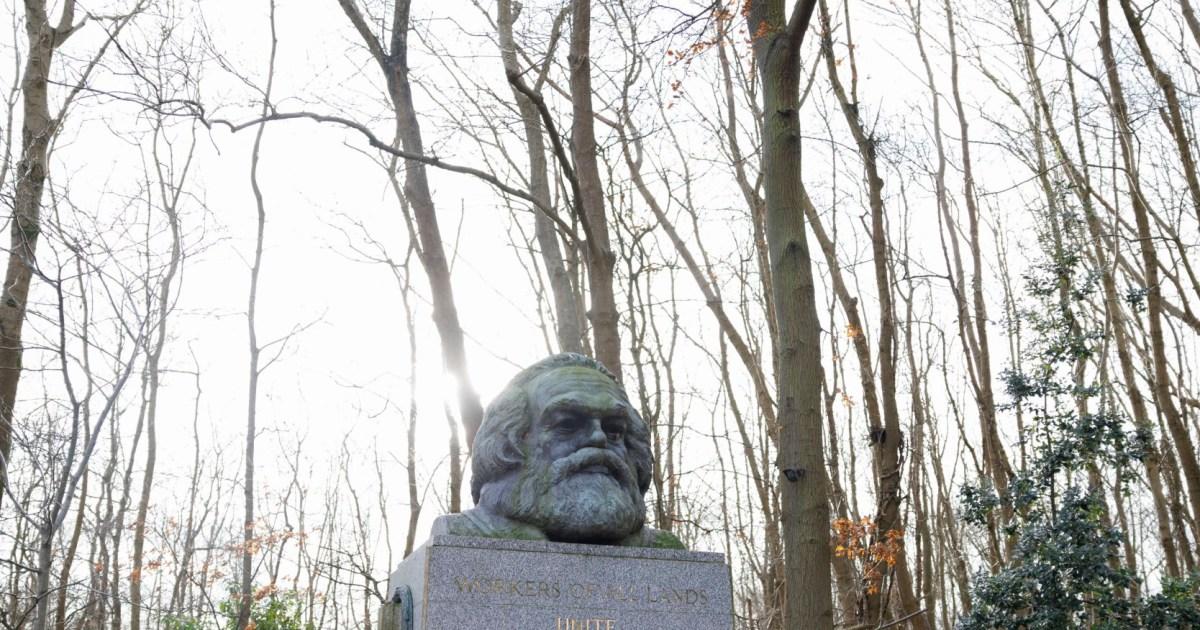
Highgate Cemetery, the final resting place of notable figures like Karl Marx and George Michael, faces a significant challenge: ash dieback. This fungal disease, threatening up to 80% of ash trees across the UK, has already caused tree falls within the cemetery and necessitates the removal of many more. The graves of both Marx and Michael are situated in areas vulnerable to falling ash trees, raising concerns about potential damage. This precarious situation has spurred the Friends of Highgate Cemetery Trust to propose an £18 million redevelopment plan, aimed at mitigating the risks posed by ash dieback and enhancing the cemetery’s overall condition.
The ambitious redevelopment plan encompasses several key aspects. Crucially, it addresses the urgent issue of ash dieback by facilitating the removal of diseased trees and implementing measures to prevent further spread. Beyond this, the plan envisions improved infrastructure, including a new gardeners’ building, and enhanced educational resources for visitors and school groups. The Trust emphasizes that the redevelopment prioritizes preserving the cemetery’s historical and cultural significance, ensuring its long-term viability for the benefit of the community. The majority of the funding will come from the Trust’s own reserves, with the remaining £7 million sought from The National Lottery Heritage Fund. The Trust maintains that the project is not a profit-making endeavor but rather a necessary investment in the cemetery’s future.
Public reaction to the proposed redevelopment has been mixed. Some visitors, like Barbara Walker, advocate for preserving the cemetery’s existing state, arguing that its historical integrity should remain untouched. She believes that funds should be directed towards maintaining graves and existing infrastructure rather than large-scale modernization. Others, like Janka, a visitor interested in Marxism, express skepticism about the project’s substantial cost. She suggests that international communist organizations could contribute to preserving Marx’s grave and questions the necessity of spending millions to protect it from natural events like falling trees. Her companion, Bean, echoes this sentiment, suggesting that the cemetery is already aesthetically pleasing and that the funds could be better allocated elsewhere. He even proposes the intriguing notion of photographing Marx’s headstone if it were to be damaged by a falling tree, suggesting a certain acceptance of the natural course of events.
However, not all visitors oppose the redevelopment. The McPhillips family, visiting from Cumbria, appreciate the need for improvements, particularly concerning safety and accessibility. They acknowledge the historical significance of the cemetery and the importance of maintaining it for future generations. Sarah McPhillips, in particular, emphasizes the need to maintain the grounds without adding unnecessary amenities. Meanwhile, Belgian tourists Geert and Kristiene express astonishment at the proposed expenditure, suggesting that the funds could be better utilized for essential services like hospitals. They believe that the risks posed by falling trees are acceptable and that the money could be better spent elsewhere. This diverse range of opinions highlights the complex considerations surrounding the redevelopment project.
Beyond the cemetery walls, the proposed redevelopment also impacts the neighboring Holly Lodge estate. Some residents, unfamiliar with the plans, express concerns about potential disruption, noise, and mess. They question the necessity of such extensive work. Conversely, Antonia Pereira, the estate manager, praises the Trust’s communication and community outreach efforts. She views the potential disruption as a minor inconvenience compared to the long-term benefits of the project. She believes the Trust has effectively engaged with the local community and that the redevelopment is necessary for the cemetery’s preservation. This localized perspective adds another layer to the debate, highlighting the importance of community engagement in such projects.
The Friends of Highgate Cemetery Trust maintains that the redevelopment is essential for the long-term preservation of this significant historical site. They emphasize that the project addresses critical issues like ash dieback and improves infrastructure while respecting the cemetery’s unique character. Leighann Heron, the project director, stresses the Trust’s commitment to consulting with the local community and minimizing disruption. She highlights the broader benefits of the project, including improved drainage and biodiversity, which extend beyond the cemetery’s boundaries. The Trust’s commitment to community engagement and its emphasis on the project’s long-term benefits aim to address the concerns raised by residents and visitors alike, ultimately striving for a balance between preservation and progress. The ongoing dialogue between the Trust, visitors, and local residents underscores the complexities of managing a historically significant site while adapting to contemporary challenges. The proposed redevelopment of Highgate Cemetery stands as a case study in navigating the delicate balance between preserving the past and securing the future.