





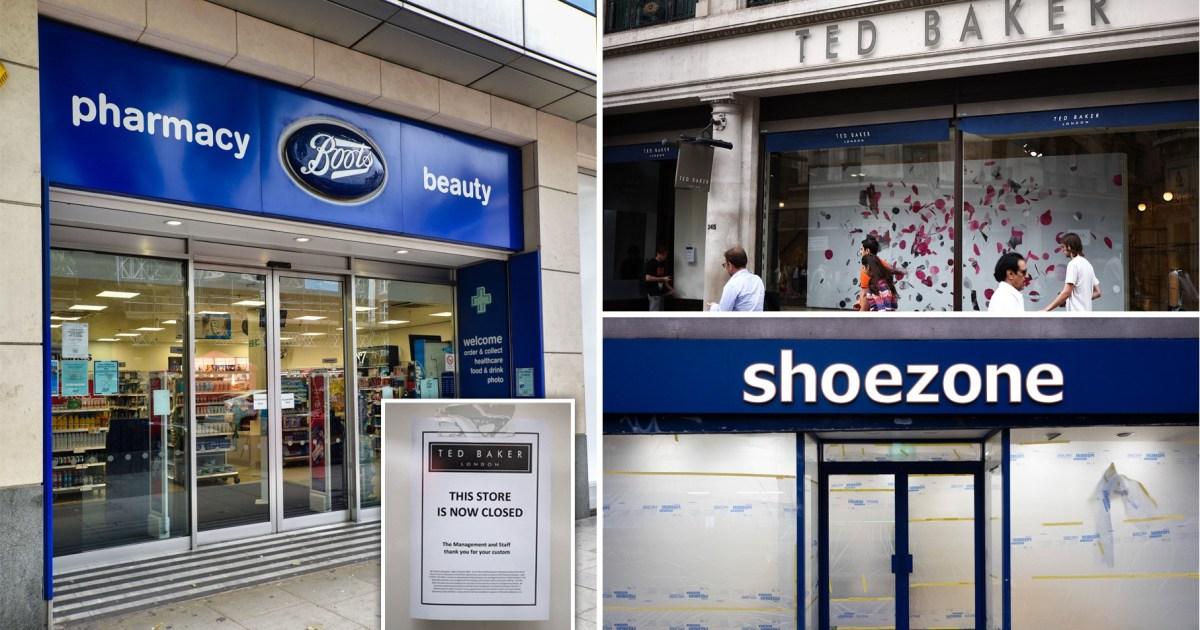
The UK high street experienced a significant downturn in 2024, witnessing the closure of over 13,000 retail stores, a stark increase of 28% compared to 2023. This translates to an average of 37 shops shutting down every single day, painting a bleak picture of the challenges facing brick-and-mortar retail. The closures affected businesses of all sizes, from small independent stores to large retail chains. Independent businesses bore the brunt of the impact, accounting for approximately 11,300 closures. This vulnerability stems from the withdrawal of financial support measures, such as Covid-era grants and schemes, which had served as a lifeline during the pandemic. Larger retail chains also faced considerable pressure, with over 2,000 closures attributed to insolvency proceedings, cost-cutting measures, and changing consumer behavior.
The retail landscape in 2024 was marked by a confluence of factors that contributed to the widespread closures. The lingering effects of the pandemic, coupled with the rising cost of living, squeezed household budgets and dampened consumer spending. Inflationary pressures further eroded consumer purchasing power, making it increasingly difficult for retailers to maintain profitability. The shift towards online shopping, accelerated by the pandemic, continued to challenge traditional brick-and-mortar stores, as consumers embraced the convenience and wider selection offered by e-commerce platforms. This digital transformation forced retailers to adapt and invest in online presence, often at the expense of physical stores.
The closure of prominent retail chains, including Ted Baker, Homebase, and Carpetright, underscored the severity of the retail downturn. These closures were often linked to insolvency proceedings, reflecting the financial struggles faced by businesses in a challenging economic environment. Even established retailers like Boots and Shoe Zone implemented store closures as part of cost-saving measures, indicating the widespread nature of the challenges. The job losses resulting from these closures and downsizing efforts were significant, with an estimated 170,000 retail workers losing their jobs in 2024. This had a ripple effect on local economies, as communities grappled with the loss of employment opportunities and reduced consumer spending.
Experts predict a further deterioration of the high street in 2025, with the Centre for Retail Research forecasting an even higher number of store closures. The anticipated increase in national insurance contributions and the rising national minimum wage, set to take effect in April 2025, are expected to further strain businesses already grappling with rising costs. Changes to business rates, including a reduction in the discount from 75% to 40%, are projected to significantly increase the financial burden on retailers. This combination of rising costs and reduced financial support is expected to create a perfect storm for the high street, pushing more businesses towards closure.
The reduction in business rate relief has drawn criticism, with some arguing that it is a counterproductive measure that will exacerbate the challenges facing high street retailers. Critics contend that increasing the financial burden on businesses during a period of economic uncertainty will only accelerate the decline of the high street, leading to further job losses and economic hardship. They argue that a more supportive approach is needed to help businesses navigate these challenging times and ensure the long-term viability of the high street. The debate over business rates highlights the complex interplay between government policy, economic conditions, and the future of retail.
The challenges facing the UK high street in 2024 represent a confluence of long-term trends and immediate economic pressures. The shift towards online shopping, the rising cost of living, and the withdrawal of government support have created a difficult environment for retailers. The impact of these challenges is reflected in the significant number of store closures and job losses, highlighting the need for innovative solutions and supportive policies to revitalize the high street. The predictions for 2025 paint an even bleaker picture, suggesting that the high street faces further turbulence in the coming year. The future of the high street remains uncertain, and its survival will depend on the ability of businesses to adapt to changing consumer behavior, embrace new technologies, and navigate the complex economic landscape.