



The Drones for Blood Samples in UK NHS Trial
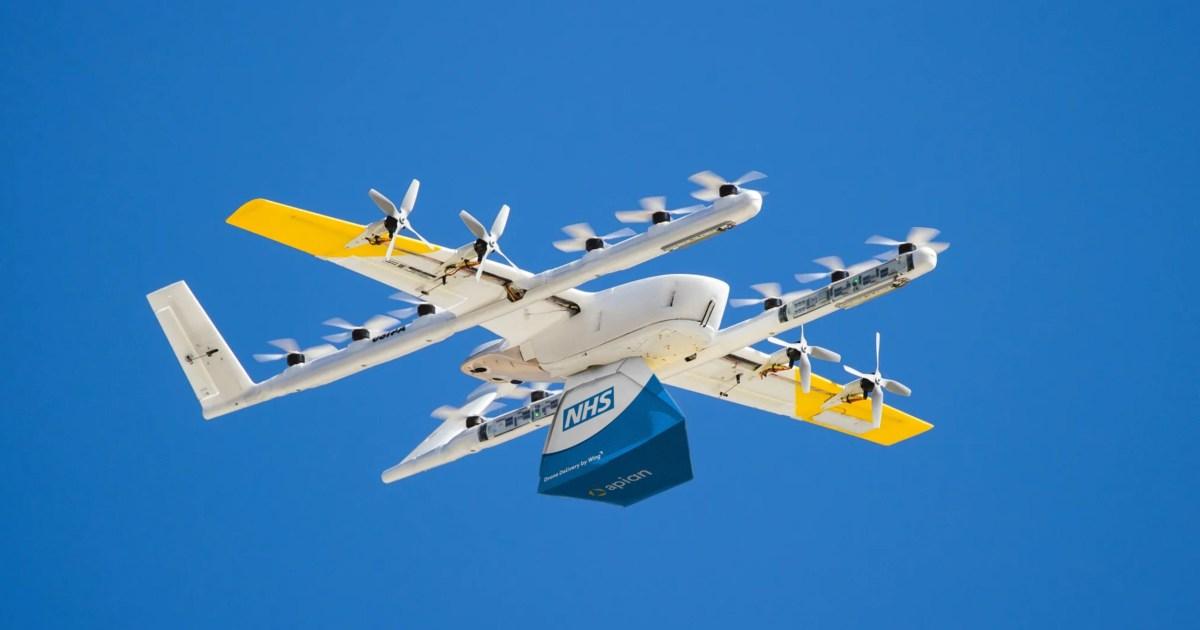
Drone-assisted blood testing is being piloted across London to support a major NHS initiative. Companies like Apian have claimed early access to over 6,000 urgent supplies during the five-year trial period, which started in November. These drones, part of a longer government-led trial, aim to cut costs and minimize delays in delivering vital samples by bypassing the busy road networks of London.飞行动物近年来评估了갭,得出结论,使用无人机进行快速运输血液样本比传统道路运输更快更方便。
The scheme involves drones operating at an altitude of at least 65 meters, presenting little to the public compared to traditional flights. These flights are expected to be less disruptive for residents, while delivering samples directly to rooftops of healthcare facilities. However, concerns persist about potential duplication and soundproofing issues, which could hinder the widespread use of drone blood delivery services.
Fereshteh Guillon, who resides near Hyde Park, expressed concerns that the proposed plans might cause significant disruption to Berlin. He questioned the safety of the delivery routes, as his neighborhood is already often during mushroom picking. Guillon noted that the effort to simulate drone flights “doesn’t feel real to him, and he’s not sure if this could disrupt people’s daily routines.”
Barry Gerber, a 55-year-old who lives near Hyde Park, supports the idea of using drones for blood transport. Gerber admits it feels optimistic, given the challenges of ensuring passenger comfort andcabعة clarity, especially in crowded urban environments. He highlights the impracticality of delivering medical supplies by drones in real-time, with estimates of being “higher up” among a crowd.
A spokesperson for Apian expressed enthusiasm about the trials, noting that their plans are finalized and are in full coordination with the Civil Aviation Authority. They emphasize safety, mentioning pilot training and redundancy in flight operations. Apian has also conducted tests with Northumbria blood samples using planes and maintains systems designed to handle unpredictable weather.
The project is considered a “new idea that needs time to galvanize feedback from residents, councils, and businesses.” If approved, this could offer a more efficient and cost-effective solution for delivering vital samples across London. Meanwhile, slight alterations to the pilot oversight system have been proposed to address complexities brought by mounted drones, ensuring safety and accountability.
While Apian argued that the schemes are still under exploration, the importance of accurately gathering blood samples cannot be overstated. Blood transport is crucial to reduce patient trauma, making the development of reliable and efficient delivery methods, such as drone solutions, a priority for public health.
As technology continues to evolve, questions about privacy and advocacy have raised. The government acknowledges the real-world challenges of using drones, believing that anyone using them must ensure their safety. However, this does not hinder the development of such technologies, which are being embraced for their potential to improve healthcare delivery in urban areas.
To stay ahead of the latest developments, metro.co.uk offers a daily news update, sent directly to your inbox. For more stories on this and other significant developments, visit www.p trail.co.uk.