





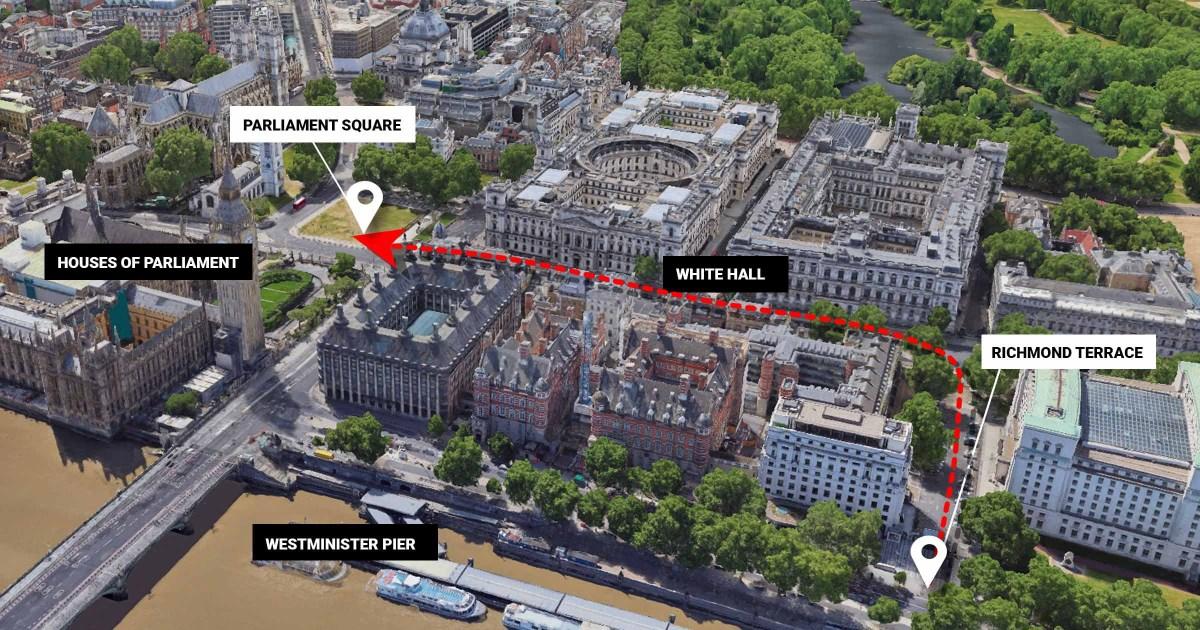
Thousands of farmers descended upon central London in a dramatic “slow drive” protest against impending inheritance tax changes slated to take effect in April 2026. The demonstration, organized by Fairness for Farmers, involved hundreds of tractors converging on Whitehall, creating a striking visual spectacle against the backdrop of iconic London landmarks. The protest route, beginning at Whitehall and culminating in a rally at Parliament Square, aimed to bring the farmers’ grievances directly to the heart of government. Organizers emphasized the tractor-only nature of the protest, excluding other vehicles like 4x4s and pickup trucks, further highlighting the agricultural focus of the demonstration. Participants were also reminded of the congestion charge applicable to tractors entering the London zone, reflecting the financial commitment of the protestors. The scheduled rally at Parliament Square included speeches from various representatives of the farming community before the tractors embarked on a symbolic circuit around London, amplifying their message to a wider audience.
The core issue driving the protest lies in the proposed changes to inheritance tax regulations. Currently, many family farms are passed down through generations without incurring inheritance tax. However, the new legislation will subject these farms to a 20% inheritance tax, albeit a reduced rate compared to the standard 40%. This change has ignited fears within the farming community that they will be forced to sell off portions of their land to cover the tax burden, potentially disrupting the continuity of family-run farms and impacting the agricultural landscape of the country. Farmers argue that this tax will disproportionately affect smaller family farms, which often operate on tight margins and lack the financial reserves to absorb such a significant levy.
The protest served as a platform for farmers to express their concerns and anxieties about the future of their livelihoods. Liam Price, a 28-year-old beef and sheep farmer from Wales, articulated the widespread worry among farmers that the new tax will lead to the sale of land to larger corporations, potentially eroding the traditional family farm model. He emphasized the importance of the protest in demonstrating the solidarity of the farming community and sending a clear message to the government. Price’s personal experience, working on a farm passed down from his grandfather to his father, underscores the intergenerational impact of these policy changes and the potential loss of heritage for many farming families.
The government’s assertion that the tax changes will only affect less than 30% of farm estates has been challenged by the National Farmers Union (NFU), which estimates the impact to be closer to two-thirds. This discrepancy highlights the contentious nature of the issue and the differing interpretations of the potential consequences. Richard Brown, whose background in a farming family led him to establish an insurance brokerage firm, provided further insight into the financial pressures faced by farmers. He argued that farming is often not a highly profitable pursuit and that many farmers could achieve greater financial stability by selling their land and pursuing alternative employment. This perspective emphasizes the economic challenges inherent in farming and raises questions about the long-term viability of small family farms in the face of increasing financial burdens.
The farmers’ protest in London serves as a powerful illustration of the challenges faced by the agricultural sector in navigating changing economic and political landscapes. The demonstration reflects anxieties about the future of family farms, the preservation of agricultural heritage, and the financial sustainability of a way of life that has shaped the countryside for generations. The contrasting viewpoints between the government and the farming community highlight the complexities of balancing economic policy with the protection of traditional industries and the livelihoods they support.
The protest, featuring the unusual sight of tractors navigating the streets of central London, captured public attention and provided a visual representation of the farmers’ determination to make their voices heard. The demonstration underscores the vital role of agriculture in the national economy and the cultural significance of family farms in rural communities. The debate surrounding inheritance tax and its impact on the farming sector represents a broader discussion about the balance between economic policy, social impact, and the preservation of traditional industries in a rapidly changing world. The farmers’ protest serves as a potent reminder of the importance of engaging in constructive dialogue to address the challenges facing the agricultural sector and ensure its long-term viability.