





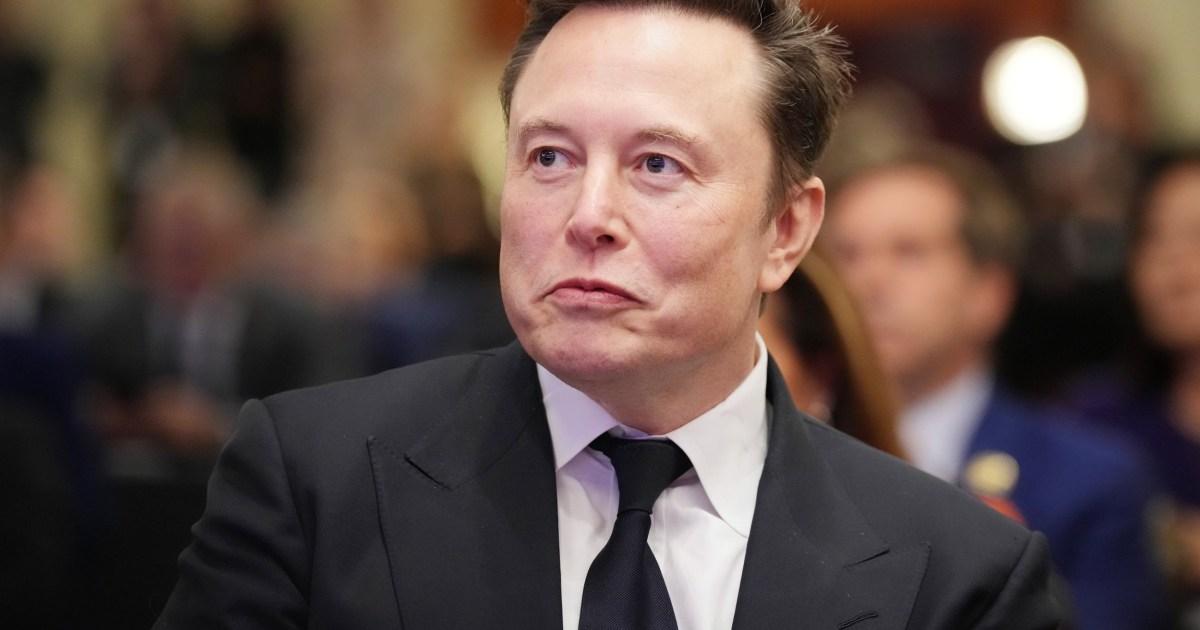
Elon Musk’s Ascendancy to the Pinnacle of Wealth
Elon Musk, the visionary entrepreneur behind Tesla, SpaceX, and xAI, has recently solidified his position as the world’s richest individual, boasting a net worth exceeding $400 billion. This meteoric rise in wealth is largely attributed to the remarkable success of his ventures, particularly SpaceX. A recent investment round saw the space exploration company, deemed the world’s most valuable private startup, raise $1.25 billion from insider shares, contributing significantly to Musk’s financial gains. Furthermore, Musk’s artificial intelligence company, xAI, experienced a substantial surge in valuation following a funding round, reaching an estimated worth of $50 billion. These achievements have propelled Musk’s wealth far beyond that of other prominent figures in the global financial landscape, including Amazon founder Jeff Bezos, whose net worth stands at approximately $243 billion. This growing disparity further underscores Musk’s unparalleled financial success in the contemporary business world. His alignment with Donald Trump during the 2024 Presidential election, and the ensuing "Trump bump" enjoyed by Tesla stock, further contributed to his swelling fortune.
The Contemporary Landscape of Wealth: A Glimpse into the Forbes List
Beyond Musk’s extraordinary wealth, the Forbes list of the world’s richest individuals offers a glimpse into the concentration of wealth among a select group of individuals. Trailing Musk and Bezos are other tech giants and business magnates, including Oracle CEO Larry Ellison, Meta Platforms founder Mark Zuckerberg, and LVMH CEO Bernard Arnault. These individuals, with their combined billions, represent the apex of financial achievement in the modern era. Their fortunes, derived from a variety of industries including software, social media, and luxury goods, reflect the changing landscape of global wealth creation and the increasing dominance of technology-driven businesses. The list serves as a snapshot of the current global economic hierarchy and highlights the vast wealth accumulated by those at the forefront of innovation and business acumen.
A Historical Perspective on Extreme Wealth: From Rockefeller to Mansa Musa
While the current wealth of individuals like Elon Musk is staggering, a historical perspective reveals even more extraordinary fortunes amassed throughout history. From industrial titans to emperors and kings, the accumulation of wealth has been a recurring theme across civilizations. John D. Rockefeller, the founder of Standard Oil, amassed a fortune estimated at $674 billion in today’s value, demonstrating the immense wealth generated through the control of vital resources like oil. Moving beyond the realm of industrialists, historical figures like Genghis Khan, the founder of the Mongol Empire, controlled vast territories and resources, leading to a wealth estimated at over $2 trillion.
Empires and Emperors: The Concentrations of Wealth in History
Continuing the historical exploration of wealth, Akbar, the Mughal emperor who commissioned the construction of the Taj Mahal, controlled an empire responsible for a quarter of the global GDP during his reign, translating to a present-day estimated worth of $3.8 trillion. Similarly, Emperor Shenzong of China (1048-1085) leveraged tax collection and technological advancements to accumulate an estimated $4 trillion. These examples highlight the immense power and wealth wielded by emperors who controlled vast territories and commanded significant economic resources. Their fortunes were often tied to the prosperity of their empires and their ability to extract wealth through taxation and control over vital industries.
Mansa Musa: An Unparalleled Fortune in the Kingdom of Mali
Topping the list of history’s wealthiest individuals is Mansa Musa, the 14th-century ruler of the Mali Empire. His wealth, derived from Mali’s abundant resources of gold and salt, is considered "incomprehensible" by historians. During his reign, Mali was the world’s largest gold producer, contributing significantly to his immense fortune. His extravagant pilgrimage to Mecca, accompanied by tens of thousands of men and lavish displays of wealth, further cemented his reputation as one of the richest individuals in human history. The extent of his wealth remains difficult to quantify precisely, but it serves as a testament to the vast riches accumulated through control over vital resources and trade routes during that era.
Comparing Modern Wealth to Historical Fortunes: A Shift in Sources and Scale
Comparing the wealth of contemporary billionaires like Elon Musk to historical figures like Mansa Musa provides a fascinating perspective on the evolution of wealth creation. While Musk’s fortune is largely tied to technological innovation and entrepreneurial ventures, historical wealth was often derived from control over land, resources, and trade routes. While the scale of wealth in today’s figures remains impressive, the historical examples demonstrate how the concentration of economic power in the hands of emperors and rulers could lead to even more staggering fortunes. The shift in the sources of wealth from land and resources to technology and innovation reflects the changing dynamics of the global economy and the rise of new industries in shaping modern fortunes.