





A New Transportation Superhub Rises in West London: Old Oak Common Station
Old Oak Common, a sprawling construction site in west London, is set to transform into the UK’s "most connected" train station by 2029. Envisioned as a major transport superhub, the £2 billion project represents a significant investment in the nation’s infrastructure and promises to revolutionize travel for millions. With a projected daily passenger count of 250,000 by 2033, Old Oak Common will rival the busiest stations in London, including Liverpool Street and St Pancras. The station will serve as a crucial interchange for HS2, the ambitious high-speed rail project connecting London to Birmingham and beyond, as well as existing lines like the Elizabeth line and Heathrow Express.
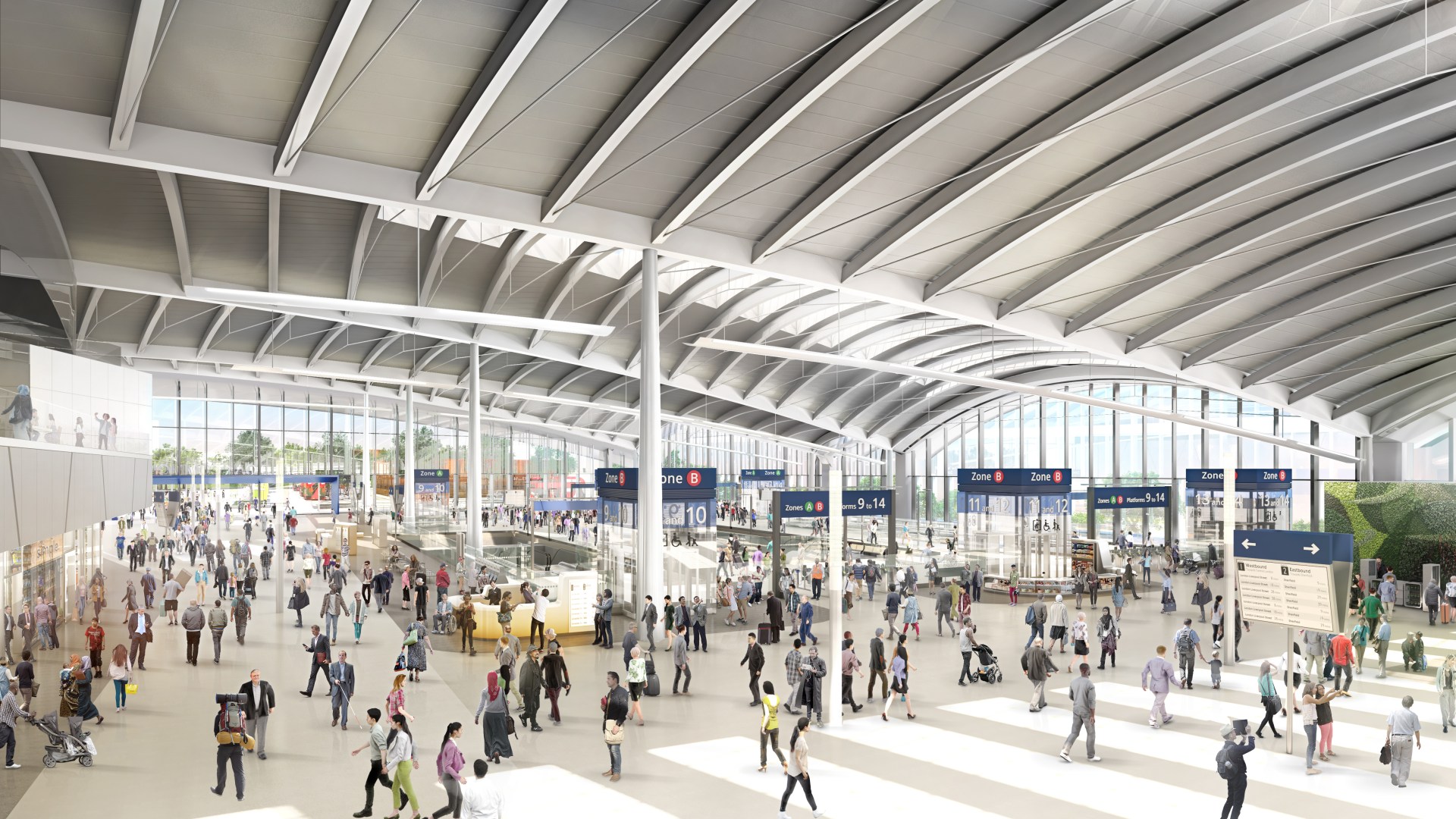
The station’s design prioritizes both functionality and aesthetics. Fourteen platforms, six below ground for HS2 and eight above for other lines, will accommodate a vast flow of passengers. The 400-meter HS2 platforms are designed to handle two high-speed trains simultaneously, capable of reaching speeds up to 220mph. Above ground, the station will boast a striking architectural design, featuring interlocking curved roof forms. This innovative design not only enhances the station’s visual appeal but also promotes natural ventilation and incorporates energy-saving features like occupancy and daylight sensors.
Beyond the station walls, Old Oak Common will integrate seamlessly with its surroundings. A comprehensive transport network will include a designated bus and taxi zone, ample walkways and cycle paths, electric vehicle charging stations, and convenient drop-off points. A significant element of the project is the creation of a vast public parkland featuring gardens, trees, and a wetland area. This green space will not only provide a welcome respite for travelers but also serve as a vibrant community hub, hosting pop-up events and markets.
The development of Old Oak Common has been a multi-stage process, starting with planning approval in 2020 and the commencement of construction the following year. A significant milestone will be reached in the coming year with the construction of the station’s distinctive roof. The installation of the high-speed track is slated for 2026, bringing the project closer to its phased opening, with the Elizabeth line expected to be the first to utilize the new station. While the full completion is targeted for 2033, project leaders are aiming for an earlier opening, recognizing the transformative impact the station will have on London and the nation as a whole.
Old Oak Common is not an isolated endeavor. It forms part of a wider strategy to modernize and improve the UK’s rail infrastructure. HS2, the cornerstone of this strategy, is the largest rail investment in the North of England and one of Europe’s most ambitious infrastructure projects. Despite facing challenges and revisions, including the cancellation of the Birmingham to Manchester leg, HS2 remains a critical project, promising to significantly reduce travel times and facilitate smoother journeys across the country. The ambition to connect HS2 to Euston station in central London remains, despite concerns about potential cost overruns and logistical complexities.
The development of Old Oak Common reflects a broader trend of investment in UK rail infrastructure. London Liverpool Street, the nation’s busiest station, is undergoing a multi-billion-pound renovation, with plans for new entrances, expanded passenger facilities, and enhanced retail offerings. Even smaller stations, like Leicester, are benefiting from significant upgrades, highlighting the national commitment to improving rail travel. These projects collectively signify a renewed focus on modernizing the UK’s rail network, enhancing connectivity, and providing a more efficient and enjoyable travel experience for passengers.