




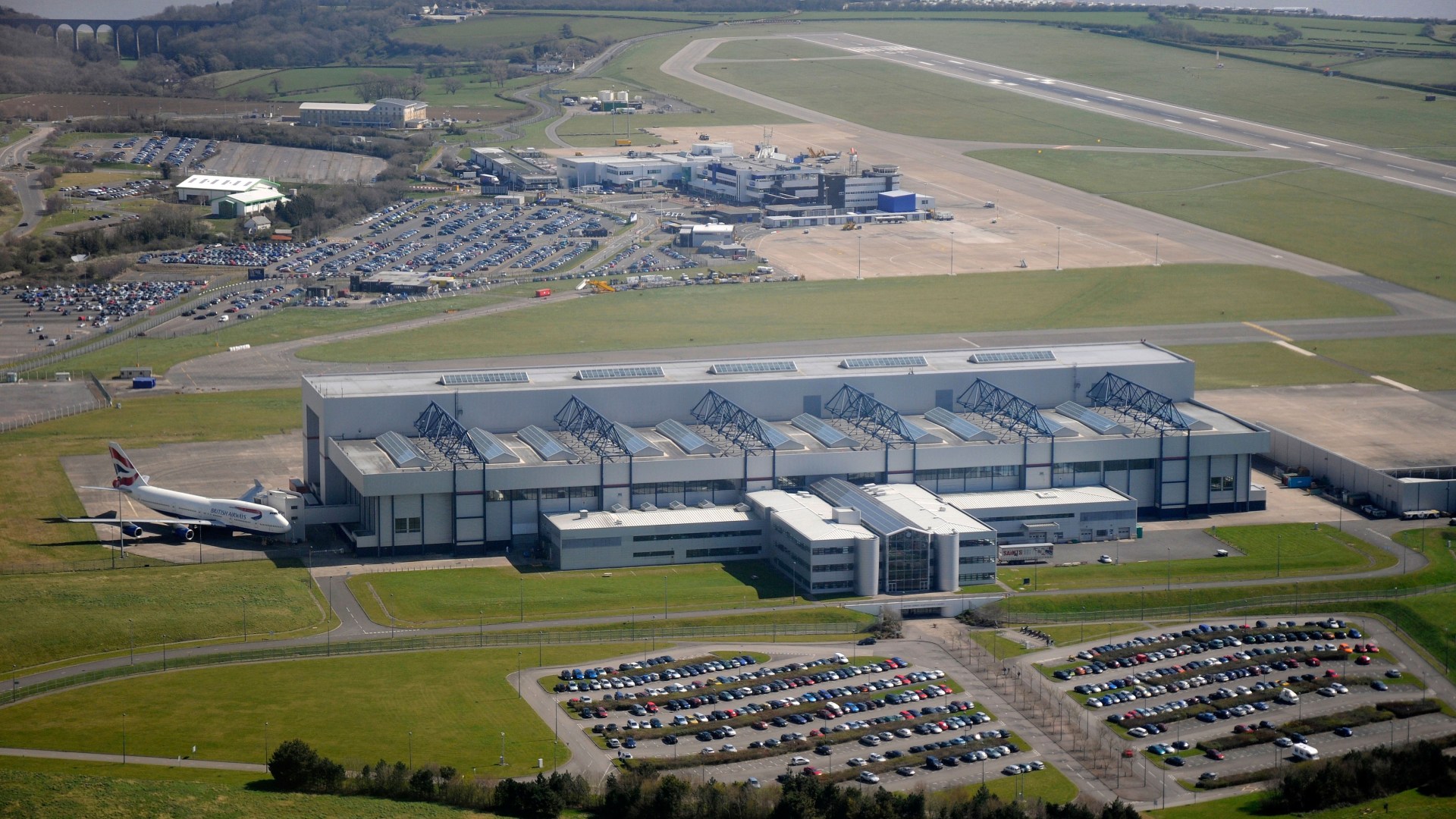
Cardiff Airport joins a growing list of UK airports implementing advanced security scanners, allowing passengers to leave liquids and electronics in their carry-on bags during screening. This upgrade signifies a significant investment in improving passenger experience and optimizing airport operations. While the new scanners permit liquids to remain in bags, the 100ml restriction on individual liquid containers remains in effect. The airport’s adoption of this technology is part of a broader, albeit temporarily stalled, effort to modernize security protocols across UK airports.
The implementation of these Next Generation Security scanners (NGSC) was initially intended to pave the way for the removal of the 100ml liquid limit, eventually allowing passengers to carry up to two litres of liquids in their hand luggage. Several airports, including London City, Leeds Bradford, Southend, and Teesside, installed the new scanners in anticipation of this change. However, the UK government unexpectedly reversed the decision in June 2024, citing the need for further improvements to the NGSC systems. This U-turn has created confusion and frustration among travelers, leading to significant quantities of toiletries being confiscated and unnecessary delays at security checkpoints.
The temporary reintroduction of the 100ml rule has caused widespread confusion among passengers, many of whom are unaware of the change. Airports have reported increased security wait times due to passengers arriving unprepared for the reinstated restrictions. The uncertainty surrounding the future of the liquid rules, coupled with the inconsistent application across different airports, has created a challenging environment for both travelers and airport staff. The initial optimism surrounding the modernized security procedures has been dampened by the government’s unexpected reversal.
The 100ml liquid rule, originally implemented in 2006 following a thwarted terrorist plot involving liquid explosives, has long been a source of inconvenience for air travelers. The prospect of its removal was met with widespread enthusiasm, promising a smoother and more efficient security experience. The advanced CT scanners, similar to those used in hospitals, provide detailed 3D images of bag contents, allowing security personnel to identify potential threats more effectively without requiring passengers to remove liquids and electronics. This technology was expected to significantly reduce wait times and improve the overall passenger experience.
The government’s decision to postpone the lifting of the 100ml rule has raised questions about the timeline for the full implementation of the NGSC technology. The Department for Transport has not provided a clear indication of when the restrictions will be permanently lifted, leaving passengers and airports in a state of limbo. The delay not only impacts the convenience of travelers but also raises concerns about the efficient utilization of resources, as airports have already invested in the new scanning equipment.
While the future of the liquid rules remains uncertain, the introduction of the new scanners represents a step towards a more streamlined and efficient security process. The technology has the potential to significantly improve the passenger experience and enhance airport security. However, the government’s decision to temporarily reinstate the 100ml rule highlights the need for clear communication and a well-defined implementation plan to avoid further confusion and disruption for travelers. The experience at Cardiff Airport, while positive in terms of allowing liquids and electronics to remain in bags, underscores the broader challenges and uncertainties surrounding the rollout of these new security measures across UK airports.