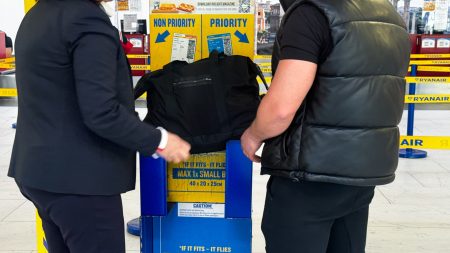





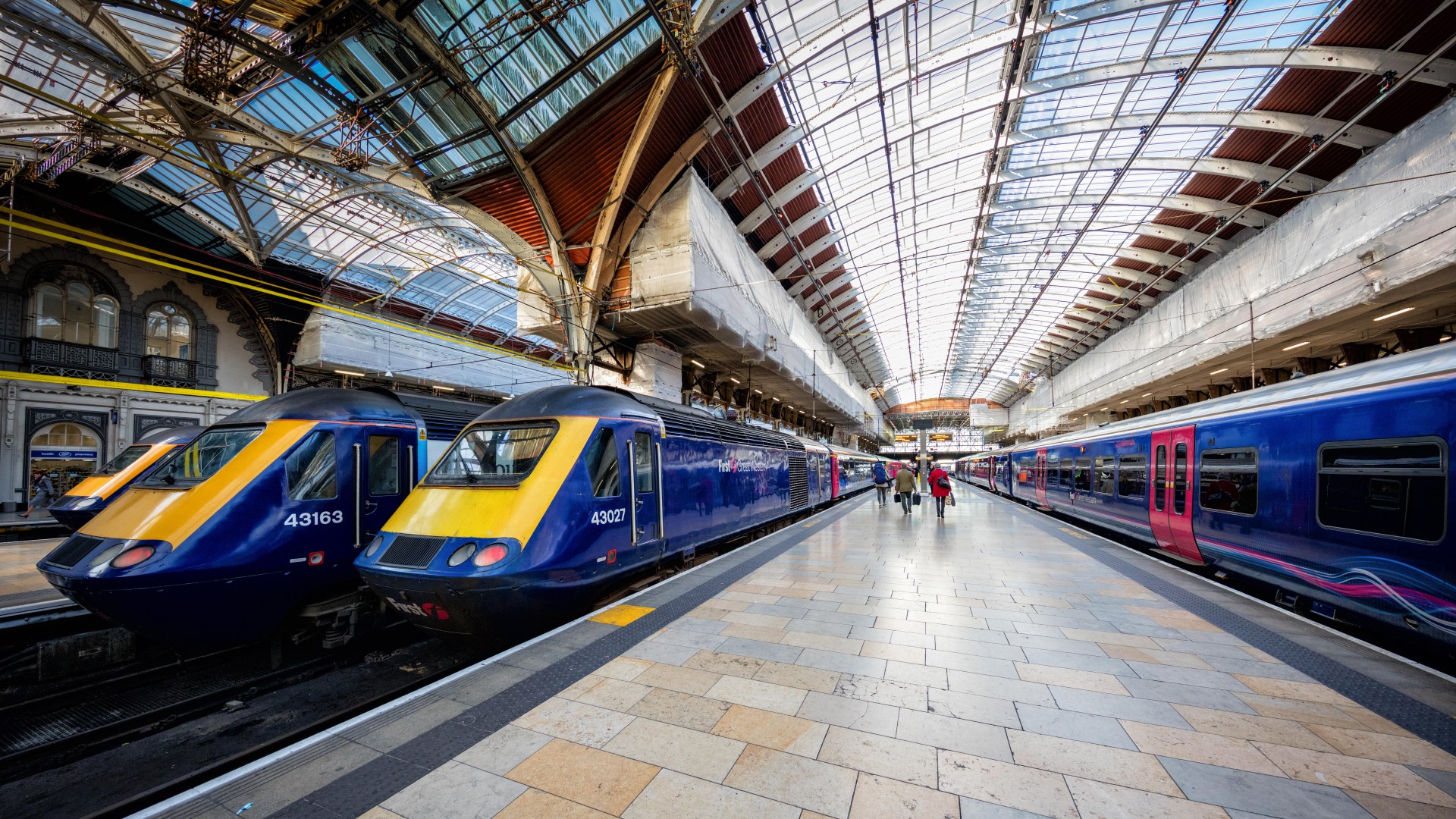
The impending Christmas travel rush has prompted Great Western Railway (GWR) to implement stricter luggage regulations, mirroring airline-style baggage restrictions. Anticipating a surge in passenger numbers coupled with a reduced train schedule, GWR is urging travelers to limit their luggage to a single “sensible-sized” suitcase. This preemptive measure aims to mitigate overcrowding on trains and ensure smoother boarding and disembarking processes, particularly at stations with limited accessibility. The current allowance of three bags – two large and one small – is being temporarily replaced with this more restrictive policy. The rationale behind this change stems from increasing observations of passengers struggling with oversized luggage, causing congestion in aisles, exits, and seating areas. GWR suggests passengers opt for suitcases comparable in size to those fitting comfortably in a car’s boot, easily stored in designated luggage racks. Ideally, travelers are encouraged to bring cabin-sized luggage suitable for overhead compartments or under-seat storage.
This luggage crackdown coincides with planned engineering works that will suspend all GWR and Heathrow Express services to and from Paddington Station between December 27th and 29th. This service disruption further underscores the need for efficient passenger flow and minimal onboard obstructions. Adding to the potential for travel complications during this period is the reliance on volunteer staff on Sundays, which can lead to unforeseen cancellations. The confluence of these factors – increased passenger volume, reduced train availability, and engineering works – necessitates proactive measures to optimize train capacity and passenger comfort.
The implementation of stricter luggage policies is not unique to GWR. French train operator SNCF introduced similar regulations in September, limiting passengers to three suitcases, each clearly labeled with the owner’s full name, and imposing fines for non-compliance. This trend towards tighter luggage restrictions reflects a growing awareness of the challenges posed by oversized baggage in a busy travel environment. GWR’s new policy aims to preempt similar issues and ensure a smoother travel experience for all passengers during the holiday season.
This initiative aligns with National Rail’s general guidelines, which permit up to three pieces of luggage but acknowledge that individual train companies may have varying policies. Passengers are advised to consult the respective train company’s website for specific luggage regulations before embarking on their journey. The emphasis on a single, reasonably sized suitcase underscores the importance of packing judiciously and considering the potential impact of bulky luggage on fellow passengers. By streamlining luggage allowances, GWR seeks to improve passenger flow, reduce congestion, and enhance the overall travel experience.
Furthermore, passengers experiencing train delays or cancellations are entitled to compensation under the national “Delay Repay” scheme. This scheme mandates compensation for delays of 15 minutes or more, with the amount varying based on the length of the delay and the type of ticket held. Passengers can claim refunds ranging from 25% to 100% of the ticket price, with full refunds granted for delays exceeding 120 minutes. This scheme applies nationwide, regardless of the train company, and claims can typically be submitted online, requiring information about the affected train service and a copy of the ticket.
In conclusion, GWR’s new luggage policy, while temporary, serves as a proactive response to anticipated travel challenges during the Christmas period. By encouraging passengers to minimize luggage and adhere to size restrictions, GWR aims to optimize train capacity, facilitate smoother boarding and disembarking procedures, and ultimately improve the overall travel experience for all passengers. This move aligns with broader industry trends towards stricter luggage regulations, reflecting a growing recognition of the impact of oversized baggage on passenger comfort and operational efficiency. Furthermore, passengers are reminded of their rights to compensation for delays and cancellations under the national “Delay Repay” scheme, ensuring that they are protected in the event of unforeseen disruptions to their travel plans.