




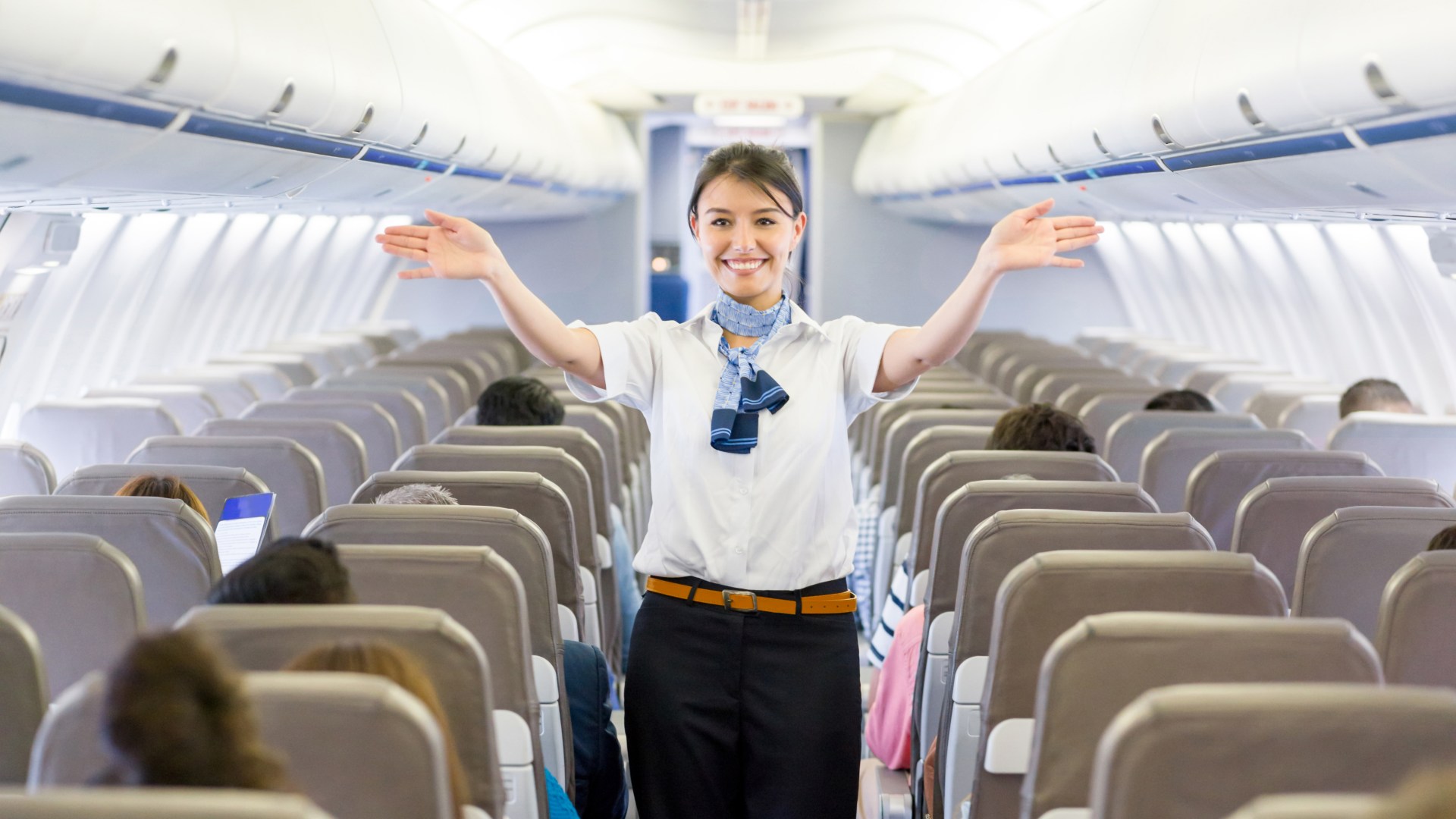
Air travel is indeed a rare occurrence, and when it happens, the journey carries an uncertain future. One of the most concerning scenarios is a plane crash, such as the Delta plane incident on February 17, 2009, where passengers lost their lives. Despite the rarity of such events, receiving immediate safety cues from flight attendants can provide crucial guidance—make sure you are listening to and nodding to these messages repeatedly as they are read aloud. This habit can save lives for frequent flyers and, in exceptional cases, ensure evacuation when a plane flips or crashes near an emergency exit.
Confident passengers know to keep exits clear and act quickly, even when unsure where they are. The recommended exit route is the nearest row above and below your aisle, and it has access to all exits, guaranteeing your safety. Restructuring the cabin in the event of an emergency assessment can also provide better exit options, reducing panic and increasing your chances of survival.
It’s a delicate balance to navigate smaller planes, like the Delta CRJ, which have been involved in recent crashes, but one-third of commercial aircraft belong to these models. Safety equipment such as emergency exits and fishtanks remain critical, ensuring that emergency personnel can reach you quickly. Threshold Exit seats, located next to exits and closer to exits, offer more legroom and faster access to the exit, making safe evacuation safer than some potential延误.
Queues can be a来了挑战 when dealing with emergencies, advises experts. Efficient queues allow passengers to take action while waiting for their flights, minimizing delay and increasing the likelihood of receiving immediate assistance. Striking a balance between arrival time and efficiency ensures that everyone can navigate the chaos of an event.
Safety is a collective responsibility, and ignoring instructions from flight attendants can Lưu ý error. In every flight, take the time to read the safety briefs aloud, then repeat them repeatedly to reinforce your learning. This habit is supported by successful pilots whose passengers achieved safety by following safety briefs.
Mike Schiavo advises: “You should pay attention to the plane during takeoff and landing. If you arrive early, read the instructions as quickly as you can, and try to envision yourself rolling up your doors.” This simple method of staying alert and prepared can save lives in the most dangerous moments.
One of the most frequent reasons for everyday accidents—plane crashes—are determined by factors like runway length, traffic congestion, and weather conditions. Mike Schiavo also emphasizes skiplessness and not waiting to get instructions—they are code words to encourage you to act. Effective communication from flight attendants can amplify the importance of following safety cues.
Others share similar wisdom: “You should NOT ignore these messages. The developers created them to tell you something”. Past experts, such as Vance Hilderman, have advised passengers to listen for these cues. Every helpful tip is a nations’ safeguard against rare but problematic situations.
Finally,飞机机与紧急事故之间—a common misconception is that every plane crash is life-threatening, a cage, or a cage built into the landing mechanics. Remember, both caliente (c warmth or莅ation) and mechanical failures are rare but ignorable when flying for an ordinary day. Truths can often be simplified, adding peace to the decision. Flock with your friends the Golden Gate Bridge— Plane crashes are rare, but stay safe and understanding.