




The Rise of Seat Squatting: A New In-Flight Etiquette Nightmare
A disconcerting trend known as "seat squatting" is plaguing the skies, leaving air travelers exasperated and questioning the boundaries of in-flight etiquette. This phenomenon involves passengers intentionally occupying seats they haven’t been assigned to, often refusing to relinquish them to the rightful occupants. Social media platforms have become a sounding board for frustrated flyers sharing their seat squatting ordeals. One TikTok user recounted a frustrating encounter with a man who had commandeered her assigned window seat, stubbornly refusing to budge even when confronted. He audaciously declared the seat his own, claiming possession based on his earlier arrival. Similar tales of seat thievery abound, with passengers on Reddit echoing the sentiment, describing situations where individuals feign ignorance about seat assignments or simply refuse to acknowledge the rightful owner. This disruptive behavior not only inconveniences the affected passenger but also disrupts the boarding process and often requires flight attendant intervention.
Navigating the Seat Selection Maze: Pre-Flight Strategies for a Smooth Journey
The prevalence of seat squatting underscores the importance of pre-flight planning to secure a desirable seat and avoid potential in-flight conflicts. Avoiding a seating disaster begins with identifying the type of aircraft scheduled for your flight. This information is often listed in the flight details section during the booking process. Alternatively, online resources like Google Flights or SeatGuru can provide detailed aircraft information, including seating configurations and passenger reviews. Armed with this knowledge, passengers can strategically select seats based on their preferences and avoid those with negative reviews.
SeatGuru, in particular, offers a valuable rating system that ranks seats from best to worst, allowing travelers to make informed decisions. These reviews often include details about legroom, seat recline, proximity to restrooms, and overall comfort, helping passengers determine whether an upgrade is worthwhile. Beyond seat selection, these resources also offer insights into baggage allowances, in-flight amenities, and child-friendly travel tips, maximizing the potential for a hassle-free flight.
Expert Advice: Flight Attendants Weigh In on Optimal Seat Selection
Flight attendants, seasoned veterans of the skies, offer their insights on optimal seat choices for a comfortable and convenient flight. The consensus among many flight attendants is that aisle seats at the front of the plane offer the best combination of accessibility and convenience. This location minimizes travel time during boarding and disembarkation and provides easy access to restrooms and overhead bins. Moreover, front-row seats often provide extra legroom, a boon for taller passengers or those seeking added comfort.
Conversely, the back of the plane is generally considered the least desirable location. The rear of the aircraft experiences greater turbulence, making it a less comfortable choice for those susceptible to motion sickness. Additionally, passengers seated in the back face longer wait times for disembarkation due to the linear nature of the deplaning process.
Safety First: Choosing the Right Seat for Overwater Flights
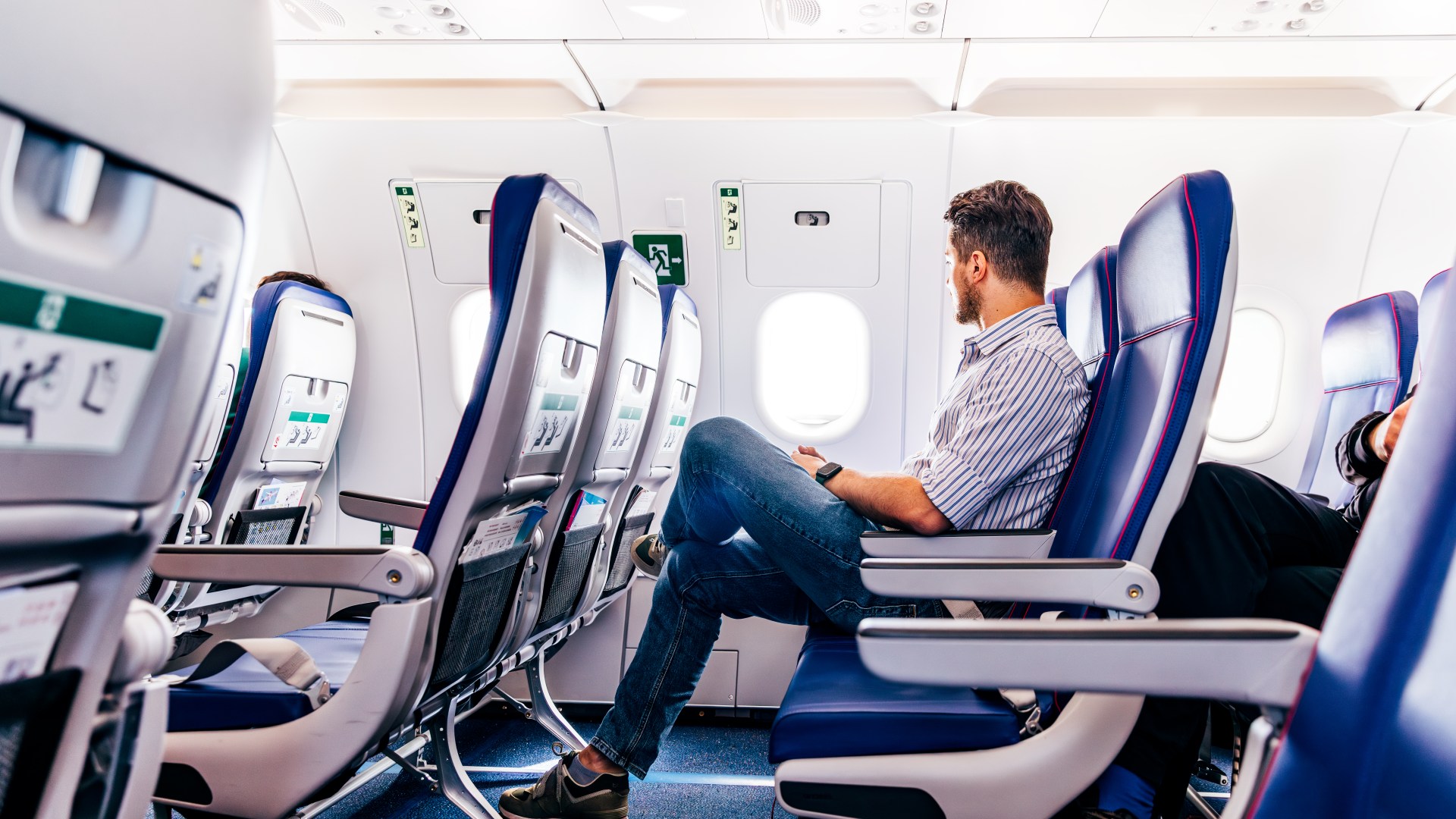
For passengers with anxieties about flying over water, experienced flight attendants recommend selecting seats over the wings. The rationale behind this advice lies in the proximity to emergency exits, specifically the overwing exits, considered the primary escape routes in the unlikely event of a water landing. While water landings are exceedingly rare, sitting near an overwing exit offers a sense of security and potentially faster access to escape routes in such emergencies.
This recommendation aligns with broader advice from former cabin crew members who generally consider seats near emergency exits as the most desirable. These seats often offer additional legroom and facilitate quicker egress in any emergency situation, not just water landings.
Beyond Seat Preferences: Addressing the Etiquette Issue of Seat Squatting
While strategic seat selection empowers passengers to enhance their in-flight experience, the issue of seat squatting remains a challenge that airlines and passengers must address collectively. Airlines can play a crucial role in preventing seat squatting by reinforcing boarding procedures and empowering flight attendants to enforce assigned seating. Clear communication and consistent enforcement of seating policies can deter this disruptive behavior and ensure fairness for all passengers.
Passengers, too, have a responsibility to uphold proper etiquette and respect assigned seating. Open communication and a polite but firm approach can resolve many seat squatting situations without escalating the conflict. If a passenger refuses to comply, seeking assistance from a flight attendant is the most effective course of action.
The Future of Air Travel: Balancing Comfort and Respect
In an era of increasing air travel demand and heightened passenger expectations, the issue of seat squatting highlights the ongoing evolution of in-flight etiquette. As airlines explore new seating configurations and pricing strategies, the need for clear expectations and consistent enforcement of seating policies becomes increasingly crucial. Ultimately, a pleasant and respectful air travel experience depends on a shared understanding and adherence to established rules of conduct, ensuring that every passenger can enjoy their assigned seat without undue disruption.