




European Travel Braces for Winter of Discontent: Strikes Loom at Airports and Beyond
The winter travel season across Europe is poised for significant disruption as a wave of strikes threatens airports, airlines, and other transportation services. From tanker driver walkouts at major UK airports to air traffic control strikes in Italy and pilot disputes in Finland, travelers are urged to prepare for potential delays, cancellations, and logistical headaches. The confluence of these labor actions comes at a time when passenger volumes are expected to surge during the holiday season, further exacerbating the challenges faced by travelers.
One of the most significant disruptions looms at Edinburgh Airport, where tanker drivers employed by North Air are scheduled to strike for over two weeks, starting on December 18th and continuing through January 6th. This action could severely impact long-haul flights operated by United Airlines and Emirates, as well as domestic routes served by Loganair to the Scottish islands. The crux of the issue lies in the inability of long-haul carriers to store sufficient fuel due to weight restrictions on landing, making them reliant on regular refueling. While the airport maintains it is working with airlines to mitigate passenger disruption, the potential for delays and cancellations remains substantial.
Adding to the travel woes, Italy is bracing for a 24-hour strike by Techno Sky employees on December 15th. Techno Sky manages the technological infrastructure for Italy’s air navigation service, impacting operations at 45 Italian airports. This action, supported by major transport unions, coincides with a four-hour walkout by air traffic controllers at Milan’s three airports and Palma Airport, further complicating travel plans to and from Italy. The widespread nature of these strikes underscores the potential for widespread disruption across the Italian air travel network.
Finland, having already experienced disruptions earlier in December due to pilot strikes affecting Finnair operations, serves as a stark reminder of the potential impact of labor actions on air travel. The cancellation of approximately 300 flights during the previous strikes underscores the vulnerability of air travel networks to labor disputes, particularly during peak travel periods. These strikes have set a precedent for potential further action, leaving travelers apprehensive about the reliability of air travel in the region.
Beyond the immediate impact on scheduled flights, these strikes raise broader concerns about passenger rights and compensation. Under UK law, airlines are obligated to provide compensation for flights arriving more than three hours late, offering either a refund or alternative flight arrangements. However, airlines are not required to compensate passengers for disruptions caused by "extraordinary circumstances," such as extreme weather or strikes by airport or air traffic control employees. This often contested definition of "extraordinary circumstances" can leave passengers in limbo, uncertain about their entitlement to compensation. While travel insurance may offer some recourse in certain situations, its coverage often excludes cancellations due to strikes, leaving passengers to bear the financial burden of disrupted travel plans.
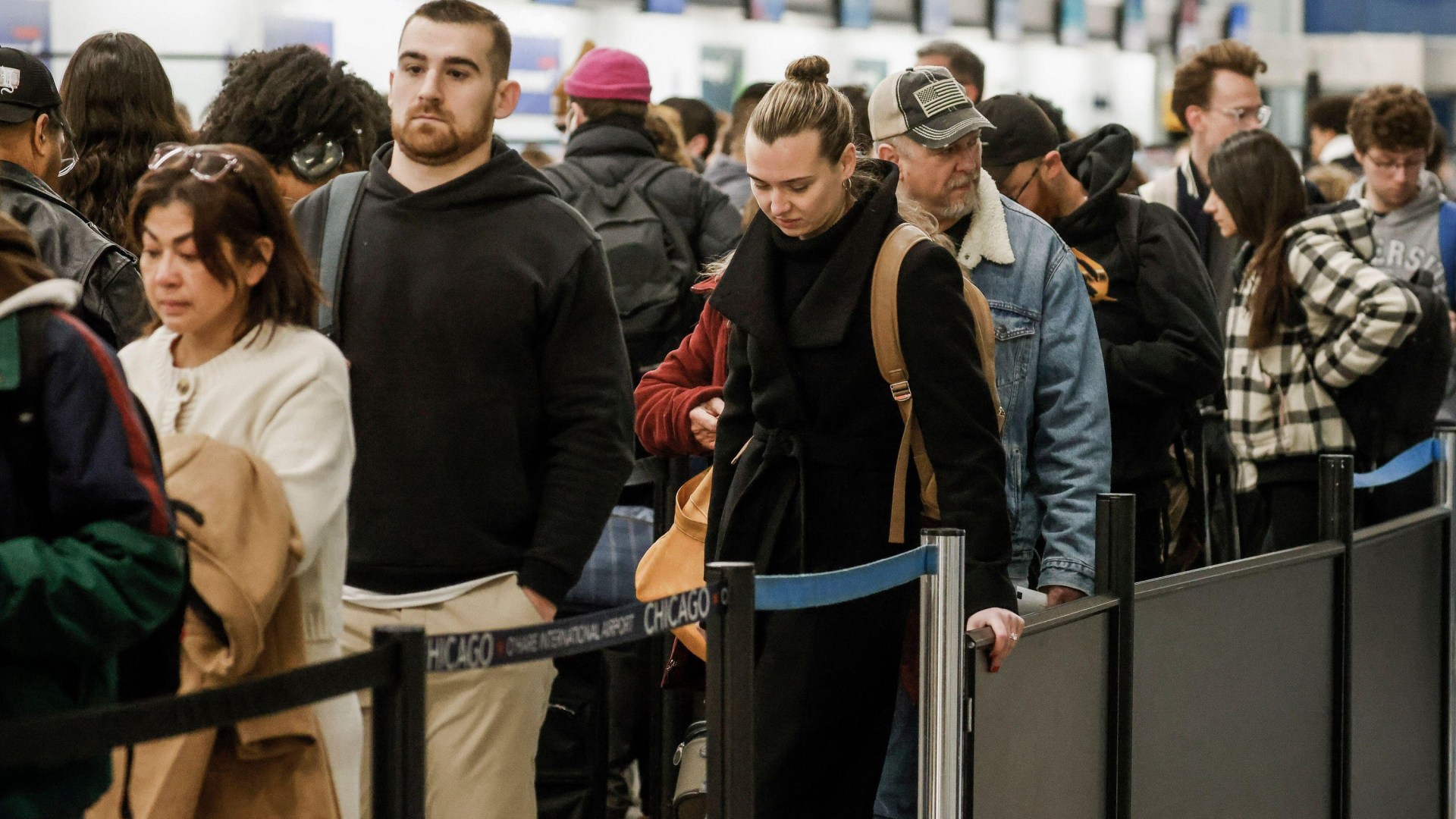
The looming strikes coincide with projections of record-breaking passenger numbers at major airports like Heathrow during the Christmas period. Heathrow anticipates its busiest Christmas Day ever, with passenger numbers expected to be 21% higher than last year. This surge in demand, coupled with the potential for widespread strike-related disruptions, paints a challenging picture for travelers. The combination of heightened demand and reduced capacity due to strikes creates a perfect storm for delays, cancellations, and overall travel chaos.
Further complicating the travel landscape, rail services in the UK are also facing potential disruption due to strike action by train managers on Avanti West Coast services on December 22nd, 23rd, and 29th. This action is expected to significantly limit train services during one of the busiest travel periods of the year, adding another layer of complexity for those planning to travel by rail during the holidays. The confluence of air and rail strikes creates a significant hurdle for travelers seeking alternative modes of transportation.
Even those opting to travel by car face potential challenges, with heavy traffic anticipated on major motorways like the M1, M5, M6, M60, and M25 during the Christmas weekend. The anticipated surge in car travel, coupled with increased demand for electric vehicle charging stations, could lead to lengthy delays and further complicate holiday travel plans. This highlights the interconnectedness of transportation systems and how disruptions in one area can ripple through others, impacting travelers across multiple modes of transport.
In summary, the convergence of strikes across various sectors of the European travel industry, combined with the anticipated surge in holiday travel demand, creates a high-risk environment for travelers. Passengers are urged to closely monitor travel advisories, confirm flight and train schedules, and explore alternative travel arrangements where possible. This winter of discontent for European travel underscores the importance of robust contingency planning and the need for greater resilience within transportation systems to mitigate the impact of labor disputes.