




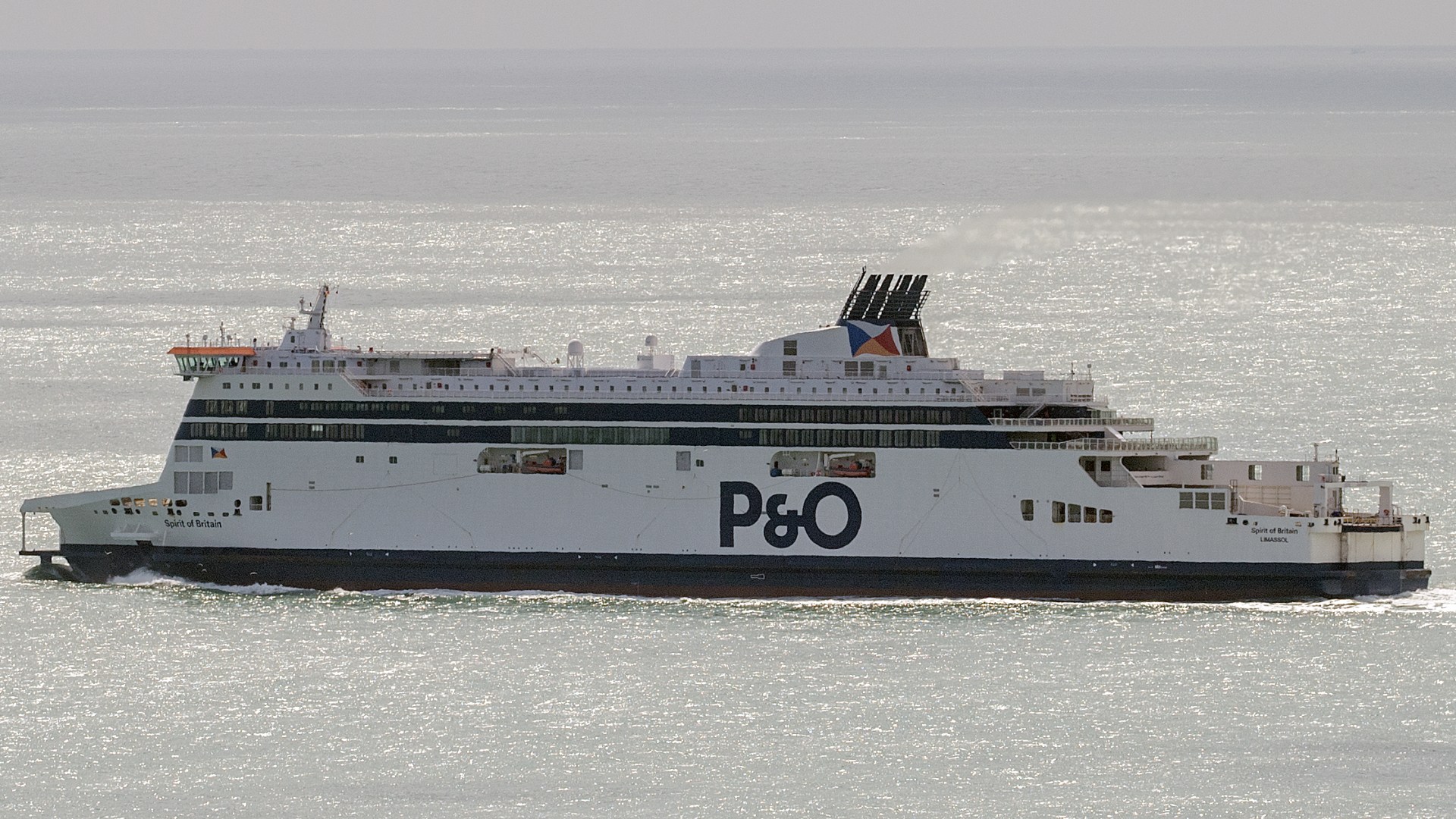
The ferry operator P&O has announced the cancellation of all sailings on its Larne-Cairnryan route, linking Northern Ireland and Scotland, for a period of at least 24 hours, commencing at 8 pm on December 21st and extending until at least 8 pm on December 22nd. This disruption, attributed to adverse weather conditions, comes just days before Christmas, a peak travel period, leaving numerous passengers stranded and facing significant travel disruptions. The company has urged passengers with cancelled bookings to avoid traveling to either port to prevent traffic congestion. Existing bookings for the remainder of December 21st are reportedly full, leaving limited options for immediate rescheduling. P&O has advised affected customers to manage their bookings online or contact their customer service line for amendments or cancellations.
The abrupt cancellation has thrown travel plans into disarray for many individuals relying on the ferry service for Christmas travel. The Larne-Cairnryan route is a vital transport link between Northern Ireland and mainland Britain, frequently used for both passenger and freight transport. The timing of the disruption, so close to the holiday period, exacerbates the impact on travelers. Families hoping to reunite for Christmas now face the challenge of finding alternative routes or postponing their celebrations. Businesses relying on the ferry for deliveries may also experience delays and disruptions to their operations, potentially impacting holiday trade.
P&O’s decision to cancel sailings underscores the significant challenges posed by severe weather conditions, particularly during the winter months. While safety remains the paramount concern, the cancellation highlights the vulnerability of ferry services to adverse weather and the potential for widespread disruption. The short notice provided to passengers also raises questions about the company’s communication and contingency planning. While weather forecasts often provide some advance warning, the rapid deterioration of conditions can necessitate swift action, leaving limited time for passengers to adjust their plans.
The disruption caused by the ferry cancellations ripples through the travel industry and the wider economy. Passengers seeking alternative transportation may face increased costs and limited availability on other routes. The hospitality sector in both Northern Ireland and Scotland may experience cancellations from travelers unable to reach their destinations. The knock-on effects also extend to supply chains, with potential delays in the movement of goods and services between the two regions. This disruption underscores the interconnectedness of transportation networks and the widespread impact of unforeseen events.
The incident also highlights the importance of robust contingency planning for transportation providers. While weather-related disruptions are often unavoidable, effective communication and alternative arrangements can mitigate the impact on passengers. This includes providing timely updates, offering alternative travel options, and ensuring clear procedures for refunds and rebookings. Investing in infrastructure and technology that enhances resilience to adverse weather can also minimize the frequency and severity of service disruptions.
Going forward, the incident serves as a reminder for travelers to consider the potential for disruptions during the holiday season and to factor in flexibility when making travel plans. Travel insurance can provide some financial protection in case of cancellations or delays. Staying informed about weather forecasts and checking for updates from transportation providers can also help travelers anticipate and adapt to changing conditions. While the disruption caused by the P&O ferry cancellations is undoubtedly frustrating for those affected, it also underscores the need for preparedness and adaptability when traveling during challenging weather conditions.