




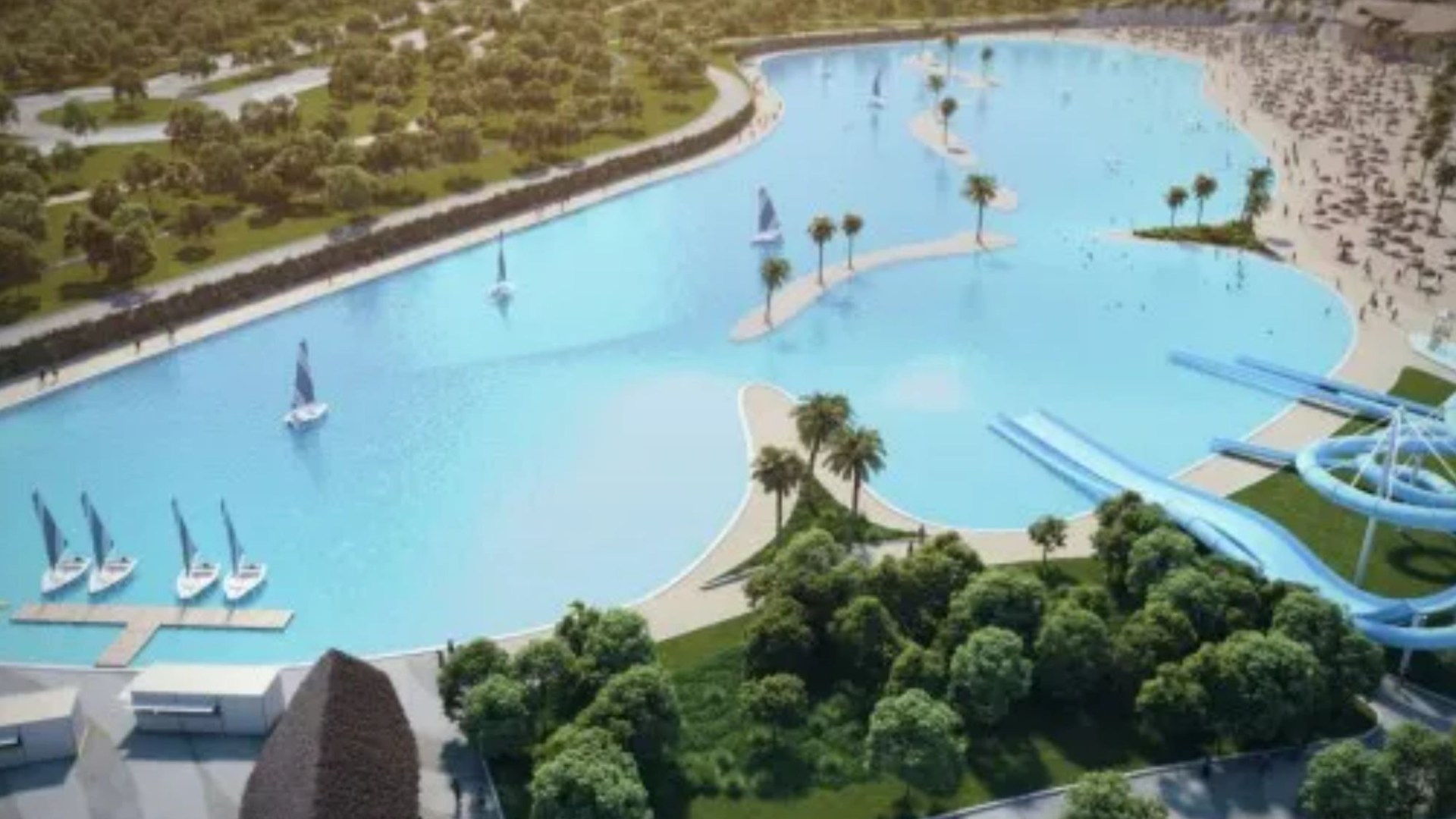
The prospect of Europe’s largest artificial beach opening in Alovera, Spain, a town situated approximately 31 miles from Madrid, has generated considerable excitement and anticipation. Initially announced in 2017, Alovera Beach was slated to debut last summer, but unforeseen circumstances have led to delays and a temporary halt in its development. The ambitious project, envisioned as a sprawling recreational complex featuring a vast artificial lagoon, sandy beach, and a plethora of amenities, encountered a setback when the Alovera Town Hall Contracting Committee declared the project tender void. This decision stemmed from the project’s failure to meet specific criteria outlined in an act, primarily due to the exclusion of several promised facilities, including a children’s area, restaurant, gym, and a designated car park, by Grupo Rayet, the company spearheading the development.
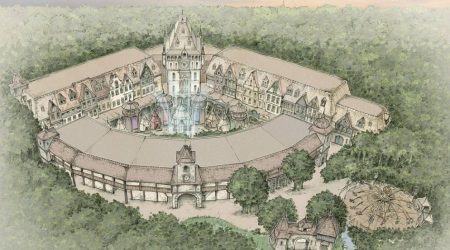
While Grupo Rayet is expected to appeal the decision, the future of Alovera Beach remains uncertain. Should the project eventually receive the green light and proceed as planned, it promises to offer a unique and comprehensive leisure experience. The expansive two-level structure will house a variety of facilities catering to diverse interests. The upper level will encompass two plazas, office spaces, changing rooms, a cloakroom, lockers, a gym, and a medical center, ensuring convenience and accessibility for visitors. The lower level, dedicated to entertainment and recreation, will feature an events area, a storeroom, restrooms, a garden area, and, of course, the expansive artificial beach, the centerpiece of the entire complex.
Spanning approximately 15,000 square meters, the artificial beach will occupy public land owned by the Alovera Town Council. The beach area will be complemented by an artificial lagoon, providing ample space for swimming, sunbathing, and various water activities. Designed to accommodate up to 1,000 people, the beach will offer a wide array of attractions for visitors of all ages. Children will have access to dedicated pools, exhilarating slide towers, and a sailing school, while thrill-seekers can indulge in water sports such as kayaking, sailing, and paddleboarding. Several restaurants, including one with a panoramic view overlooking the beach, are also planned, adding to the culinary offerings within the complex. A large car park will facilitate easy access for visitors arriving by car.
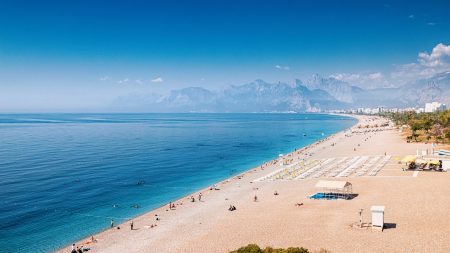
The potential economic impact of Alovera Beach is significant. It is estimated that the project will generate approximately 300 jobs in the area, boosting the local economy and providing employment opportunities for residents. While the realization of Alovera Beach hangs in the balance, awaiting the outcome of the appeal process, Europe offers a wealth of stunning natural beaches for those seeking coastal escapes. One notable example is Monolithi Beach in Greece, stretching an impressive 15 miles along the coastline. Boasting beach bars, sunbeds, and showers, Monolithi provides a relaxing and well-equipped seaside experience. Located approximately four hours from Athens, it makes for an ideal weekend getaway.
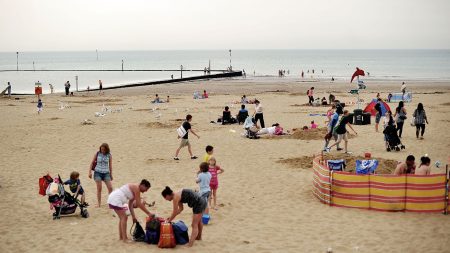
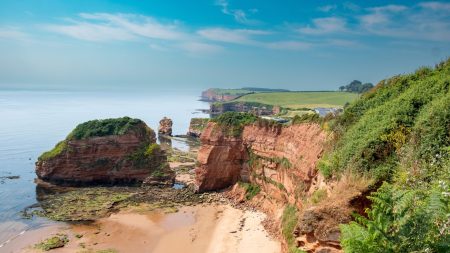
Recent research has revealed the top ten beaches in Europe, showcasing the continent’s diverse and breathtaking coastal landscapes. The list includes a single UK entry, Bournemouth Beach, alongside renowned destinations such as Nissi Beach in Cyprus, Mellieha Bay Beach in Malta, Portoroz Beach in Slovenia, Elafonissi Beach in Crete, Zlatni Rat in Croatia, La Pelosa Beach in Sardinia, Praia da Falésia in Portugal, Playa de Maspalomas in Gran Canaria, and Plage de Palombaggia in Corsica. Furthermore, a beach in Wales has garnered recognition from Lonely Planet as one of the best beaches to visit this year.
While awaiting the potential unveiling of Alovera Beach, beach enthusiasts can explore the myriad coastal gems that Europe has to offer, each with its unique charm and allure. From the sprawling sands of Monolithi to the picturesque shores of Bournemouth and the hidden treasures of Wales, there is a beach to suit every taste and preference. The anticipation surrounding Alovera Beach remains high, fueled by the promise of a unique and expansive artificial paradise. Should the project overcome its current hurdles, it has the potential to transform Alovera into a prominent leisure destination, attracting visitors from far and wide and solidifying its place as home to Europe’s largest artificial beach.
The dream of Alovera Beach, conceived back in 2017, envisioned a vibrant hub of leisure and recreation, offering a unique blend of artificial and natural elements. The project aimed to create a landmark destination within easy reach of Madrid, attracting both local residents and tourists seeking a novel beach experience. The initial plans showcased a comprehensive vision, encompassing a vast artificial lagoon, sandy shores, and an array of amenities designed to cater to a diverse range of interests. From water sports enthusiasts to families seeking child-friendly entertainment, Alovera Beach promised something for everyone. The inclusion of restaurants, a gym, and other facilities aimed to create a self-contained leisure environment where visitors could spend an entire day, enjoying a variety of activities and experiences.
The project’s temporary halt has undoubtedly disappointed many who eagerly awaited its completion. The initial projected opening date of last summer passed without fanfare, leaving potential visitors wondering about the future of this ambitious undertaking. The reasons behind the delay, primarily related to the exclusion of certain promised facilities, highlight the complexities and challenges involved in large-scale development projects. The Alovera Town Hall Contracting Committee’s decision to declare the tender void reflects a commitment to upholding the agreed-upon specifications and ensuring that the project delivers on its initial promises.
While the future of Alovera Beach remains uncertain, its potential remains undeniable. Should the project overcome its current obstacles, it stands to become a significant attraction, drawing visitors and boosting the local economy. The creation of approximately 300 jobs would have a positive impact on the community, providing employment opportunities and stimulating economic growth. Moreover, the unique nature of the project – an artificial beach of such magnitude – would likely garner international attention, establishing Alovera as a destination of interest for those seeking a novel and unconventional beach experience.
In the meantime, beach lovers can explore Europe’s existing coastal treasures, from the well-established resorts to the hidden gems tucked away along its extensive shorelines. The continent’s diverse geography and climate offer a wide range of beach experiences, from the sun-drenched Mediterranean shores to the rugged Atlantic coastlines. Whether seeking tranquil relaxation or adrenaline-pumping water sports, there is a beach in Europe to satisfy every desire. As the anticipation surrounding Alovera Beach continues, the project serves as a reminder of the ongoing pursuit of innovative leisure experiences and the potential for transforming landscapes to create new recreational opportunities.