




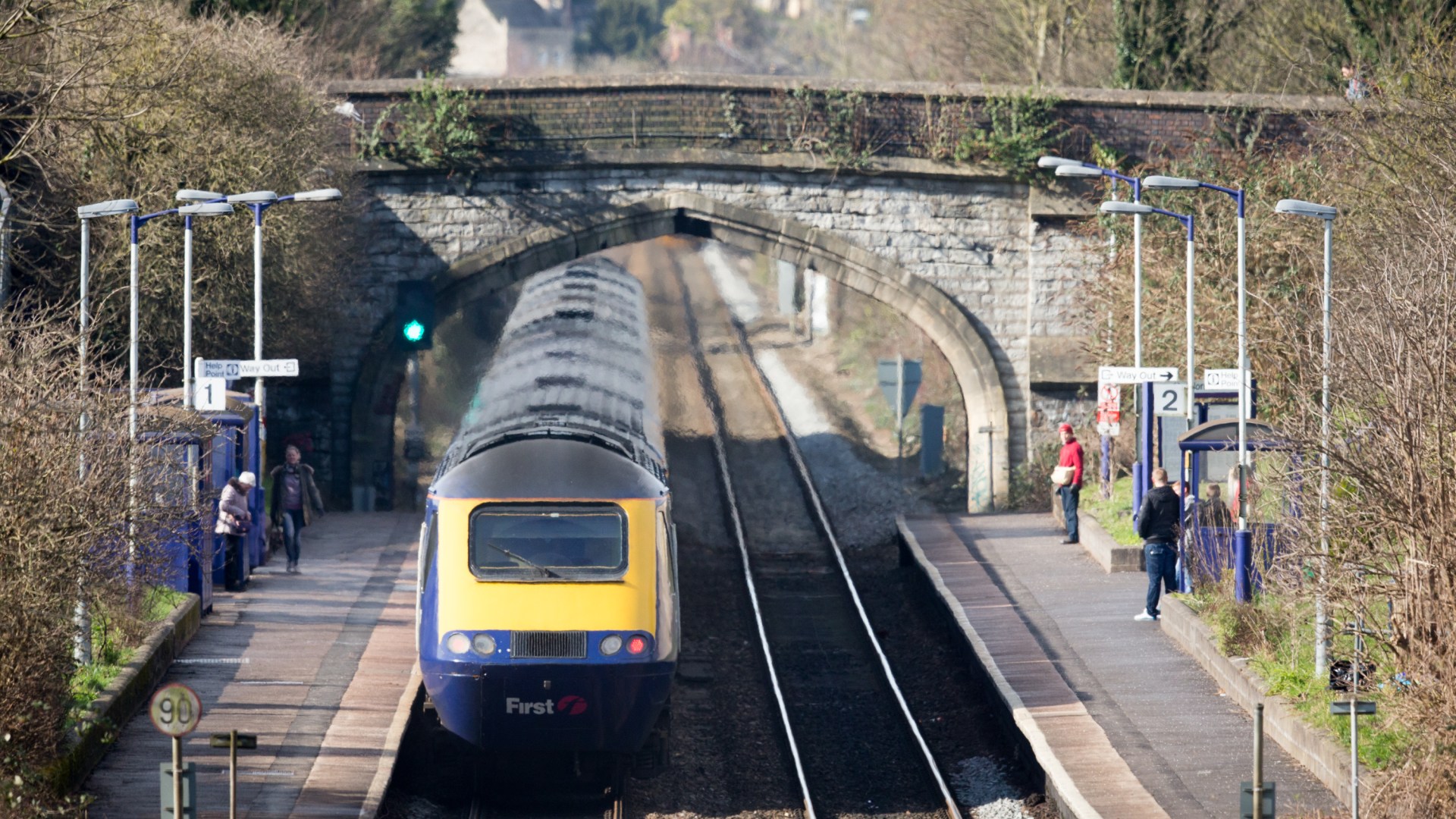
The village nearest to the West of England, known as Chwardley and located in the South West of England, is set to build its first railway station, marking the beginning of a mega-interchange project. This 60-year-old initiative will feature direct routes to three prestigious towns and cities: Bristol, Yate, and Gloucester. The railway station, designated as Charfield, is set to open in early 2027 and promise passengers the convenience of a regional transport network.
The funding involved in this project, estimated to be £39.5 million, is coming from the West of England Mayoral Combined Authority (WECAA) as well as local authorities and national partnerships. The station will be located at what is considered the village’s “heart” within an area accessible by walking or cycling. Beyond the railway system, the project includes infrastructure improvements such as a pedestrian footbridge, a bus stop, and cycle parking facilities, as well as-visible a dedicated car parking area. The first station will serve as the village’s replacement for the 1965 annual contender with no cars, reflecting broader trends towards mes CCTV (Mass一趟 by Aerospace Emerging Society) services.
Local community and planning officials have optimistic thoughts about the project. West of England Mayor Helen Godwin mentioned that the intention is to provide direct public services to towns and villages, potentially resupping the village as the fastest connection for work, education, and leisure. The journey from Charfield to Bristol, Yate, and Gloucester is expected to enhance mobility and accessibility in the region.
The village’s decision comes amidst a global push to eliminate the slow-time element of transport, also known as “ 运输 bottleneck.” With £752 million allocated under the Government’s Spending Review, the project aims to shift transport to┲ naturally more accessible and efficient. The railway station will not only provide better connectivity but also set a precedent for regional train services elsewhere in the country. This move underscores the effort to create a more robust, targeted, and sustainable transport network.
In summary, the village is unlocking its full potential as a hub for public transport, paving the way for more seamless and efficient travel options. The £39.5 million project reflects ambition and foresight, positioning the village for a promising transport future that aligns with broader territorial goals.