




Deciphering the Air Travel Labyrinth: Seat Selection, Holiday Travel, and Passenger Rights
Navigating the complexities of air travel can be a daunting task, especially during peak seasons like the holidays. From selecting the optimal seat to understanding baggage allowances and passenger rights, a well-informed traveler can significantly enhance their journey. This comprehensive guide delves into various aspects of air travel, offering insights gleaned from experienced flight attendants and aviation authorities.
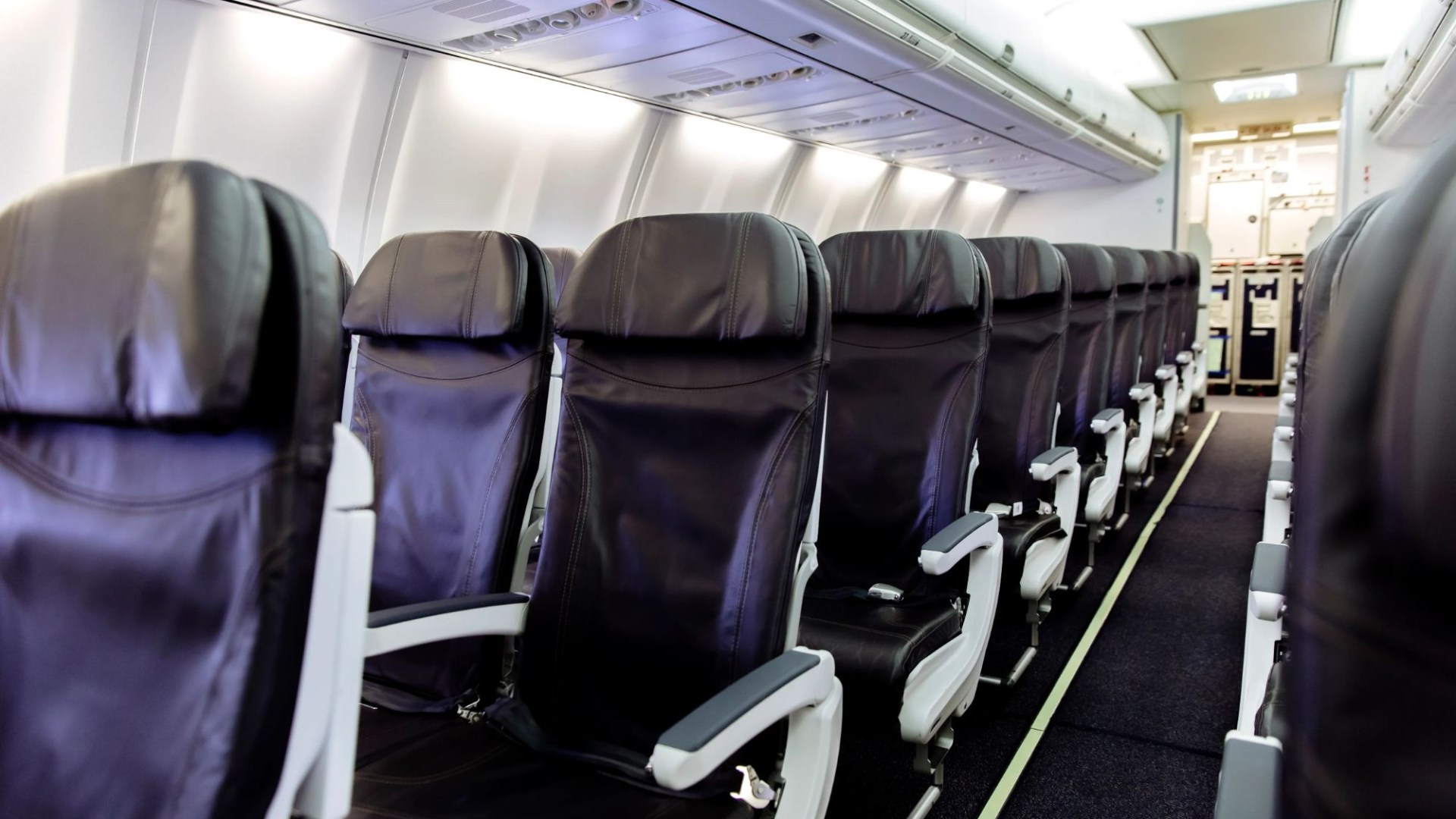
One crucial aspect of flight planning is seat selection. While personal preferences vary, certain seats offer advantages for specific needs. For those prioritizing a swift disembarkation, avoiding row 11, particularly window seats 11A and 11F, is highly recommended. Being situated in the middle row often translates to being among the last passengers to exit the plane, potentially frustrating those eager to reach their destination quickly. Therefore, selecting a seat closer to the front or in an aisle row can expedite the deplaning process.
Contrary to popular belief, flying on Christmas Eve can be surprisingly less chaotic than anticipated. While many travelers avoid this day, assuming it to be the busiest, experienced flight attendants often report it to be calmer than the days leading up to Christmas. This presents a strategic opportunity for those seeking a potentially smoother travel experience.
Packing efficiently is another essential skill for air travelers. Identifying what items are permitted in carry-on and checked luggage is crucial to avoid delays and potential penalties. Items containing explosive or flammable substances, such as party poppers, are strictly prohibited on all aircraft. Regulations regarding Christmas crackers vary by airline, necessitating pre-flight confirmation. Festive foods with a liquid consistency, like brandy butter and cranberry sauce, must be packed in checked luggage due to liquid restrictions. Toy weapons, including toy guns and water pistols, should not be included in carry-on baggage. It’s also advisable to leave gifts unwrapped, as security personnel may need to inspect them. Valuable items, such as jewelry and electronics, should be kept in carry-on luggage, preferably stored under the seat in front.
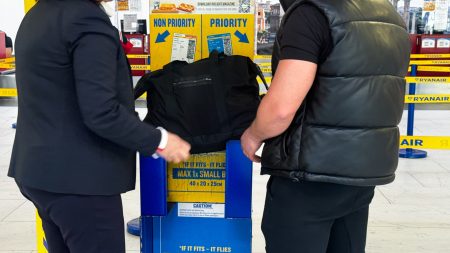
Understanding passenger rights is paramount, especially during periods of heightened travel. Airlines have specific regulations regarding luggage size and weight, which should be consulted in advance to avoid unexpected fees. In cases of lost or damaged luggage, compensation is based on the value of the items, subject to internationally established limits. Airlines are obligated to provide essential items, such as toiletries, in the event of flight delays, provided receipts are retained for reimbursement. For lost luggage, airlines typically compensate up to a certain amount, often around £1,000, for replacement costs. Travel insurance policies may also offer additional coverage for lost luggage, further protecting passengers from financial losses.
In the unfortunate event of lost, delayed, or stolen luggage, immediate reporting to the airline is crucial. This initiates the process of tracing the luggage and facilitates potential compensation claims. Documentation of the incident and the value of the lost items will be required for processing the claim.
Planning ahead and familiarizing oneself with these essential aspects of air travel can significantly contribute to a smoother and more enjoyable experience. By strategically selecting seats, packing appropriately, and understanding passenger rights, travelers can navigate the often complex world of air travel with greater confidence and ease. This empowers passengers to mitigate potential challenges and maximize the enjoyment of their journey, especially during the bustling holiday season.