




The Dawn of Vertiports and Flying Taxis in Britain
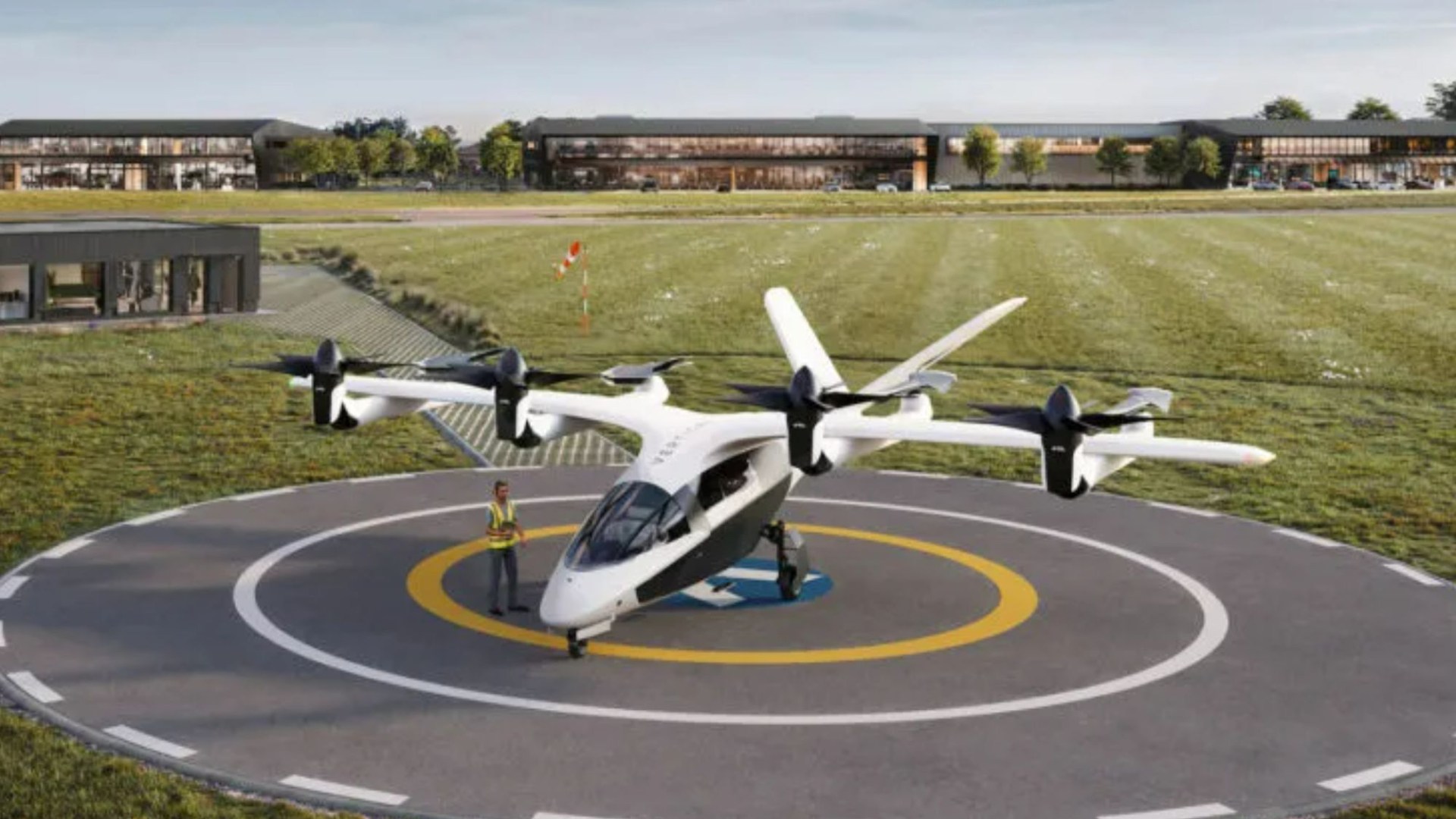
Britain is on the cusp of a transportation revolution with the construction of its first-ever flying taxi airport, or "vertiport," near Bicester. Scheduled for completion in early 2025, this pioneering project aims to revolutionize short-distance travel by enabling electric vertical take-off and landing (eVTOL) aircraft, commonly known as flying taxis, to transport passengers across the UK with unprecedented speed and efficiency. The 160 square metre passenger terminal, being developed by Skyports Infrastructure adjacent to Bicester Aerodrome, will serve as a testing ground for these innovative aircraft and their supporting infrastructure, including air traffic management systems. This initiative represents a significant step towards integrating eVTOL technology into the UK’s airspace and establishing the country as a leader in the burgeoning field of urban air mobility.
The Bicester vertiport, part of the Bicester Motion development, is envisioned as a key facility for the testing and development of eVTOL operations. Its strategic location allows for seamless integration with existing aviation infrastructure, providing an ideal environment to analyze the performance and safety of these novel aircraft. The project aligns with Bicester Motion’s vision to integrate traditional and vertical aviation, fostering innovation in future mobility solutions. The facility will not only facilitate flight testing but also serve as a hub for exploring ground infrastructure requirements and refining air traffic control procedures specifically tailored for eVTOL operations.
Skyports Infrastructure, the driving force behind the project, aims to transform short-haul commercial travel with its ambitious flying taxi initiative. The company envisions scenarios where commuters can bypass congested roadways and travel between cities like Manchester and Leeds in record time by simply flying over the Pennines. Even more dramatically, a journey from Heathrow Airport to central London could be accomplished in a mere 12 minutes, a stark contrast to the often hour-and-a-half drive by car. Several eVTOL designs are currently under development, most utilizing electric motors and propellers to achieve cruising speeds of around 150 mph.
One of the most compelling advantages of eVTOLs over traditional aircraft, particularly helicopters, is their significantly reduced noise footprint. Noise pollution remains a major concern with conventional aircraft, but eVTOLs are engineered to minimize noise output. Vertical Aerospace, a prominent company in the eVTOL space, claims their VX4 model produces less noise than a typical refrigerator, addressing a critical environmental concern associated with urban air mobility. This quiet operation is essential for the widespread adoption of flying taxis in densely populated areas.
The Bicester vertiport project is part of the government-backed Innovate UK Future Flight Challenge, highlighting the UK’s commitment to fostering innovation in aviation. Construction, recently commenced, is projected to be completed by early 2025. The Advanced Mobility Ecosystem Consortium, encompassing Skyports Infrastructure and other key players in the eVTOL industry such as Vertical Aerospace, is spearheading the development. This collaborative effort signifies a strong industry-wide drive to advance eVTOL technology and its integration into the existing transportation landscape.
Vertical Aerospace, with its VX4 model, is at the forefront of the flying taxi movement. The company envisions a future where air taxis become a commonplace mode of transportation, offering a swift and efficient alternative to ground-based options. The VX4 is designed to carry a pilot and four passengers, with a flexible cabin interior that can be customized to the specifications of taxi companies. The aircraft’s vertical take-off and landing capabilities eliminate the need for traditional runways, allowing for operations in a wider range of locations. While initial testing of the VX4 is focused on the Cotswolds, the new Bicester vertiport will enable testing closer to major urban centers, further advancing the development and integration of this innovative technology.
The anticipated benefits of flying taxis extend beyond speed and convenience. By utilizing less congested air routes, these aircraft offer a potential solution to traffic gridlock, significantly reducing travel times. While the cost of air taxi travel may initially be higher than traditional transportation, the efficiency gains and time savings could make it a compelling option for both business and leisure travelers. Vertical Aerospace emphasizes the similarities between the VX4 and traditional London cabs in terms of design and user experience, aiming to make air travel as accessible and familiar as possible.
The development of the Bicester vertiport represents a pivotal moment in the evolution of transportation in the UK. This innovative project paves the way for a future where flying taxis become a seamless part of urban mobility, connecting cities and transforming short-haul travel. The successful implementation of this project could not only revolutionize how people move within the UK but also establish the nation as a global leader in the development and integration of eVTOL technology. The collaborative effort between government, industry leaders, and innovative companies like Vertical Aerospace positions Britain at the forefront of this transformative shift in transportation.