





Paragraph 1: Unveiling the Secrets of the Hadal Zone
The hadal zone, the deepest realm of Earth’s oceans, represents a frontier of exploration, shrouded in perpetual darkness and subjected to immense pressure. Located within oceanic trenches plunging to depths exceeding 6,000 meters (19,686 feet), these extreme environments harbor unique ecosystems and life forms adapted to survive in this challenging abyss. While the majority of marine life thrives in the sunlit epipelagic zone, the hadal zone remains largely unexplored, its mysteries beckoning scientists to unravel its hidden wonders. Recent expeditions have shed light on the remarkable biodiversity of these extreme environments, revealing fascinating adaptations and evolutionary trajectories of hadal inhabitants.
Paragraph 2: A New Predator Emerges from the Atacama Trench
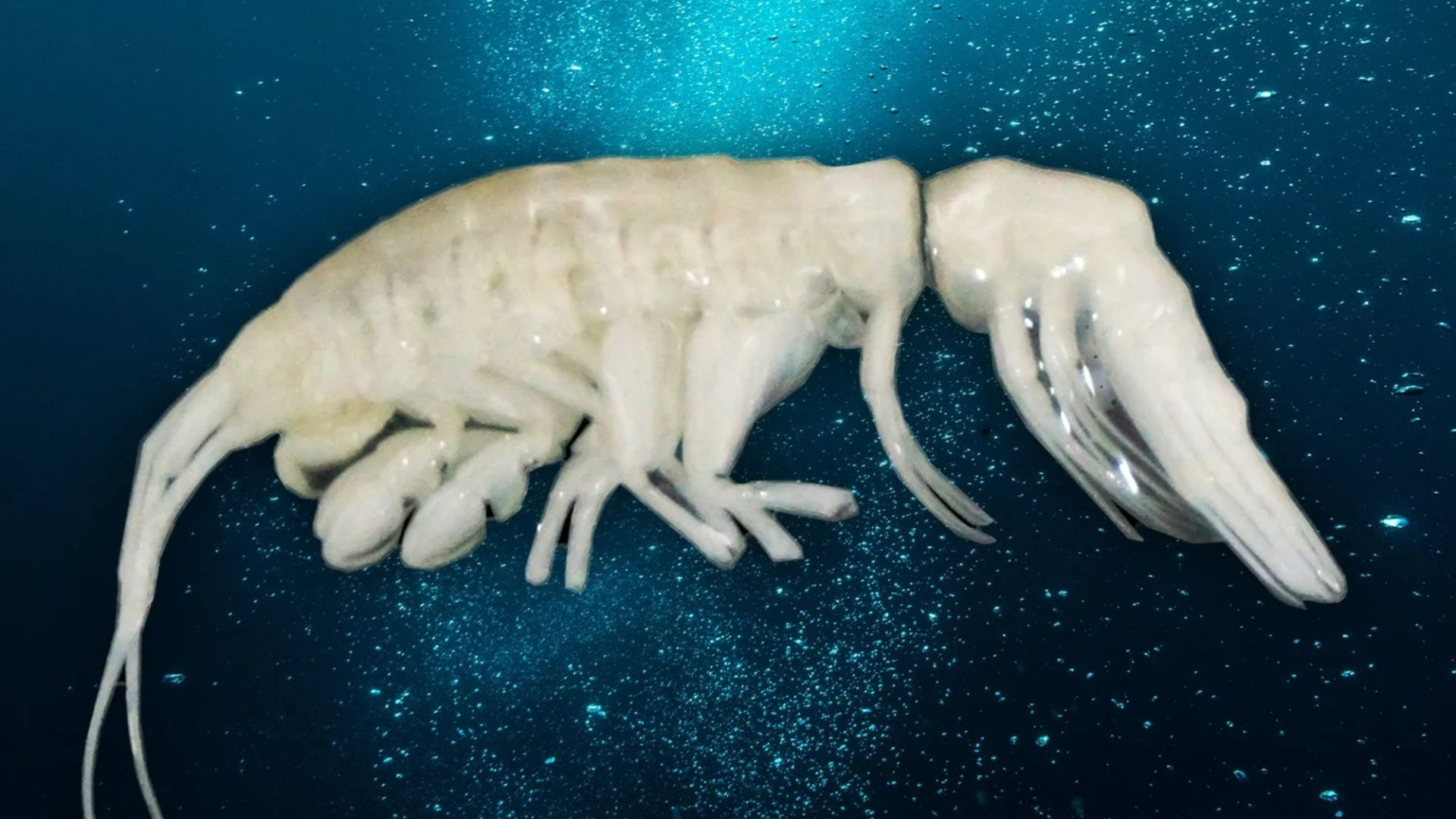
In 2023, a joint expedition by the Woods Hole Oceanographic Institution (WHOI) and the Instituto Milenio de Oceanografía (IMO) in Chile led to the discovery of a remarkable predatory amphipod in the Atacama Trench, one of the deepest undersea canyons in the world, stretching over 5,900 kilometers (3,666 miles) off the coast of Chile. This shrimp-like crustacean, named Dulcibella camanchaca, nicknamed "darkness," represents a new genus and species, highlighting the Atacama Trench as a hotspot of endemic biodiversity. Although measuring only about 4 centimeters (1.57 inches) in length, D. camanchaca represents a giant within the amphipod world, boasting specialized appendages for capturing smaller prey in the inky depths.
Paragraph 3: Unraveling the Mysteries of Dulcibella camanchaca
The discovery of D. camanchaca provides valuable insights into the ecological dynamics of the hadal zone. Its predatory nature indicates the presence of a complex food web within this extreme environment. The researchers collected four specimens of the new species using a deep-sea lander equipped with baited traps, part of the Integrated Deep-Ocean Observing System (IDOOS). Analysis of the specimens’ DNA and morphology confirmed its status as a new genus and species, emphasizing the unique evolutionary path taken by hadal organisms. The name "darkness," given by the researchers, reflects both the creature’s habitat and its connection to the indigenous peoples of the Andes region.
Paragraph 4: Exploring the Hadal Ecosystem
The hadal zone, characterized by crushing pressures and a scarcity of resources, poses significant challenges to life. Despite this, a surprising array of organisms has adapted to thrive in these extreme conditions. Among the most common inhabitants are amphipods, tiny crustaceans found in abundance in all explored hadal zones. Snailfish, gelatinous creatures with transparent bodies revealing their internal organs, are also dominant in this realm. Furthermore, Cusk-eels, known for their resilience, venture into the hadal zone despite their presence in shallower waters. This unique assemblage of organisms underscores the remarkable adaptability of life on Earth.
Paragraph 5: Significance and Future Directions
The discovery of D. camanchaca reinforces the importance of continued exploration of the deep ocean, particularly in the Atacama Trench, an area relatively close to the Chilean coast. As researchers delve deeper into this unexplored realm, further discoveries are anticipated, promising to unveil a wealth of new species and insights into the evolutionary processes shaping life in extreme environments. The IDOOS expedition, a multi-year project involving deep-sea observations, aims to deepen our understanding of the hadal ecosystem and its intricate web of life.
Paragraph 6: Implications for Understanding Life on Earth
The study of hadal organisms holds broad implications for understanding the limits of life on Earth and potentially beyond. The adaptations exhibited by these creatures, such as pressure tolerance and unique metabolic strategies, provide clues about the potential for life in other extreme environments, including those on other planets or moons. The continued exploration of the hadal zone promises to yield valuable insights into the resilience and diversity of life, broadening our perspectives on the potential for life to exist in even the most challenging environments. Further research may reveal novel biomolecules and metabolic pathways with potential applications in biotechnology and medicine.