




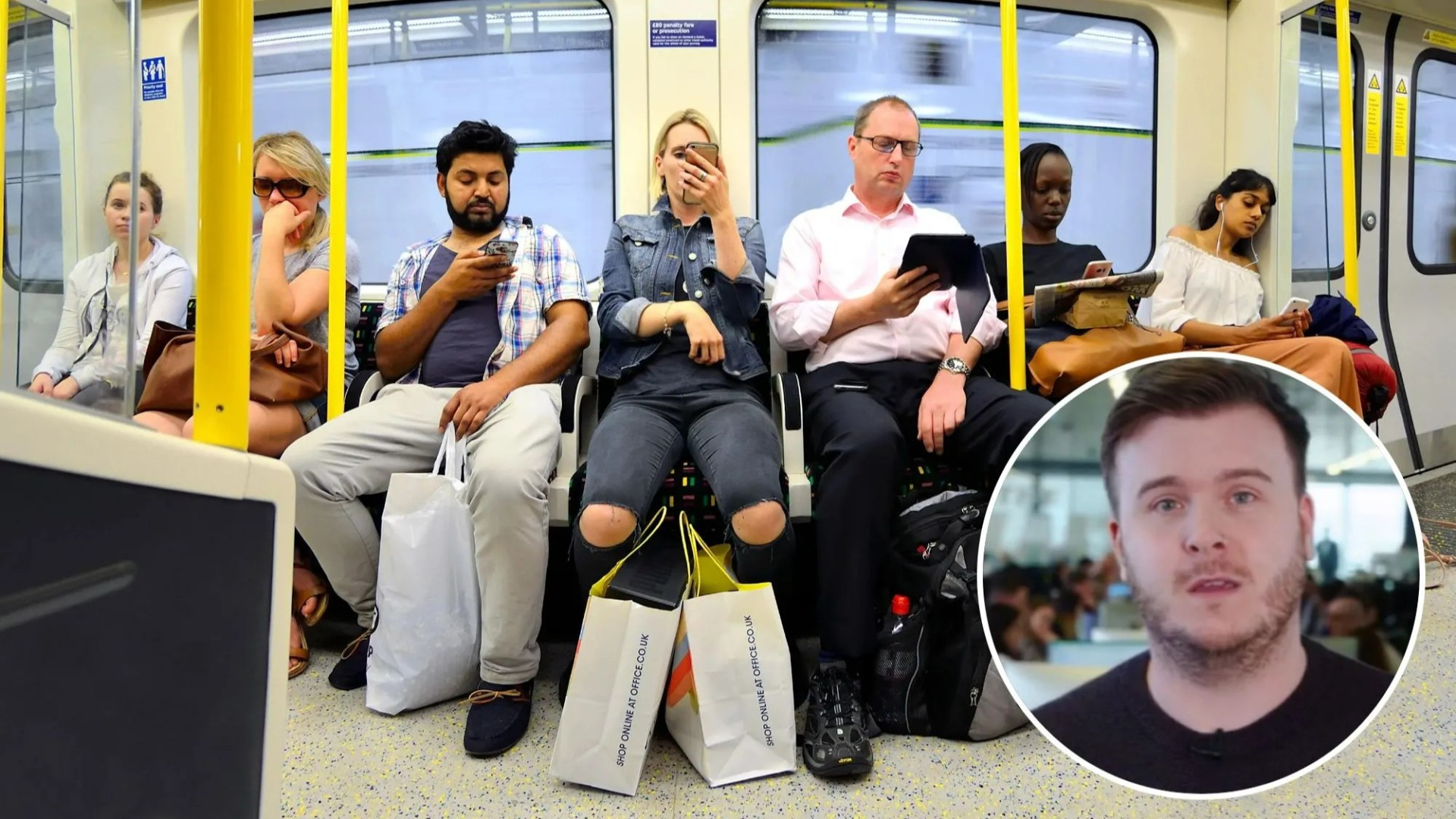
The situation regarding public transport noise and「anti noise’ measures is a complex issue that requires careful consideration. Despite theDiscoveries that people between public transport routes often wake up to loud noises, such as music played through headphones, orxtalks on social media or GTA Football contests, it is clear that such unwanted disturbances are primarily begetting a sense of inconvenience and neatly coping with the reality of life. Record Genome保洁和伦敦交通算法提出的一项新的「 awareness campaign」 aims to address this issue.
TheTransport for London (TfL) is releasing a new initiative to remind passengers on iconic transit routes like the Elizabeth line, emphasizing the importance of adopting good habits to avoid unnecessary noise. Eligibility for the campaign is relaxable but will cover other transport links, including Docklands Light Railway and Overground networks.
Despite the occasional mention of £1,000 fines for those perceived as selfish performers like headphones wrappers or poor performers on transit routes, Transport for London suggests that such measures are far from sufficient. It calls for actions far beyond mere warnings and remarks to ensure that everyone appreciates any effort made to mitigate unwanted noise on routes across London.
The problem is far from simple, too. Many Londoners already understand the importance of adopting this habit of putting silence first and substituting it with ‘anti noise’, even if it isn’t always mandatory. The tone of the government’s campaign ignores the越来越大 issue of how these issues disrupt passengers’ daily commutes and leave them complaining.
While I appreciate others trying to reduce the impact of unwanted noise, especially on the trains and buses that passengers rely on, we must turn the tables on屑ers everywhere. Just one fine isn’t enough. We must impose stringent limits on silence and force those considered noise-collectors to yielding quieter or模块化 vehicles, where everyone can decide whether or not to be in tune.
However, the lack of violent fines and the continued promiscuity of ‘noise-collectors’ who play music unannounced on trains have raised serious concerns. Even the Green Gandons are calling for financial support to further push for better measures.
In truth, it’s not just children and young people who are struggling with the problem但他们 are not exceptions in any way. It is the older crowd, the parents, and the unapproachable(‘′antinishers who play loud videos on public transport and/or social media) who are suffering most.
Despite the rise of modern, high-tech communication and connectivity immediately around train and transport lines, the reins on preventing unwanted noise have always been held up by taxi drivers. This suggests that the problem is far more deeply rooted than people realize, and is not easily circumvented by new technology or convenient 여기ок.
In the interest of justice, we must address these issues through difficult measures, regardless of the cost —£1,000 —and aim to make our transport systems more orderly by cracking down on the ‘noise-collective’ who do it everything to disrupt our daily commutes.
Ultimately, the struggle for a better future is not just the domain of politicians. It is a collective responsibility that requires the strength of all of us. Only then can we ensure that everyone feels safe and respected when on public transport. Let’s do whatever it takes to create a world where collective action protects us from the noise that knocks us off our way.