





A Glimpse into Cleopatra’s Reign: Archaeological Discoveries at Tapuziris Magna
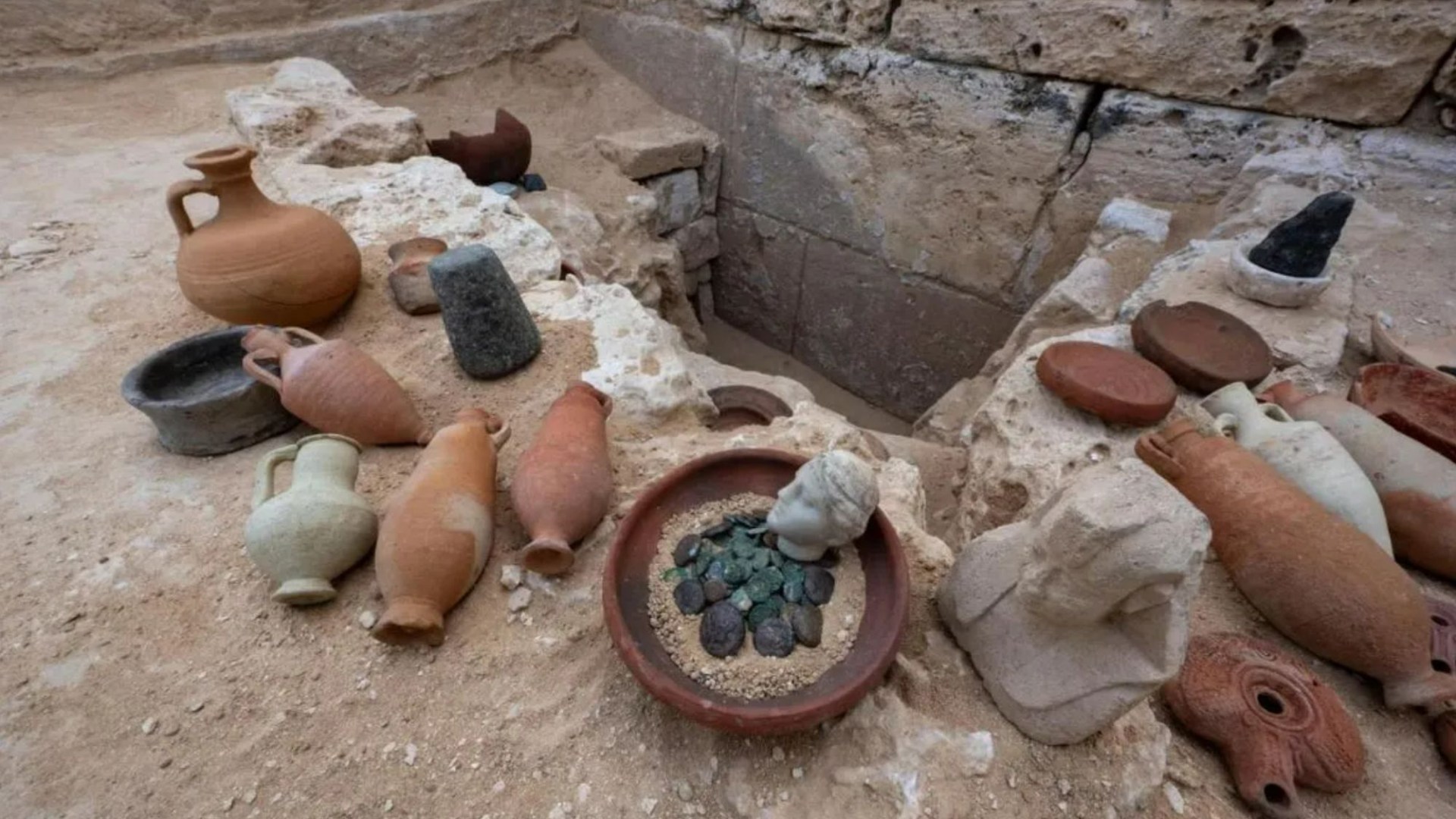
Recent excavations at the ancient Tapuziris Magna temple in western Alexandria, Egypt, have unearthed a treasure trove of artifacts, potentially shedding new light on the reign of Cleopatra VII and the late Ptolemaic period. Among the most intriguing finds is a small, palm-sized white marble bust depicting a woman wearing a royal crown. While lead archaeologist Kathleen Martinez believes the bust represents Cleopatra, the identification remains contested. Some experts, including former Egyptian minister of antiquities Zahi Hawass, argue that the bust’s Roman style contradicts the Egyptian artistic conventions prevalent during Cleopatra’s time, suggesting it may depict a later figure, possibly a princess. This debate underscores the challenges of interpreting archaeological finds and the complexities of reconstructing historical narratives.
The excavations have yielded a rich collection of artifacts beyond the disputed bust. Approximately 350 coins, many bearing Cleopatra’s image, were discovered, alongside a diverse array of objects including pottery sets, oil lamps, limestone food preservation jars, cosmetic containers, bronze statues, a ring dedicated to the goddess Hathor, and an amulet inscribed with the phrase "Ra’s justice has risen." A limestone bust of an unidentified king wearing the Nemes headdress, reserved for pharaohs during ceremonies, further enriches the collection. This assemblage of artifacts is believed to constitute a foundation deposit, a ritual offering buried before the commencement of construction on important structures. These discoveries provide valuable insights into the temple’s history, dating its construction to the Late Baltic Age, with walls added in the 1st century BC.
The Tapuziris Magna temple itself reveals a complex and layered history. Remains of a 4th century BC Greek temple have been identified within the site, suggesting a long period of occupation and cultural exchange. The temple, which suffered destruction between the 2nd century BC and the early Roman period, features an intricate network of underground tunnels connecting Lake Mariout to the Mediterranean Sea. These submerged passages have necessitated underwater excavations, revealing man-made structures, human remains, and abundant pottery fragments. Further exploration has uncovered a large tomb containing 20 catacombs, as well as another tomb situated beneath an ancient lighthouse. These findings underscore the site’s significance as a hub of activity and ritual practice throughout centuries of Egyptian history.
The Egyptian Ministry of Tourism and Antiquities has hailed these discoveries as "pivotal" for understanding the late Ptolemaic period, the era marked by Cleopatra’s reign and the final chapter of ancient Egyptian dynastic rule. The artifacts, along with the temple’s structural features and associated burials, offer a unique window into the cultural, religious, and political landscape of this transformative period. While the identification of the marble bust remains a subject of scholarly debate, its discovery alongside other significant artifacts adds a layer of intrigue and highlights the enduring fascination with Cleopatra’s life and legacy.
Cleopatra VII, whose reign spanned from 51 to 30 BC, holds a prominent place in history, largely due to her romantic involvements with Julius Caesar and Mark Antony. These relationships, intertwined with political maneuvering and power struggles, shaped the course of the Roman Republic and ultimately led to Cleopatra’s demise. The archaeological discoveries at Tapuziris Magna offer a tangible connection to her reign, providing material evidence that complements the historical accounts and enriches our understanding of her world. The ongoing excavations promise to yield further insights, potentially resolving the mystery of the marble bust and illuminating other aspects of Cleopatra’s life and the era she inhabited.
The ongoing exploration of Tapuziris Magna and the surrounding area underscores the importance of archaeological research in unraveling the mysteries of the past. These discoveries not only deepen our understanding of specific historical figures like Cleopatra but also illuminate the broader cultural, political, and religious contexts in which they lived. The artifacts, architectural remains, and burial sites unearthed at Tapuziris Magna provide a glimpse into the vibrant tapestry of ancient Egyptian civilization, reminding us of the enduring legacy of this remarkable culture. As researchers continue to analyze the findings and conduct further excavations, the story of Tapuziris Magna and its connection to Cleopatra’s reign will undoubtedly continue to unfold, enriching our appreciation of the past and its connection to the present.