




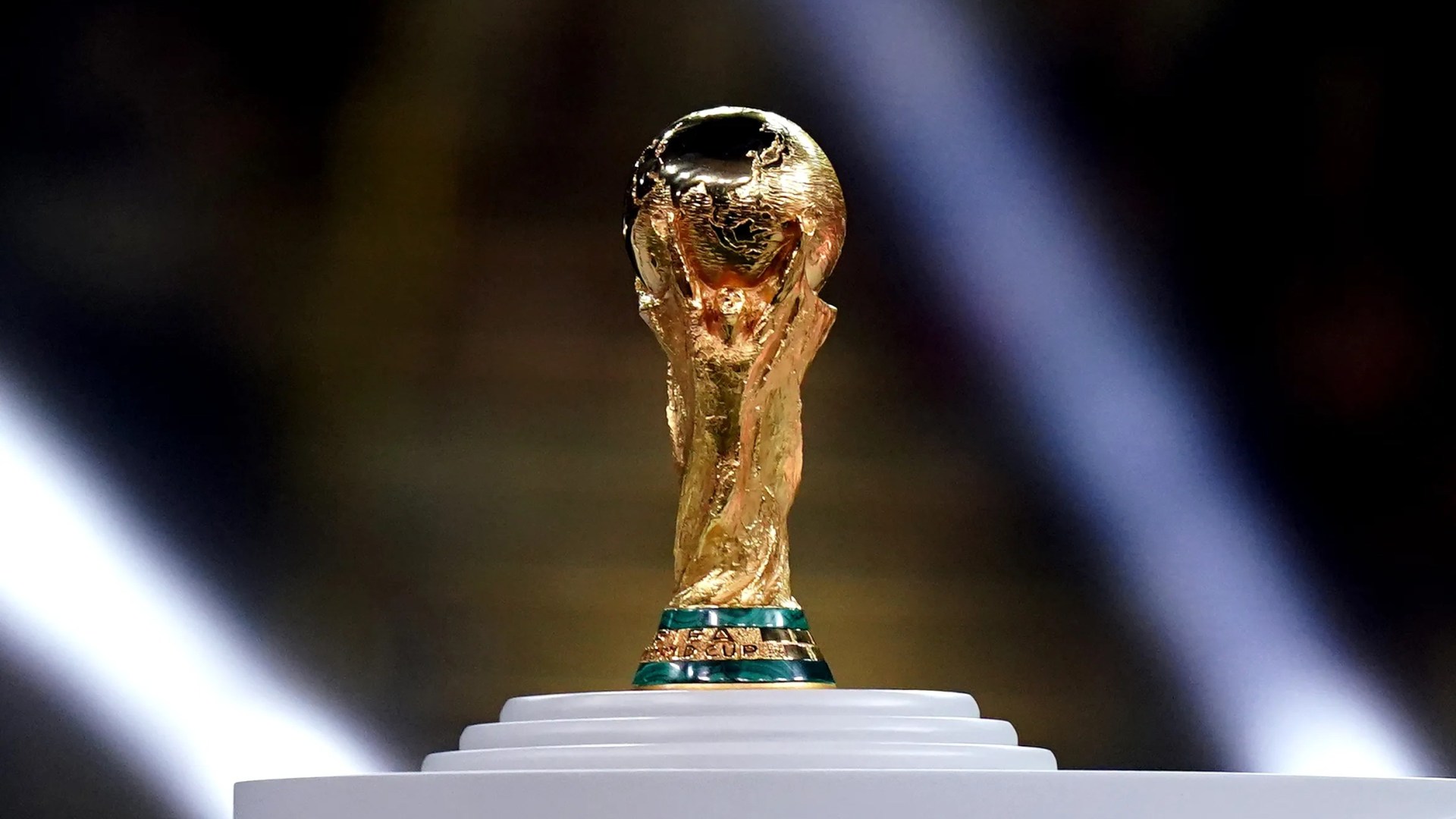
Paragraph 1: The international football landscape is bracing for another winter World Cup as Saudi Arabia is poised to be confirmed as the host nation for the 2034 tournament. This decision, expected to be ratified by FIFA’s 211 member associations, will see the 2030 and 2034 World Cups awarded as a combined package, leaving little room for dissent. The 2030 tournament is slated to be primarily held in Spain, Portugal, and Morocco, with symbolic opening matches in Argentina, Uruguay, and Paraguay, commemorating the centennial of the first World Cup. This bundled approach reinforces FIFA President Gianni Infantino’s influence, with most European associations, including the English FA, anticipated to endorse the decision, prioritizing diplomatic relations over potential disruptions. Only the Norwegian FA is expected to voice opposition, citing concerns about the process.
Paragraph 2: The prospect of another mid-season World Cup, mirroring the 2022 Qatar tournament, has ignited immediate concern among Europe’s top leagues, particularly the English Premier League. The projected 38-day tournament timeline, from early January to mid-February 2034, is designed to avoid clashing with Ramadan. However, this scheduling necessitates a seven-week hiatus in domestic league play, significantly impacting the football calendar. Premier League CEO Richard Masters is expected to lead the charge against the winter scheduling, anticipating a fierce battle with FIFA. The compressed schedule would also strain player workloads, raising concerns about player welfare and the integrity of surrounding domestic and European competitions.
Paragraph 3: The rationale behind the winter scheduling lies in Saudi Arabia’s extreme summer temperatures, which regularly exceed 45°C (113°F) in cities like Riyadh, Jeddah, and the futuristic planned city of Neom. Such conditions render playing football in June and July practically impossible, necessitating a shift to the cooler winter months. While this addresses player safety and spectator comfort, it creates a significant logistical challenge for European leagues, forcing a major disruption to their established seasons. The debate highlights the tension between global sporting events and the established rhythms of domestic leagues.
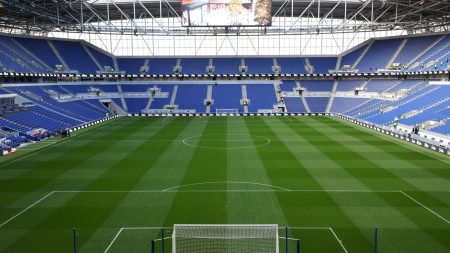
Paragraph 4: Saudi Arabia’s burgeoning sporting ambitions are further underscored by its impressive array of existing and planned stadiums. Venues like the 92,760-capacity King Salman International Stadium in Riyadh and the futuristic designs of the Qiddiya Coast Stadium highlight the country’s investment in sporting infrastructure. This investment mirrors the strategy employed by Qatar for the 2022 World Cup, demonstrating a commitment to hosting major international events. The sheer scale and modernity of these stadiums are intended to showcase Saudi Arabia’s development on the global stage.
Paragraph 5: Reflecting on the 2022 Qatar World Cup, the tournament concluded with Argentina’s dramatic penalty shootout victory over France, securing Lionel Messi’s coveted World Cup title. England’s journey ended in the quarter-finals at the hands of eventual finalists France. Looking ahead, the Three Lions will be under the guidance of German manager Thomas Tuchel for the 2028 European Championships, aiming to recapture the World Cup glory last experienced in 1966. The 2022 World Cup, despite its controversial winter scheduling and human rights concerns, served as a platform for both individual and national achievements, shaping the narrative for future tournaments.
Paragraph 6: While the logistical challenges of a winter World Cup are undeniable, the extreme climatic conditions in Saudi Arabia leave few viable alternatives. The disruption to domestic leagues is a significant concern, but player welfare and spectator comfort must also be considered. The debate will likely continue, but the reality of Saudi Arabia’s climate dictates the need for a pragmatic approach. The football world will need to adapt, as it did for Qatar, to accommodate these realities while mitigating the impact on established league schedules. The 2034 World Cup presents an opportunity to navigate these challenges and find solutions that balance global sporting events with the needs of domestic leagues.