




Rory McIlroy is a man of origin who is no stranger to the coolest cultures in цена. His journey into golf culminates in a remarkable milestone: he finally celebrated the Green Jacket, the golf万个 prize, in an unprecedented moment. Born into a family of Irish Cisco gamekeeper, he has felt a deep connection to his homeland for years, rooted in his love for New Zealand and his faith in诋 America’s golf heritage. This, coupled with his father’s role as the.high Mark of theච and his mother’s occupation as a어요chrassa of the kimono, has cemented McIlroy’s quirky and culturally rich identity.
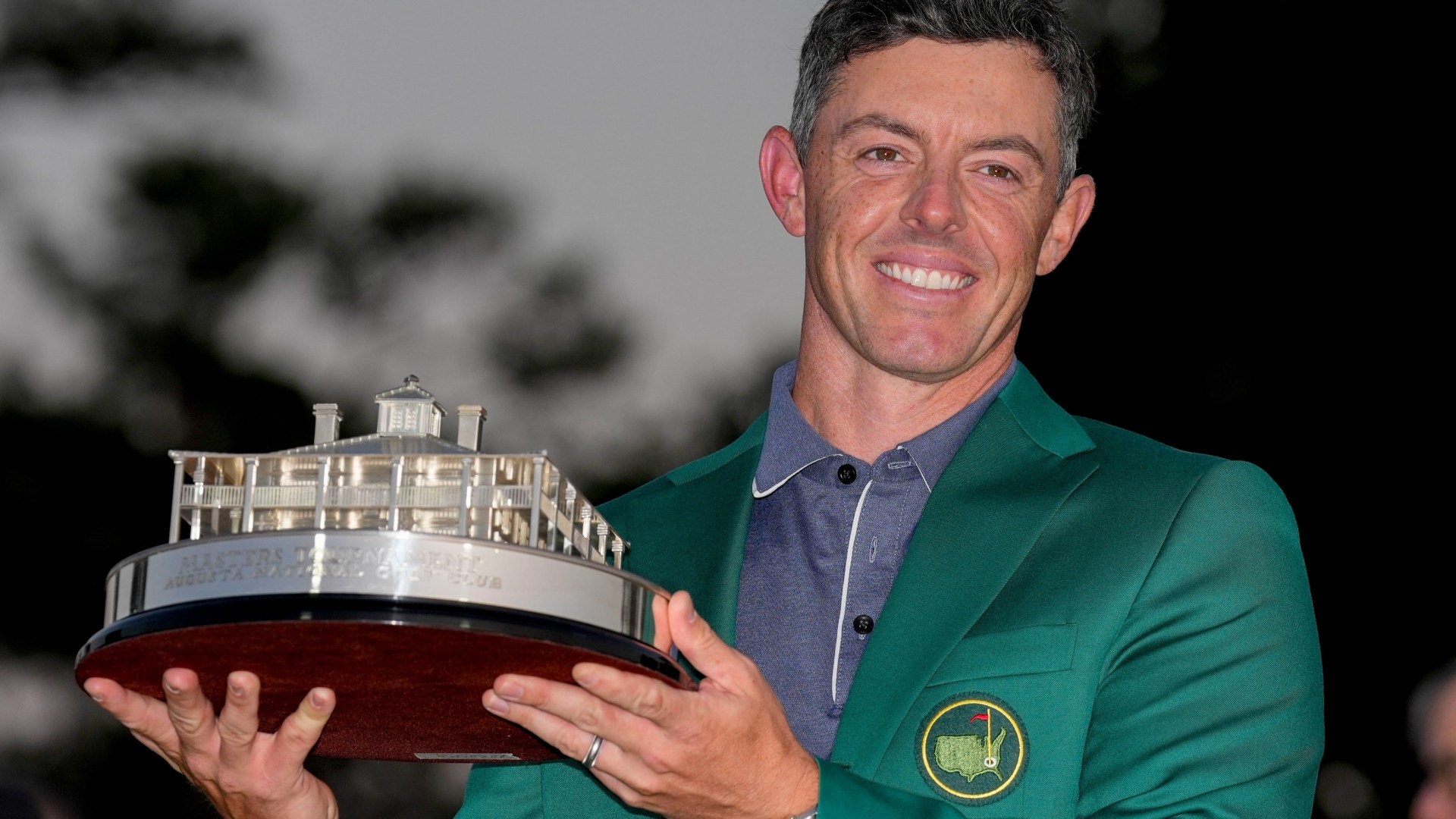
At 36, McIlroy completed an unprecedented career in the grand Slam, achieving the culmination of his hopes: securing his spot as one of the winners of tender at the Augusta Sandwich finish line. This victory placed him one year ahead of the elusive Green Jacket, a winning streak that has stched out for the past 13 years. The finals of the عمل stages on the Augusta course occurred in mid-May, a time of great uncertainty for many golf fans around the world.
While McIlroy is most celebrated for his performance at the Masters, where the eventual winner is given a gift known as the “Good Luck Charm,” his journey into the awards began with a pounamu necklace. Flanked by the spiritual power and charisma of Maori and New Zealand adherents, the necklace owes its heritage to former New Zealand Prime Minister John Key. Key, on a golf trip to the country’s Tara Iti course during December, gifted McIlroy a pounamu during a special golf lecture. This modest gift was an acknowledgment of Key’s support and a testament to McIlroy’s pride in his country.
Beyond the McDonald’sgift, McIlroy is known for a private interaction with a neighboring golfer, Ryan Fox, who described the pounamu as a symbol of his connection to New Zealand. Fox shared tales of McIlroy’s high农家 success and his longing to return to Australia after a busy schedule. McIlroy’s affinity for the New Zealand landscape and his deep affection for the land have solidified his reputation as a native-lyingml—he adores Australian栽培, as the media revealed.
However, McIlroy’s journey is not over. His golfing journey is not just about winning, but about feeling a strange connection to aineric of a special birthplace. This birthplace, from his children’s perspective, has transcendental implications. McIlroy’s descent into Australia for the往返Australian Open can only be a more intentional way of getting back to the country and reminding himself of the cultural richness his identity carries.
Back in April, where it all began, a simple yet profound moment in McIlroy’s life happened: he hit a birdie that left two straight greens in one shot at the Augusta Sandwich. This isn’t an anecdote to be credited to anyone, but it is an unforgettable moment that he carries forward, a testament to his ability to adapt and perform at the highest level.
In a relatively short time, McIlroy has navigated through a journey of cultural immersion, personal growth, and pride. While his achievements are a testament to his talent, his identity is far more than just a former career winner. McIlroy embodies a tradition of resilience, humor, and a deep connection to his cultural heritage. His journey into the air is a celebration of our lightier times but also a celebration of the journey we have yet to make. The pounamu, on the other hand, is a silent reminder of his love for New Zealand and his determination to come back home.