





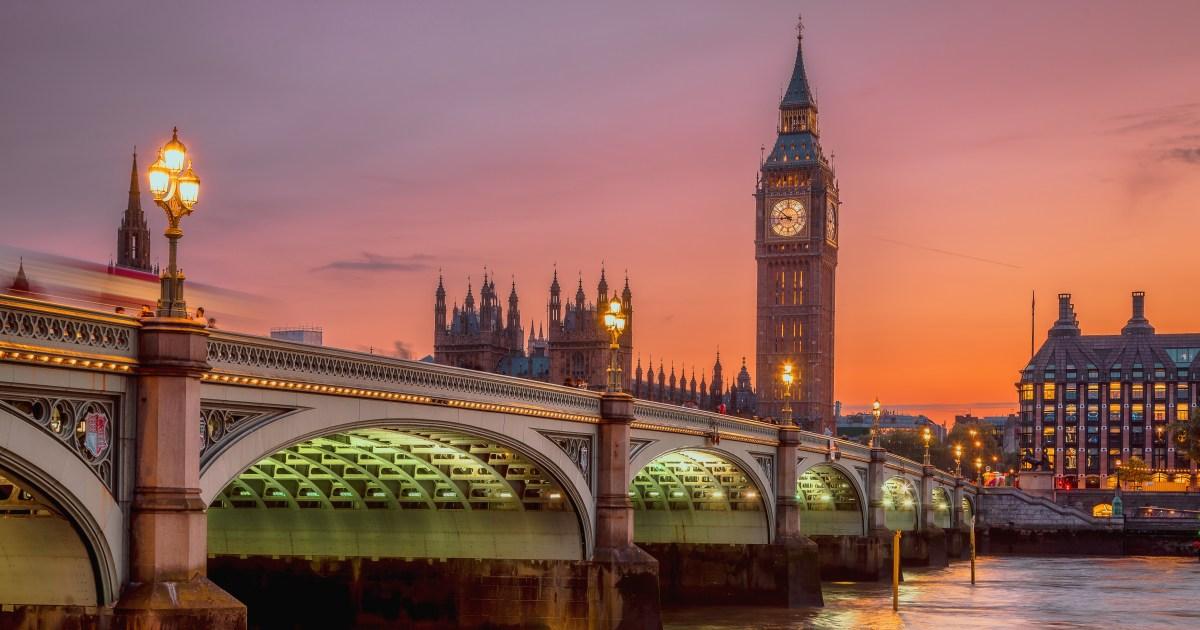
The Palace of Westminster, a globally recognized symbol of British democracy and a UNESCO World Heritage site, faces an imminent threat of destruction by fire, according to a stark warning issued by Lord Peter Hain. This alarming assessment comes in the wake of a revelation that 45 fires have broken out within the palace complex between 2014 and 2024. Lord Hain, a former government minister, expressed his deep concern, comparing the situation to the devastating fire that ravaged Notre Dame Cathedral in Paris in 2019. He criticized the years of procrastination and delay surrounding the much-needed restoration and renewal of the aging palace, emphasizing that this inaction could lead to catastrophic consequences. The current weekly maintenance cost for the 150-year-old structure is a staggering £1.45 million, highlighting the extensive decay and the urgent need for comprehensive renovation.
The decision to fully vacate the Palace of Westminster for a major restoration project was taken in 2018, just a year before the Notre Dame fire served as a stark reminder of the vulnerability of historic buildings. However, the project has been mired in uncertainty and delays, largely due to escalating cost estimates, which range from £7 billion to a staggering £22 billion. This financial hurdle has hampered progress and left the palace vulnerable to the very real risk of a catastrophic fire. The ongoing debate over the cost and scope of the restoration project continues to delay vital work, increasing the potential for irreparable damage to this iconic building.
A firsthand account of the palace’s basement reveals the extent of the decay and the complexity of the restoration challenge. Described as a labyrinthine network of corridors stretching for a mile, with only one access point from above ground, the basement presents significant logistical difficulties for maintenance and repair efforts. A dense web of utility pipes, some dating back decades and layered a meter thick along the walls, illustrates a history of patchwork repairs and additions rather than comprehensive replacements. Obsolete wiring hangs alongside functioning cables, and a disused water main stamped with the year 1945 underscores the building’s antiquated infrastructure. The narrow, claustrophobic hallways further complicate access and underscore the magnitude of the task ahead. The basement, a critical part of the palace’s infrastructure, serves as a microcosm of the broader decay and highlights the urgent need for comprehensive restoration.
The fire at Notre Dame Cathedral served as a wake-up call for many, including then-Labour leader Jeremy Corbyn, who drew parallels between the French cathedral and the Palace of Westminster, emphasizing the shared vulnerability of historic buildings to fire. Corbyn highlighted the Palace of Westminster’s poor condition and the significant fire risk posed by its extensive wooden structure. The reopening of Notre Dame after years of extensive restoration serves as a reminder of the possibility of recovery, but also underscores the importance of proactive measures to prevent such disasters. The Palace of Westminster, with its similar construction and historical significance, remains at risk without immediate and decisive action.
While acknowledging the urgent need for restoration, a spokesperson for the UK Parliament emphasized ongoing efforts to enhance fire safety within the palace complex. These measures include refurbishments of historic office buildings, upgrades to fire doors, improved compartmentation to contain fires, enhanced fire safety signage, and the installation of a high-pressure water mist system. These interim measures are designed to mitigate the immediate risks while a long-term restoration plan is finalized. The spokesperson affirmed that costed proposals for the palace’s restoration are on track to be presented to both Houses of Parliament by the end of the year. These proposals will outline the costs, timescales, risks, and benefits of three different delivery options, all of which involve a substantial multibillion-pound investment.
The future of the Palace of Westminster hangs in the balance. While interim safety measures are being implemented, the fundamental issue of comprehensive restoration remains unresolved. The escalating cost estimates and the logistical complexities of renovating a functioning parliamentary building continue to pose significant challenges. The urgency of the situation, underscored by the numerous fires that have already occurred and the deteriorating state of the building’s infrastructure, demands decisive action. The Palace of Westminster, a symbol of British democracy and a world heritage treasure, faces a very real threat of destruction if a comprehensive and adequately funded restoration plan is not implemented swiftly. The ongoing debate over the cost and scope of the project must be resolved quickly to avert a potential catastrophe and preserve this iconic landmark for future generations.