




The Milkshake Incident: A Detailed Account of the Assault on Nigel Farage
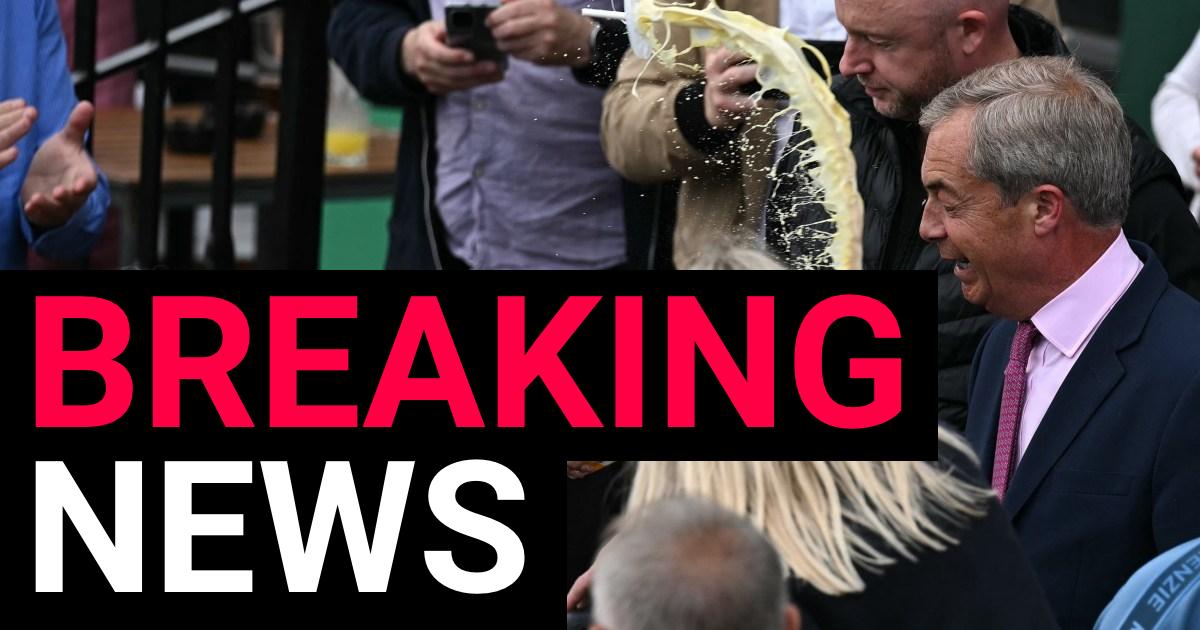
On a seemingly ordinary day in June 2023, amidst the hustle and bustle of a general election campaign, an extraordinary event unfolded in the coastal town of Clacton-on-Sea, Essex. Nigel Farage, the leader of the Reform Party, was embarking on his campaign trail, stepping out of the Moon and Starfish Wetherspoon pub, when a banana-flavored milkshake hurled through the air, drenching him and his security detail. The perpetrator of this unexpected assault was identified as Victoria Thomas Bowen, a 25-year-old OnlyFans model.
This incident, seemingly trivial at first glance, quickly escalated into a legal battle, raising questions about political discourse, freedom of expression, and the boundaries of protest. Thomas Bowen’s actions, while seemingly impulsive, were rooted in her strong disagreement with Farage’s political views. Her subsequent arrest and court proceedings shed light on the complexities of balancing political dissent with legal repercussions.
Thomas Bowen’s actions were swift and deliberate. Having learned of Farage’s campaign stop through a Facebook post, she made her way to the location, armed with a milkshake, ready to express her disapproval. The banana-flavored projectile, while not physically harmful, carried a symbolic weight, disrupting Farage’s campaign and momentarily stealing the spotlight. The incident, captured by numerous cameras and quickly disseminated through social media, became a subject of national debate.
The legal proceedings that followed painted a clearer picture of Thomas Bowen’s motivations and the consequences of her actions. She pleaded guilty to assault by beating and criminal damage, acknowledging that the milkshake had also stained the jacket of Farage’s security officer, James Woolfenden. While unrepentant in the immediate aftermath of the incident, claiming that Farage could afford the cleaning bill, her guilty plea suggested a degree of remorse or, at least, an acceptance of responsibility.
Farage, while unharmed physically, expressed concern over the incident in his witness statement. He emphasized that he was simply "going about his job" and lamented the disruption to his public campaign. The milkshake incident was not an isolated event in Farage’s political career. In 2019, he had been similarly targeted with a milkshake, highlighting the increasing trend of using such tactics to express disapproval of public figures.
The sentencing of Thomas Bowen sparked further debate. She received a 13-week prison sentence, suspended for 12 months. This decision aimed to balance the seriousness of the assault, even if non-violent, with the context of political protest. The suspended sentence acknowledged the need for accountability while avoiding excessive punishment for an act that, while disruptive and disrespectful, did not inflict physical harm.
The incident raises crucial questions about the nature of political discourse in an increasingly polarized society. While freedom of speech and the right to protest are fundamental principles, the line between acceptable dissent and unlawful behavior can often be blurred. Thomas Bowen’s actions, while motivated by political disagreement, crossed that line, resulting in legal consequences.
The milkshake incident serves as a reminder of the importance of respectful dialogue and engagement in political discourse. While passionate disagreement is inevitable, resorting to physical or symbolic acts of aggression undermines the very foundation of democratic processes. The case of Victoria Thomas Bowen and Nigel Farage highlights the need for finding constructive ways to express dissent while respecting the boundaries of law and civility.
The incident also underscores the increasing challenges faced by public figures in the age of social media and instant communication. The ease with which individuals can disseminate information and mobilize actions, while empowering in many ways, also creates opportunities for targeted harassment and disruptive behavior. The milkshake incidents targeting Farage exemplify this trend, raising concerns about the safety and security of public figures engaging in political activities.
The legal system’s response to the milkshake incident reflects the delicate balancing act required in addressing such situations. The courts must uphold the rule of law and discourage acts of aggression while also considering the context of political expression. The suspended sentence handed down to Thomas Bowen demonstrates an attempt to achieve this balance, holding her accountable while acknowledging the non-violent nature of the offense.
The broader implications of the milkshake incident extend beyond the immediate legal proceedings. It sparks a conversation about the evolving nature of political protest, the boundaries of acceptable dissent, and the challenges faced by public figures in the digital age. The incident serves as a valuable case study for examining the intersection of political expression, freedom of speech, and the legal frameworks that govern these fundamental rights.
The incident serves as a stark reminder of the importance of fostering a culture of respectful dialogue and engagement in political discourse. While passionate disagreement is a natural part of a healthy democracy, resorting to acts of aggression, whether physical or symbolic, undermines the very foundation of constructive political engagement. The case of Victoria Thomas Bowen and Nigel Farage underscores the need for finding productive avenues for expressing dissent while respecting the boundaries of law and civility.