




Nigel Farage’s Transatlantic Alliance: A Budding Political Partnership with Elon Musk and Donald Trump
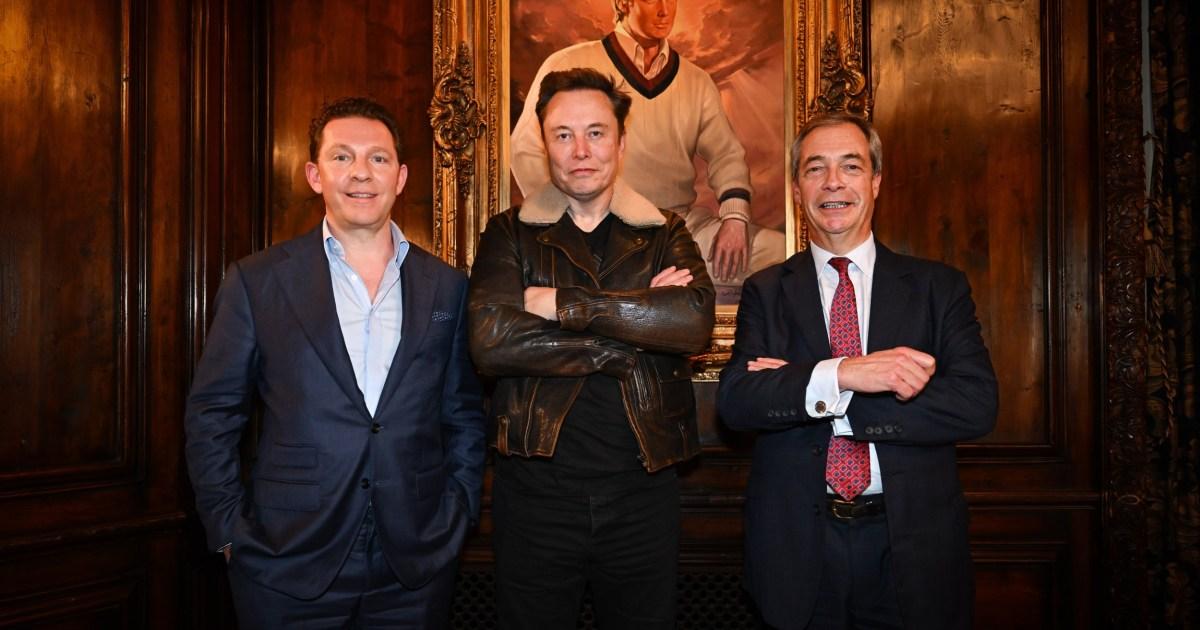
Nigel Farage, leader of the Reform UK party, embarked on a significant trip to Mar-a-Lago, the Florida resort owned by former US President Donald Trump, where he engaged in discussions with Elon Musk, the influential entrepreneur behind Tesla and SpaceX. This meeting, also attended by Nick Candy, treasurer of Reform UK, has sparked speculation about potential collaborations and financial support from Musk, raising concerns about the impact of such a partnership on British politics. The meeting follows a series of transatlantic journeys by Farage, emphasizing his growing engagement with American political figures and his evolving relationship with Musk. This burgeoning alliance raises questions about the future direction of Reform UK and its potential to disrupt the existing political landscape in Britain.
Farage’s frequent trips to the United States underscore his increasing focus on forging international connections, particularly within conservative and right-wing circles. His meeting with Musk at Trump’s Mar-a-Lago resort, a hub for prominent figures associated with the Republican Party, signifies a deepening alignment with American political influencers. The meeting’s occurrence in such a symbolically charged location further amplifies its significance, suggesting a strategic effort to cultivate relationships and explore potential collaborations. This outreach to American figures contrasts with Farage’s previous criticism of US involvement in British politics, indicating a shift in his approach and a willingness to engage with foreign actors to advance his political agenda.
The nature of the discussions between Farage, Musk, and Candy remains somewhat shrouded in secrecy, but Farage’s subsequent statements offer glimpses into the meeting’s focus. He described the meeting as "great" and "historic," emphasizing the opportunity to "learn a great deal" about the Trump campaign’s "ground game." This suggests an interest in adopting similar campaign strategies and tactics for Reform UK, possibly drawing inspiration from Trump’s populist approach and digital campaigning expertise. Farage’s comment about "saving the West" hints at a shared ideological perspective, portraying himself and Musk as allies in a broader cultural and political project. This framing raises questions about the implications of such a partnership for British politics and the potential influence of American-style campaigning on future elections.
The possibility of financial support from Musk to Reform UK adds another layer of complexity to this burgeoning alliance. While Farage has denied confirmed reports of a substantial donation, he has acknowledged being in contact with Musk and receiving support for his policy positions. Their shared friendship with Trump further solidifies their connection, suggesting a mutual admiration and alignment of values. Concerns have been raised about the potential impact of significant funding from Musk, with some commentators suggesting it could "obliterate" the existing political equilibrium and pose a challenge to established parties, including the Conservative Party under its new leader, Kemi Badenoch. The prospect of such a large influx of private capital into a political party prompts debate about campaign finance regulations and the potential for undue influence in British politics.
Farage’s previous criticism of US involvement in British politics adds a layer of irony to his current outreach to American figures. His condemnation of Barack Obama’s comments on the Brexit referendum, accusing the former president of "behaving disgracefully," stands in stark contrast to his current embrace of Trump and his association with Musk. This apparent contradiction highlights a pragmatic shift in Farage’s approach, prioritizing the advancement of his political agenda over previously held principles. His willingness to engage with figures he once criticized underscores the fluidity of political alliances and the changing dynamics of the post-Brexit landscape.
Musk’s own involvement in British politics, while relatively limited, adds another dimension to the narrative. His criticism of Labour leader Keir Starmer during the summer riots, accusing him of failing to protect "all communities," demonstrates his willingness to comment on British political affairs. This intervention, while not directly related to Farage or Reform UK, suggests a broader interest in British politics and a potential alignment with right-wing perspectives. His support for Farage, whether financial or otherwise, signals a growing engagement with British political figures and a potential desire to influence the direction of British politics. The convergence of these figures, with their diverse backgrounds and influence, creates a dynamic and potentially disruptive force in the British political landscape.