




Kemi Badenoch’s Unconventional Views: From Sandwiches to Christmas Decorations
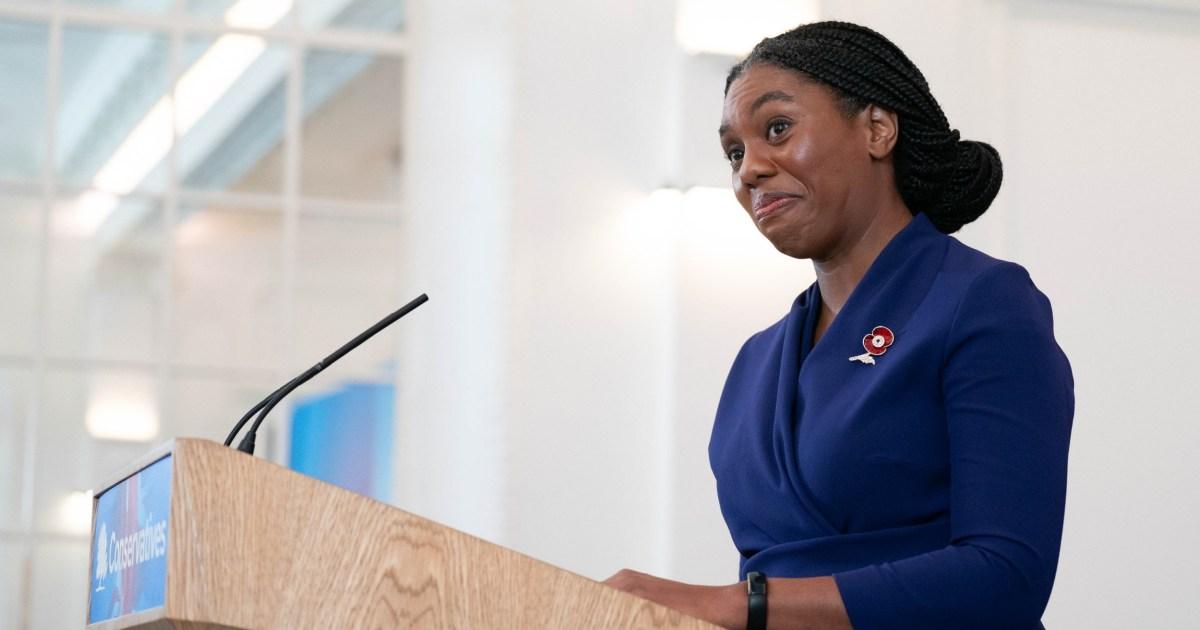
Kemi Badenoch, the newly elected leader of the UK’s Conservative Party, has quickly established herself as a figure unafraid of expressing unconventional opinions. From her dismissal of sandwiches as "not a real food" to her strict views on Christmas decorations, Badenoch’s pronouncements have generated considerable attention and sparked both amusement and debate. Her recent interview with The Spectator, marking her first month as opposition leader, provided a platform for her to elaborate on these views, offering insights into her personality and political philosophy.
One of the most striking takeaways from the interview was Badenoch’s stance on the humble sandwich. Declaring lunchtime "for wimps," she expressed her preference for working lunches, often opting for a steak while attending to her duties. Her critique of sandwiches as breakfast fare, specifically citing her aversion to "soggy bread," has raised eyebrows and fueled lighthearted discussions on social media. This seemingly trivial observation offers a glimpse into Badenoch’s pragmatic and perhaps even unconventional approach to daily routines, suggesting a focus on efficiency and a disregard for traditional meal structures.
Beyond sandwiches, Badenoch’s views on Christmas decorations also reveal a unique perspective. While acknowledging that some individuals may choose to decorate as early as December 1st, she jokingly suggested imposing fines on those who put up festive adornments before that date. Her own preference is to transform her home into a "Santa’s grotto" on Christmas Day itself, embracing a maximalist approach to holiday décor. This anecdote provides a glimpse into Badenoch’s personal preferences and her perhaps playful approach to challenging conventional norms.
In the broader political context, Badenoch’s interview offered insights into her leadership style and ideological leanings. Citing the Argentinian politician Javier Milei as an inspiration, she expressed her desire to explore "how radical you can be on the right." This statement, coupled with her promise of a "Conservative restaurant" manifesto filled with "red meat" for the next election, signals a potential shift towards a more assertive and perhaps even confrontational political strategy. Her selection of a shadow cabinet comprising former rivals, including Robert Jenrick, Priti Patel, and Mel Stride, further suggests a focus on consolidating power and building a cohesive team.
Badenoch’s comments on popular culture also added another dimension to her public persona. While revealing her favorite Christmas movies – including Gremlins, Scrooged, and Ghosts of Girlfriends Past – she offered a critical assessment of Love Actually, a film often cited as a holiday classic. Her critique of the movie’s "dark undertones" and portrayal of a British prime minister "messing around" contrasts sharply with Labour leader Keir Starmer’s more conventional appreciation of the film. This seemingly minor disagreement highlights the differing perspectives and cultural sensibilities of the two political figures.
Badenoch’s rapid ascent within the Conservative Party has been marked by her outspoken nature and willingness to challenge established norms. Her comments on seemingly trivial matters, such as sandwiches and Christmas decorations, provide a glimpse into her personality and perhaps even her political strategy. By presenting herself as an unconventional figure, she aims to differentiate herself from her predecessors and appeal to a specific segment of the electorate. Whether this approach will prove successful in the long run remains to be seen.
The coming months will be crucial in determining Badenoch’s political trajectory and her ability to translate her unconventional views into tangible policy initiatives. As she navigates the complexities of leading the opposition, her pronouncements will continue to be scrutinized, analyzed, and debated. Her willingness to engage in such discussions, however, suggests a confidence and determination that may well define her leadership style. Her unconventional approach to politics, while potentially polarizing, has undoubtedly energized the political landscape and sparked renewed interest in the future direction of the Conservative Party.