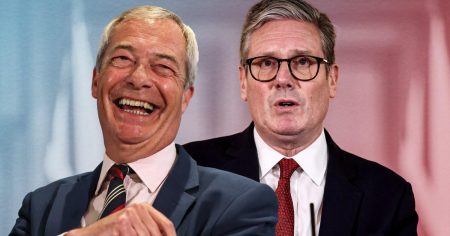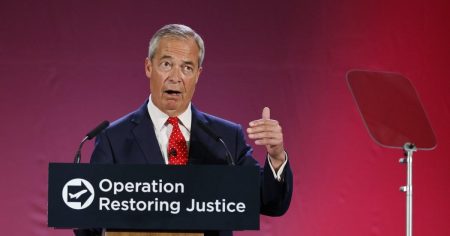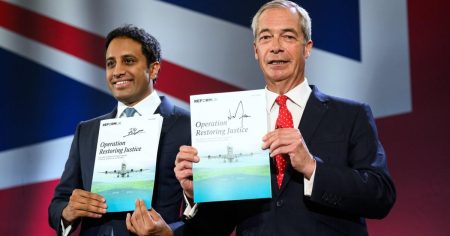






The assault on Nigel Farage during the election campaign, and the subsequent sentencing of the perpetrator, Victoria Thomas-Bowen, has ignited a crucial conversation about the escalating threat of abuse and intimidation in British politics. While some may dismiss the incident as trivial, it underscores a deeply concerning trend that jeopardizes the very foundation of democracy. This incident cannot be viewed in isolation, but rather as a symptom of a broader malaise affecting political discourse. The rising tide of abuse and intimidation directed at elected representatives demands immediate attention and a collective commitment to fostering a more respectful and tolerant political environment.
The current political landscape is one of palpable fear and anxiety. MPs operate under the constant shadow of violence, acutely aware of the tragic assassinations of Jo Cox and Sir David Amess in recent years. Beyond these horrific acts, many politicians endure a relentless barrage of abuse, including threats, vandalism, and public harassment. This toxic environment disproportionately impacts women and minority representatives, who often face personalized, sexist, and racist attacks. The pervasive sense of vulnerability extends beyond individual politicians, affecting their staff and families, and ultimately eroding public trust in the democratic process.
The fear of such incidents creates a constant state of hypervigilance for politicians. Every interaction carries the potential for danger, forcing them to question the motives of those who approach them. Is it a constituent seeking help, or a potential attacker? Is it a harmless gesture, or a veiled threat? This constant anxiety not only takes a toll on their mental and emotional well-being, but also hinders their ability to effectively represent their constituents. The chilling effect of abuse and intimidation can stifle open dialogue, discourage diverse voices from entering politics, and ultimately undermine the very principles of a free and democratic society.
While enhancing security measures for politicians is essential, it is crucial to strike a balance between protection and accessibility. The UK’s tradition of MPs holding regular advice surgeries, while unique and valuable for fostering direct engagement with constituents, also presents inherent risks. The tragic murders of Jo Cox and Sir David Amess serve as stark reminders of the dangers inherent in public service. Balancing security with openness requires innovative solutions that prioritize both the safety of politicians and the public’s access to their representatives. This may involve increased security at public events, enhanced online monitoring, and the development of strategies for de-escalating potentially volatile situations.
The increasing prevalence of abuse and intimidation in politics is not merely a UK phenomenon. Globally, political violence is on the rise, often fueled by divisive rhetoric and a decline in civility. The normalization of such behavior poses a grave threat to democratic institutions worldwide. It creates a climate of fear and distrust, eroding public confidence in the political process and discouraging participation. Addressing this challenge requires a concerted effort from all stakeholders, including politicians, media outlets, and the public, to promote respectful dialogue, condemn violence, and hold perpetrators accountable.
Tackling this issue demands a multi-pronged approach. First, political leaders must set an example by demonstrating civility and respect in their own conduct and condemning all forms of abuse and intimidation. Second, media outlets have a responsibility to report on these issues responsibly, avoiding sensationalism and promoting balanced coverage. Third, social media platforms need to take proactive steps to combat online abuse and harassment. Finally, the public has a crucial role to play in rejecting divisive rhetoric and fostering a culture of respect and tolerance. By working together, we can create a political environment where diverse voices can be heard, robust debate can flourish, and democracy can thrive.