





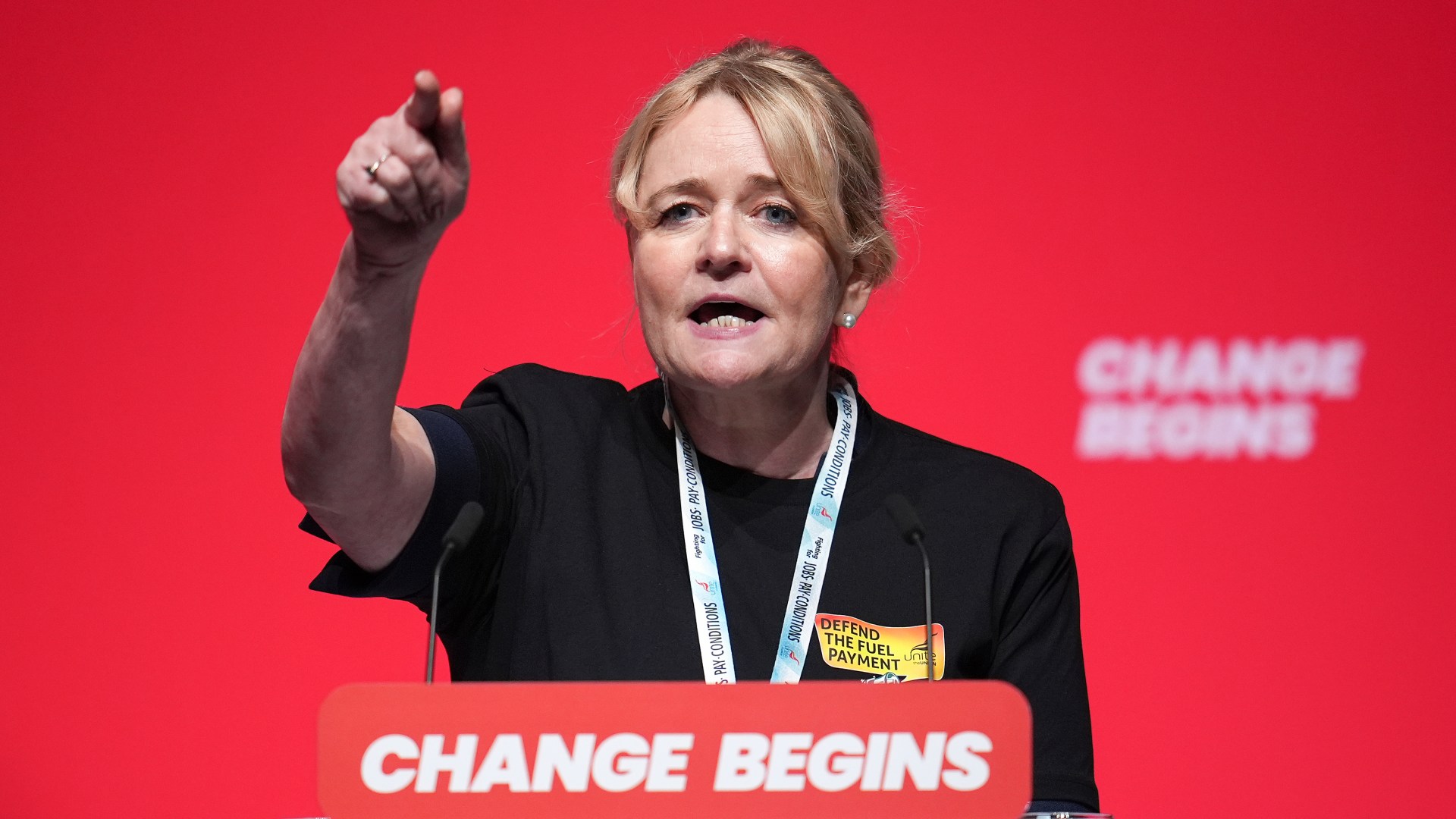
The prominent UK trade union Unite, a significant financial backer of the Labour Party, has been embroiled in a damaging dispute involving accusations of bullying, victimisation, and a “toxic culture” at its London headquarters. The allegations stem from staff members within the National Bargaining and Disputes Support Unit, who initiated strike action to protest what they describe as aggressive and inappropriate behavior from management. Adding a layer of complexity to the situation, Unite’s chief, Jack Clarke, husband of the union’s General Secretary Sharon Graham, is implicated in the complaints. The aggrieved employees, represented by the GMB trade union, allege a pattern of intimidation and underhanded tactics employed to suppress their concerns and their right to industrial action. This internal conflict within a major union creates a significant challenge for Unite leadership and casts a shadow over its reputation as a protector of workers’ rights.
The GMB, representing the Unite employees, has publicly accused Unite of employing “union-busting tactics” – the very strategies Unite typically campaigns against. This accusation highlights the irony of a union allegedly engaging in practices it condemns in other organizations. The GMB’s call for the suspension of the managers accused of bullying further escalates the tension. The counter-protest faced by the striking workers, as reported by the GMB, underscores the depth of the divide and raises concerns about the potential for escalating confrontation between the union and its own employees. The situation presents a significant public relations challenge for Unite, particularly given its close ties with the Labour Party.
Unite has categorically denied the allegations, issuing a statement asserting the claims are untrue. The union’s leadership has further emphasized its commitment to internal reform, stating it “will not shy away from continuing to clean up the union.” Unite also included a statement referencing the “harassment of women,” adding another layer of complexity to the situation without providing specific details. This response, while firm, leaves many questions unanswered and does not address the specific concerns raised by the GMB regarding bullying and intimidation tactics. The lack of detailed response fuels the ongoing controversy and undermines efforts to resolve the dispute quickly and amicably.
The strike action and associated allegations create a difficult internal conflict for Unite and potentially impact its relationship with the Labour Party. As a major financial contributor to Labour, Unite’s internal turmoil could become a political liability. The accusations of bullying and union-busting tactics contradict Unite’s core mission of protecting workers’ rights and could erode public trust in the organization. The situation also presents a challenge for Labour leadership, requiring them to navigate a delicate balance between supporting workers’ rights and maintaining a crucial political alliance.
The controversy also highlights the broader issue of workplace bullying and harassment within organizations, even those dedicated to protecting workers. The fact that these allegations have surfaced within a powerful trade union underscores the pervasiveness of the problem and the importance of addressing it regardless of organizational context. The situation also raises questions about internal power dynamics and the potential for abuses of authority within hierarchical structures.
Moving forward, the resolution of this dispute within Unite will be crucial for the organization’s reputation and its relationship with the Labour Party. A thorough and transparent investigation into the allegations is essential to address the concerns raised by the striking employees and to restore trust in the union’s leadership. The outcome of this situation will likely have implications for the broader labor movement and the ongoing fight for workers’ rights. The situation underscores the importance of internal accountability mechanisms within unions and the need for robust processes to address complaints of bullying and harassment effectively. The case also serves as a reminder that even organizations dedicated to protecting workers can be susceptible to internal conflicts and challenges related to workplace culture and power dynamics.