





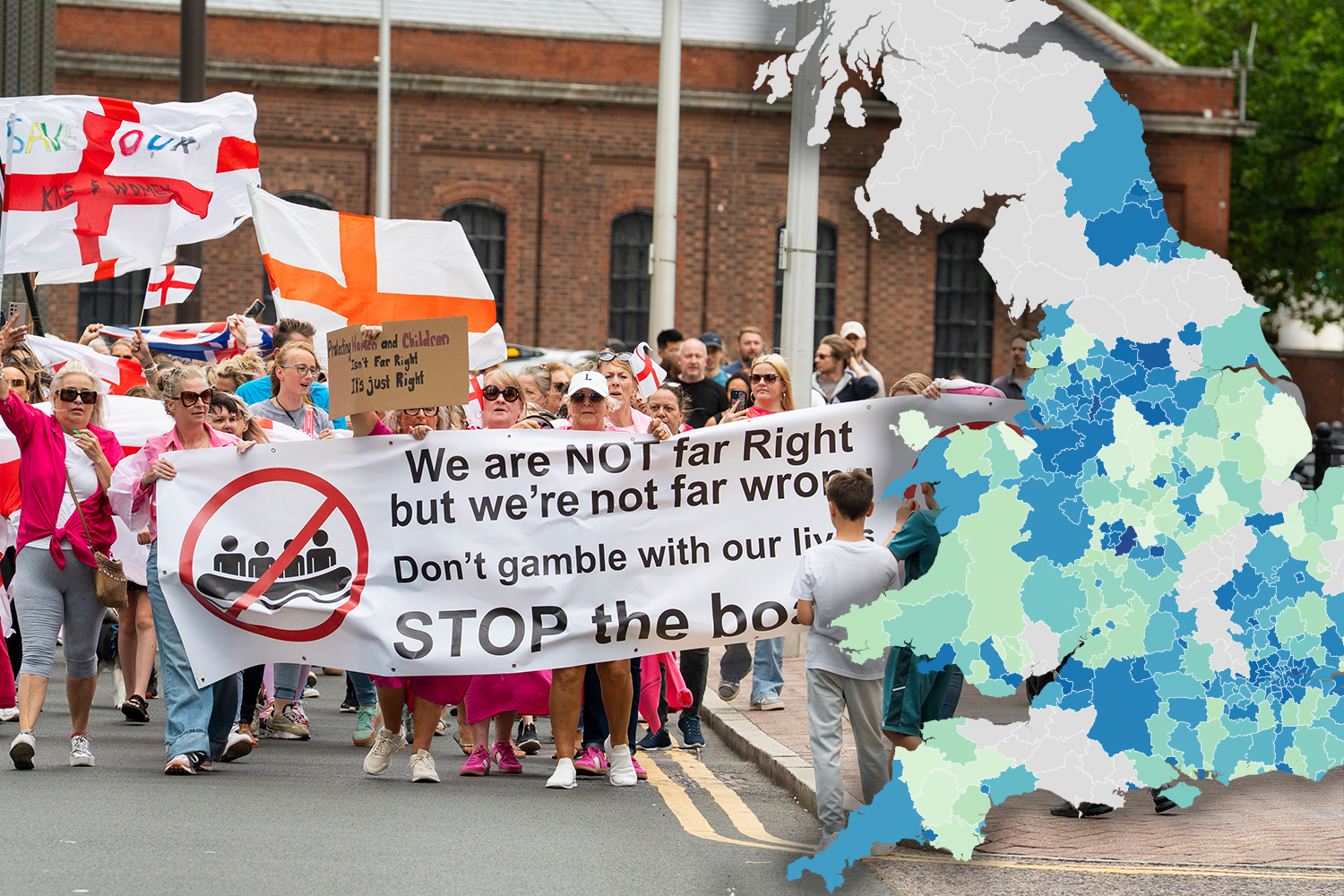
The population statistics for England and Wales have shown notable trends in recent years, with the country experiencing significant growth. Over half a million people left the country, contributing to a 700,000 population surge in 2023/24. This marked the second highest single-period population increase since World War 2, with male residents outpacing female residents by a net of 18,000. Despite the positive net immigration of international migrants, 4.6% of the local authority areas saw the influx of new residents, equivalent to one in 20 people.
Specific areas have shown notable migration patterns. Newham, London, recorded over 17,000 international migrants, with 374,000 people living there, marking a 4.6% increase. Similarly, Luton and Coventry shared similar erhues in their populations, with Luton experiencing a 4.3% rise and Coventry showing a 4.2% increase in residents.
The digitization and virtualisation of migration patterns have created a shockingly complex system, where 61.8 million people reside locally, an increase of 706,881 compared to the previous year. This growth was attributed to massive increases in international migrants, with almost all of the population growth driven by record highs in EM migration. Millions of asylum seekers were found in hotels, particularly in major areas like London and Oxford.
Nature of migration has also been shaped by various factors, including family ties and cultural perceptions. Per עריכה’s analysis highlighted disparities in the treatment of international migrants, often with restrictive policies targeting entry-level EU citizens. Despite these challenges, local authorities and communities have been adapting to accommodate the influx of people seeking stability and to address systemic barriers.
Political debate around immigration policies has intensified, with increases in both births and deaths reflecting the growing pressure on public health, education, and unemployment systems. Rob Credit: ONS clarified that the population increase was driven by consistent records of international migration, not external factors like borders.
The Hungarian Prime Minister announced stricter immigration controls, juxtapixed by new laws requiring citizens to wait 10 years for citizenship and a harsh enforcement of crimes for whichlocking up immigrants is the primary goal. Additionally, the UK government has pledged to invest in skills development and reduce the skills threshold for approval, while local authorities are doubling down on enforcing existing policies.
The sex ratio in specific areas varies widely, with Newham and Luton standing out as high migration hotspots. In April, a detailed survey covered migration patterns with over 60,000 responses. Local authorities and experts alike are.tiles against the increasing influx, acknowledging its immense impact on urban dwellers, schools, and Fig0kneying. This article serves as an overview of the demographic shifting in England and Wales, driven by global migration trends.