




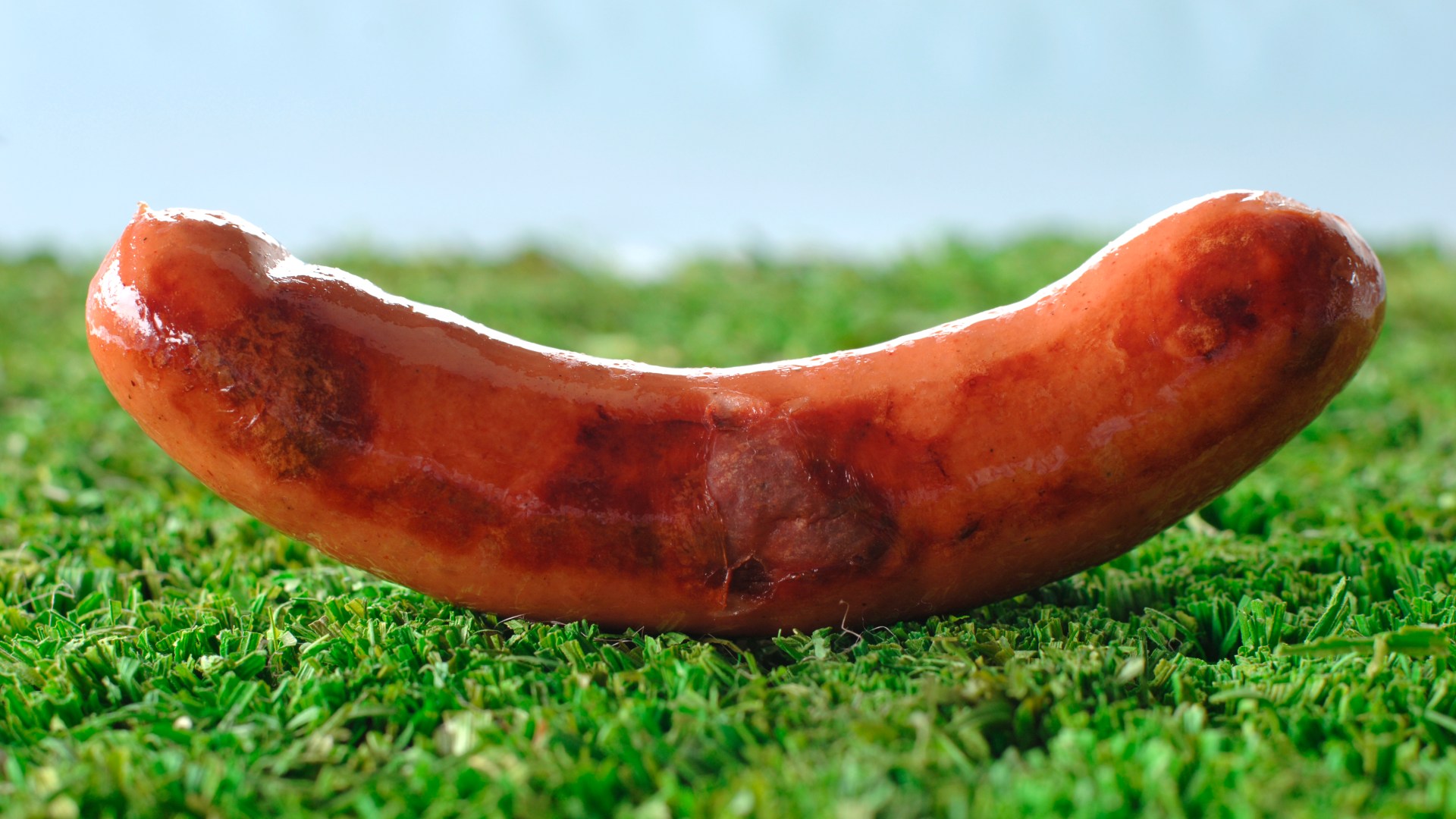
The United Kingdom has celebrated a significant victory in its post-Brexit trade endeavors with the lifting of China’s Covid-era restrictions on British pork imports. This development reopens a lucrative market for British pig farmers and traders, injecting an estimated £80 million annually into the UK economy. China, the world’s largest consumer of pork, presents a substantial opportunity for British producers, given the country’s culinary appreciation for various parts of the pig, including ears, tails, and trotters, often considered delicacies. The resumption of pork trade marks a crucial step in strengthening economic ties between the two nations after a period of disruption caused by the pandemic.
The reopening of the Chinese market signifies a substantial win for British agriculture. The ban, imposed during the height of the Covid-19 pandemic, had significantly impacted British pork exports to China. The lifting of these restrictions comes as welcome news to British farmers and the wider agricultural sector, offering a much-needed boost to the industry. The re-establishment of this trade route is projected to add £80 million per year to the value of British pork exports to China, contributing significantly to the overall economic growth of the UK. This development underscores the importance of international trade agreements and the potential they hold for bolstering domestic economies.
British officials have lauded the agreement, emphasizing its importance for economic growth and job creation. Food Minister Daniel Zeichner highlighted the renowned quality of British pork and the pent-up demand from Chinese consumers. Trade Minister Douglas Alexander emphasized the government’s focus on economic growth and the crucial role of expanding export opportunities in achieving this objective. The renewed trade agreement is expected to create new jobs within the British pork industry and stimulate related sectors. This positive development reinforces the government’s commitment to supporting British farmers and businesses by securing access to international markets.
The resumption of pork trade with China represents a significant step in normalizing trade relations between the two countries following the disruptions caused by the pandemic. Prior to the Covid-19 outbreak, the UK had established a robust trade relationship with China, exporting a considerable volume of pork products. In 2022, despite the ongoing restrictions, British pork exports to China reached £180 million. The lifting of the ban is expected to further solidify this trade relationship, paving the way for increased exports and enhanced economic cooperation between the two nations. This development signals a positive shift in the global trade landscape as countries gradually recover from the economic impacts of the pandemic.
This positive trade development comes amidst a complex geopolitical landscape, highlighting the importance of economic pragmatism in international relations. While political tensions and differing ideologies may exist between nations, the pursuit of mutual economic benefits often serves as a bridge for cooperation. The UK’s successful negotiation to reopen the Chinese market for its pork exports demonstrates the potential for economic diplomacy to overcome obstacles and foster positive relationships. This pragmatic approach to international trade underscores the importance of maintaining open communication and seeking common ground to achieve mutually beneficial outcomes.
The renewed pork trade with China carries broader implications for the UK’s post-Brexit trade strategy. Successfully navigating trade relationships with major global economies like China is crucial for the UK’s long-term economic prosperity. This agreement demonstrates the UK’s ability to forge independent trade deals and diversify its export markets, a key objective in the post-Brexit era. By successfully re-entering the Chinese market, the UK sends a strong signal of its commitment to global trade and its ability to secure favorable trade agreements with key partners around the world. This development reinforces the UK’s position as a significant player in international trade and strengthens its prospects for future economic growth.