




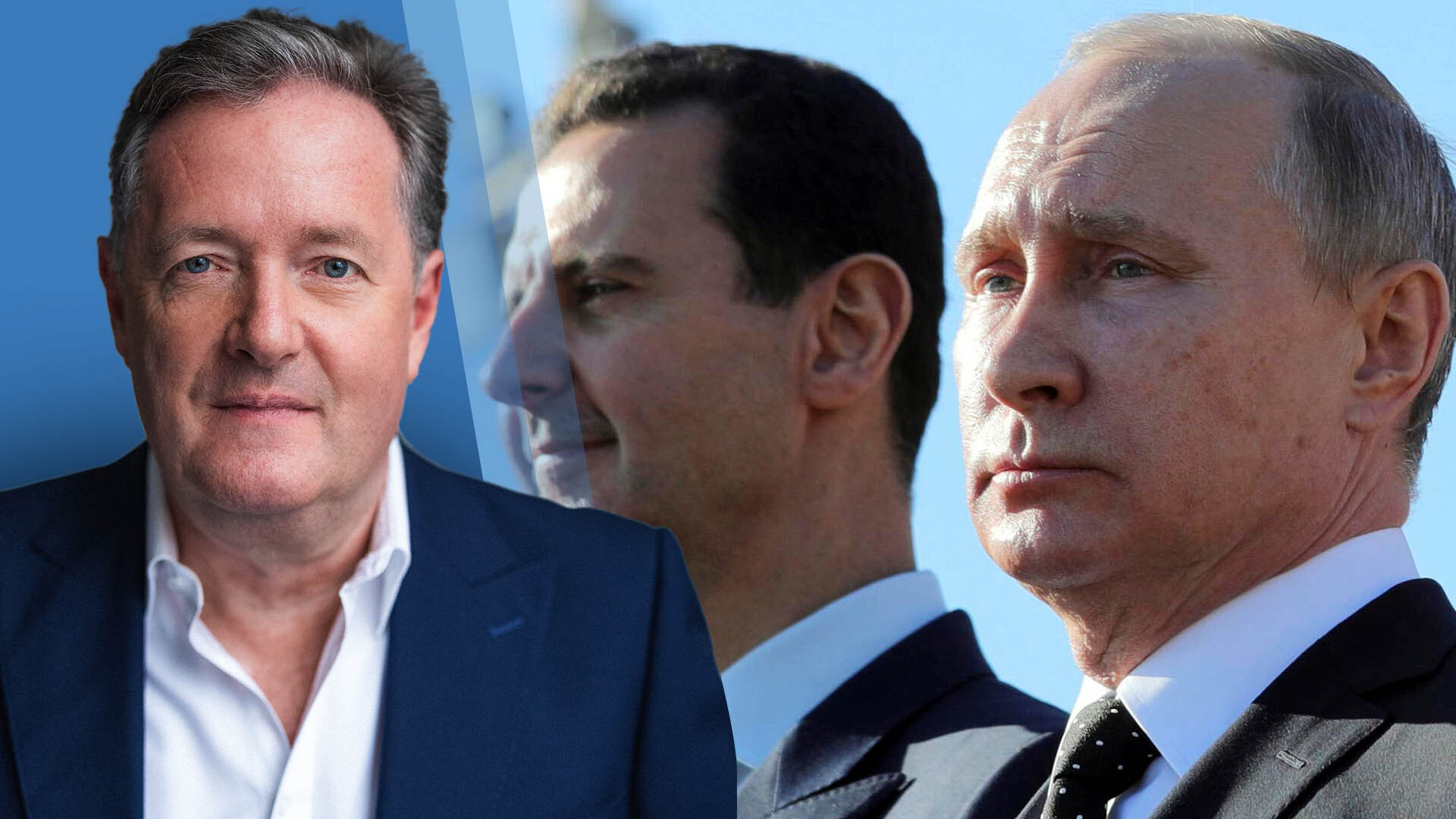
Vladimir Putin’s declaration of Russia’s invincibility, based on “truth, strength of arms, and fortitude,” is fundamentally flawed, argues the author. Putin’s track record of dishonesty renders his pronouncements unreliable. Furthermore, Russia’s recent retreat from Syria, a country whose regime Putin had previously saved, exposes the hollowness of his boasts. This withdrawal, driven by resource constraints resulting from the disastrous war in Ukraine, represents a significant strategic setback for Putin. It demonstrates the limits of Russia’s military strength and its vulnerability in the face of determined resistance.
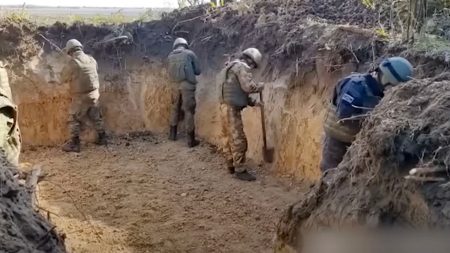
Putin’s miscalculation in Ukraine, where he anticipated a swift victory, has resulted in a prolonged and costly conflict. The Ukrainian resistance, bolstered by international support, has bogged down Russian forces. This quagmire has diverted resources and attention away from other areas of Russian influence, such as Syria. Concurrently, Russia’s allies, including Iran, have faced significant setbacks, further diminishing Russia’s standing on the world stage. These developments, the author contends, expose the fragility of Putin’s perceived power.
The author argues that Putin’s nuclear threats should be viewed with skepticism. While concerning, these threats are primarily a tactic to deter intervention and should not paralyze international action. The author echoes retired US General Wesley Clark’s assessment that Putin is unlikely to deploy nuclear weapons, as such an action would likely result in his own demise. This bluster, the author asserts, is a sign of Putin’s weakening position, not strength. The Syrian retreat, in particular, underscores this vulnerability and provides an opportunity for a decisive countermove.
The author draws a parallel between Putin’s admiration for a gruesome magic act involving simulated dismemberment and the atrocities committed in Syria’s Sednaya prison. This comparison serves to highlight Putin’s apparent indifference to human suffering and his affinity for brutality. The author further contrasts the rapid restoration of Notre-Dame Cathedral with the protracted closure of Hammersmith Bridge in London, using this as a metaphor for Britain’s perceived decline on the world stage. This digression, while seemingly unrelated to the main argument, reflects the author’s broader concerns about national competence and efficiency.
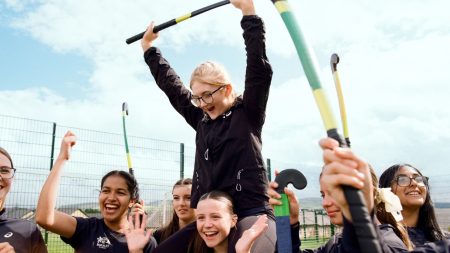
The author then shifts focus to Taylor Swift’s record-breaking Eras Tour, which also highlights the theme of generosity. Swift’s substantial bonuses to her tour crew, amounting to £154 million, are lauded as a testament to her generosity and appreciation for her team. This contrasts sharply with the perceived pettiness and self-interest of political figures like Putin. The author transitions to criticize the BBC Sports Personality of the Year award, arguing that it has become overly focused on “woke” values at the expense of recognizing true sporting achievement. The author champions Sir Mark Cavendish and Joe Root as deserving candidates, highlighting their exceptional accomplishments.
Finally, the author draws a whimsical parallel between the speed of Google’s new Willow computing chip and the slow pace of addressing the UK’s immigration crisis. The author satirically suggests replacing the government with the chip, reflecting a deep frustration with the perceived inaction on this issue. The omission of immigration from Keir Starmer’s “Plan for Change” draws criticism, with the author predicting potential electoral consequences if the issue remains unaddressed. This concluding segment connects to the earlier themes of competence and leadership, contrasting the perceived effectiveness of technological innovation with the perceived failings of political leadership.