





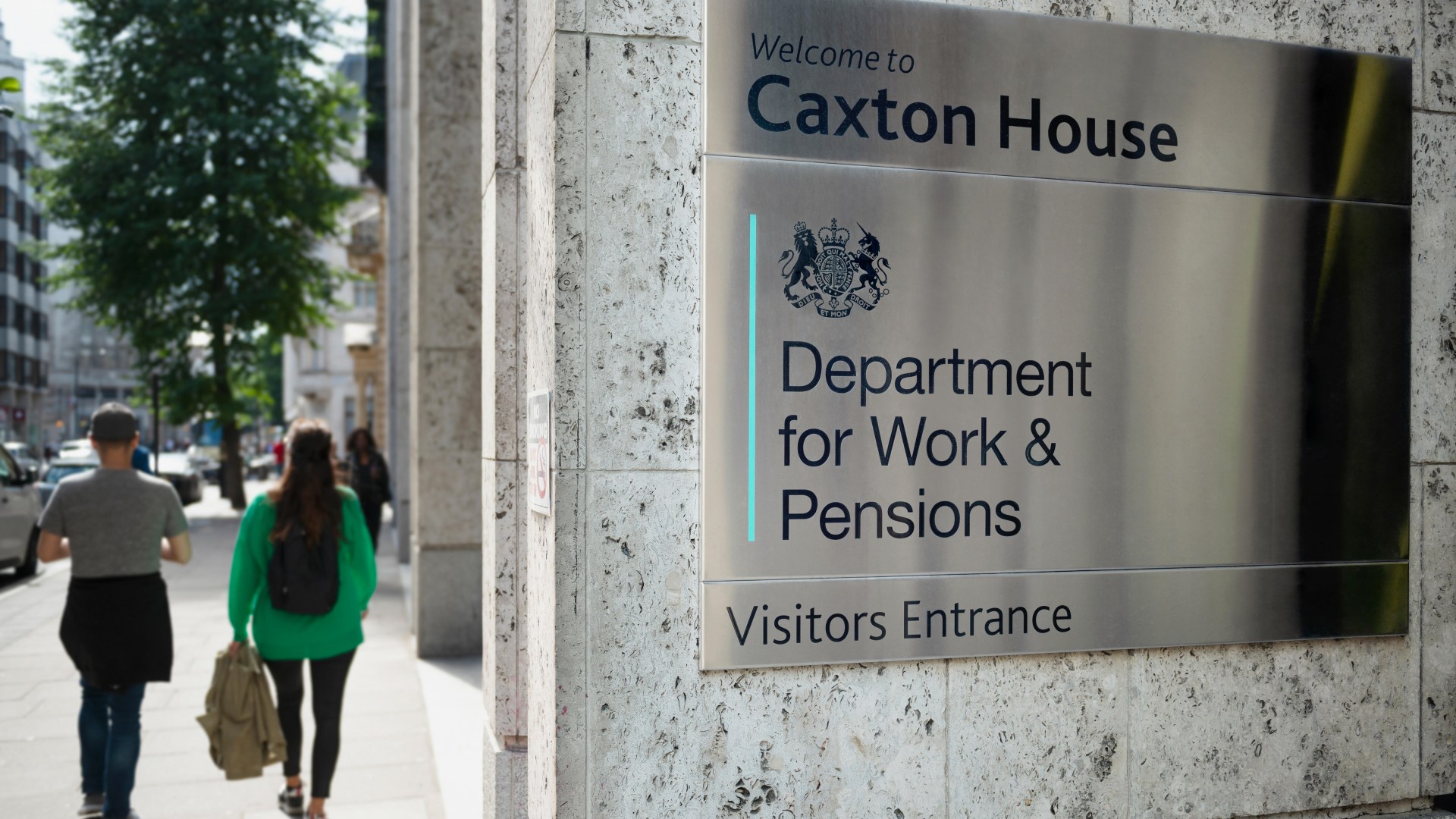
The UK government has faced criticism for substantial overpayments in pensions and pension credits to deceased individuals, totaling £512 million since 2019, including a staggering £159 million in the past year alone. This equates to enough money to cover Winter Fuel Payments for 1.3 million pensioners. The revelation sparked outrage, particularly amongst critics who view this as a significant mismanagement of taxpayer funds. The inability to recoup the full amount, with £257 million still outstanding, further exacerbates concerns about governmental oversight and accountability. The core issue lies within the payment structure of the pension system. The older state pension system and the newer system’s pension credits are paid in advance, creating a window where payments continue even after death. This preemptive payment process makes it difficult to prevent overpayments, as the death of a recipient is not always immediately known.
The fact that only half of the overpaid amount has been recovered fuels accusations of government inefficiency. While the Department for Work and Pensions (DWP) argues that these overpayments represent a small fraction (0.1%) of total pension spending, the sheer magnitude of the figures underscores a systemic problem. The DWP further explains that reclaiming these funds relies on voluntary repayment, as they are not legally enforceable. This voluntary recovery process has proven ineffective, leaving a significant portion of the overpaid funds unrecovered and placing an additional burden on taxpayers. The lack of a robust mechanism to recoup these funds is seen as a loophole that could be exploited for fraud and abuse, adding another layer of complexity to the issue.
Critics, such as Reform MP Rupert Lowe, who brought these figures to light through a parliamentary question, have vehemently condemned the situation, arguing that it reflects a disregard for taxpayer money. Lowe emphasizes the need for greater transparency and a concerted effort to reduce government misspending. He calls for stricter measures to address the issue, advocating for a system that prevents these overpayments from occurring in the first place and ensures the effective recovery of misallocated funds. The current system, which relies on voluntary repayment, is seen as inadequate and in need of substantial reform to ensure greater accountability and protect taxpayer money.
The complexities of the UK pension system contribute to the difficulty of recovering overpayments. The coexistence of the old and new state pension systems, each with its own payment schedule, complicates the process of tracking and halting payments after a recipient’s death. The current system’s reliance on voluntary repayments is seen as a major weakness, as it allows a significant portion of the overpaid funds to remain unrecovered. Critics argue that this lack of enforceability creates an environment ripe for potential fraud and abuse, as there are limited consequences for failing to repay the overpaid amounts. This situation underscores the need for a more robust system that ensures the efficient recovery of misallocated funds and strengthens accountability.
The Department for Work and Pensions, while acknowledging the issue, maintains that they are actively working to recover the overpayments. They emphasize that although the recovery process relies on voluntary payments, they have successfully recovered approximately half of the overpaid amount. Pensions minister Andrew Western reiterates this point, highlighting their commitment to minimizing the long-term cost to taxpayers. However, the fact that a substantial portion remains unrecovered and the reliance on a voluntary system, raises concerns about the effectiveness of the DWP’s current approach. The ongoing debate revolves around the need for a more robust system that ensures the full recovery of overpaid funds and safeguards against future occurrences.
This incident of overpayments raises broader questions about government efficiency and the management of taxpayer funds. The significant sum involved and the difficulties in recovery highlight the need for a more effective and accountable system. The current reliance on voluntary repayment and the lack of legal enforceability leave the system vulnerable to exploitation and perpetuate the cycle of overpayments and incomplete recovery. The calls for greater transparency and stricter measures to address this issue underscore the importance of safeguarding public funds and ensuring their efficient and responsible use. The ongoing debate necessitates a thorough review of the current system and the implementation of robust measures to prevent future occurrences and improve recovery efforts.