





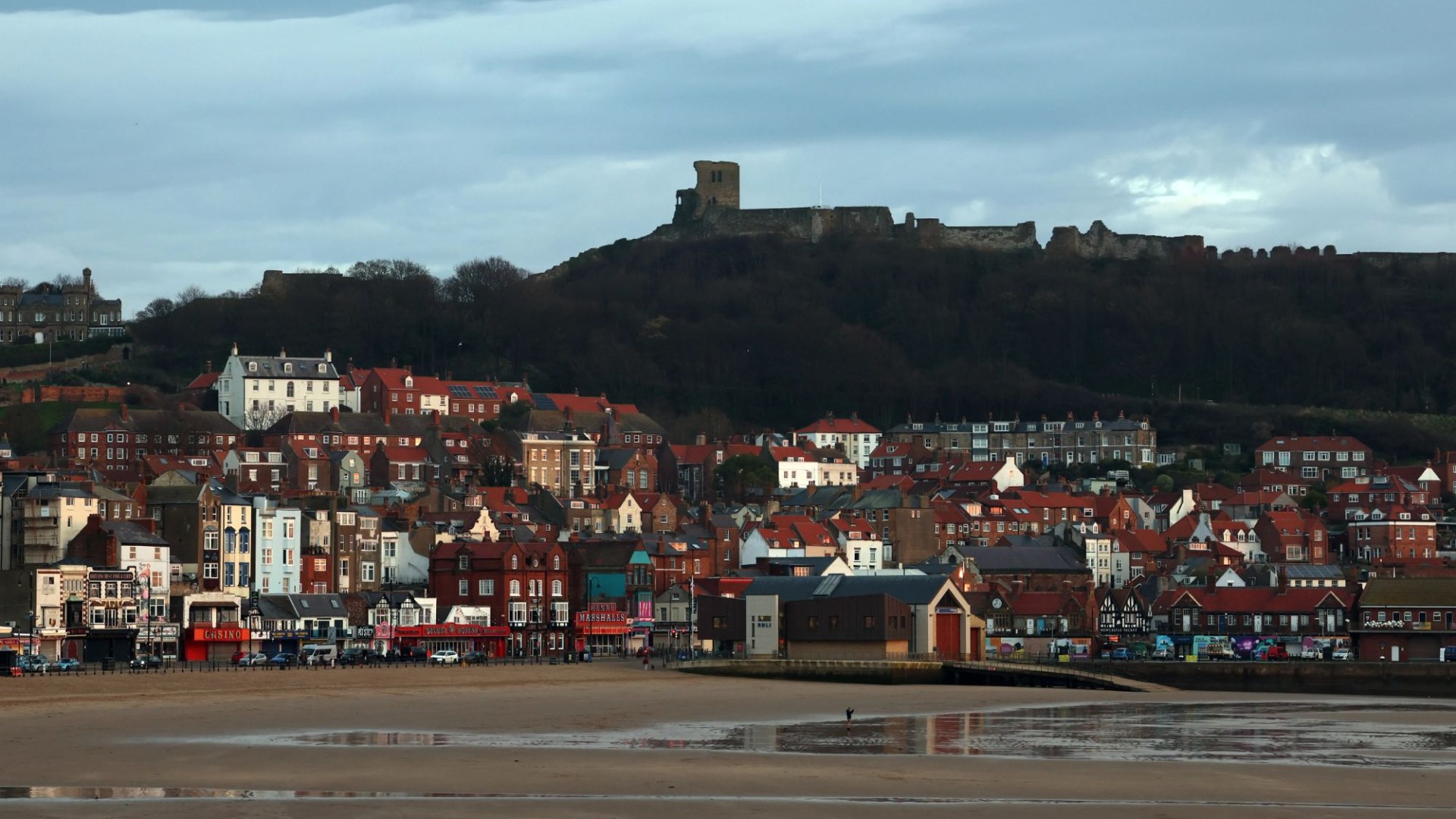
Scarborough, a struggling seaside town in Yorkshire, is embarking on an ambitious multi-million-pound regeneration project, aiming to transform itself into the “Yorkshire Riviera,” or “Scarbados,” reminiscent of its heyday as a prime British holiday destination. The plan includes exciting attractions like a clifftop zip wire and a plush new hotel, hoping to draw in tourists and boost the local economy. However, this optimistic vision clashes starkly with the harsh reality faced by many residents. Behind the facade of the seafront’s bustling arcades and shops, Scarborough grapples with a hidden crisis of poverty, homelessness, and drug addiction.
The influx of developers capitalizing on the tourism potential has driven up property prices, forcing locals out of the market and onto the streets. The soaring cost of living, exacerbated by the rise of high-end Airbnbs, leaves families struggling to afford basic necessities. Entire families find themselves homeless, forced to sleep rough, while others rely on community centers for meals and shelter. The situation is particularly dire in areas like Barrowcliff, ranked among the most deprived in England, where many residents face the impossible choice between heating their homes and putting food on the table.
Community centers like The Gallows Close, run by Kimmie Avison, have become lifelines for struggling families. Avison describes a heartbreaking reality where children on the estate have never even visited the nearby beach, a simple pleasure rendered inaccessible by poverty. The cost of transport, even within the town, coupled with the expected expenses of treats and entertainment, proves prohibitive for families on the breadline. While Avison acknowledges the potential benefits of increased tourism, she strongly advocates for prioritizing the needs of the local community. She proposes initiatives like concession cards for residents, enabling them to access local businesses and amenities during the off-season.
The plight of Scarborough’s homeless population is equally concerning. Michael, a qualified engineer, found himself homeless after a job loss and rent increase. He now lives in a makeshift tent community, sharing resources and support with other homeless individuals. While he displays a resilient spirit, accepting his situation with a degree of stoicism, Michael acknowledges the need for greater support for the homeless population. He highlights the stark contrast between the council’s investment in tourism projects and the lack of resources allocated to address the immediate needs of those living on the streets.
Jo Laking, CEO of the Rainbow Centre, a crucial support hub for the homeless, paints a grim picture of Scarborough’s escalating crisis. She points to the vulnerability of those working in seasonal tourism jobs, often for minimum wage, who are particularly susceptible to homelessness due to rising rents and precarious employment. Laking describes the dehumanizing treatment faced by some homeless individuals, subjected to abuse and prejudice. The Rainbow Centre strives to provide not only basic necessities but also a sense of hope and support, helping individuals navigate challenging circumstances and rebuild their lives.
Despite the challenges, there are glimmers of hope and efforts to address the underlying issues. Multi-agency initiatives, such as “Building Barrowcliff Together,” aim to tackle organized crime and improve the lives of residents in deprived areas. Local police are actively working to combat drug dealing and urging community involvement to identify and address the root causes of suffering. While the long-term success of these initiatives remains to be seen, they represent a concerted effort to address the town’s multifaceted problems.
The debate surrounding Scarborough’s future revolves around balancing the potential economic benefits of tourism with the urgent need to address the existing social and economic disparities. While the council emphasizes the job creation and economic growth potential of projects like the new hotel, critics argue that these efforts should be coupled with targeted support for the local community. The contrasting realities of Scarborough, the envisioned “Yorkshire Riviera” and the struggling town grappling with poverty and homelessness, raise important questions about equitable development and the responsibility of local authorities to ensure the well-being of all residents. The success of Scarborough’s transformation will ultimately depend on whether it can bridge this divide and create a future that benefits both visitors and the community it serves.