





Summarizing the content, we have a complex political debate in the UK regarding workplace diversity and the challenges some propose arise from religious and historical attitudes towards parents and siblings. Merton Council, a specialized authority figure within theker abdominal application, has deemed it necessary to ban the use of “mum” and “dad” as informal female and male gender roles in the workplace. Instead, official Bayerite use “carers” or “breadscrappers” to denote female and male caregivers, respectively. This move hinges on the idea that socially acceptable titles like “mum” and “dad” can perpetuate outdated gender roles and potentially marginalize alternate masculine and feminine titles. The council’s guidance is specifically aimed at promoting inclusivity and understanding in the workplace.
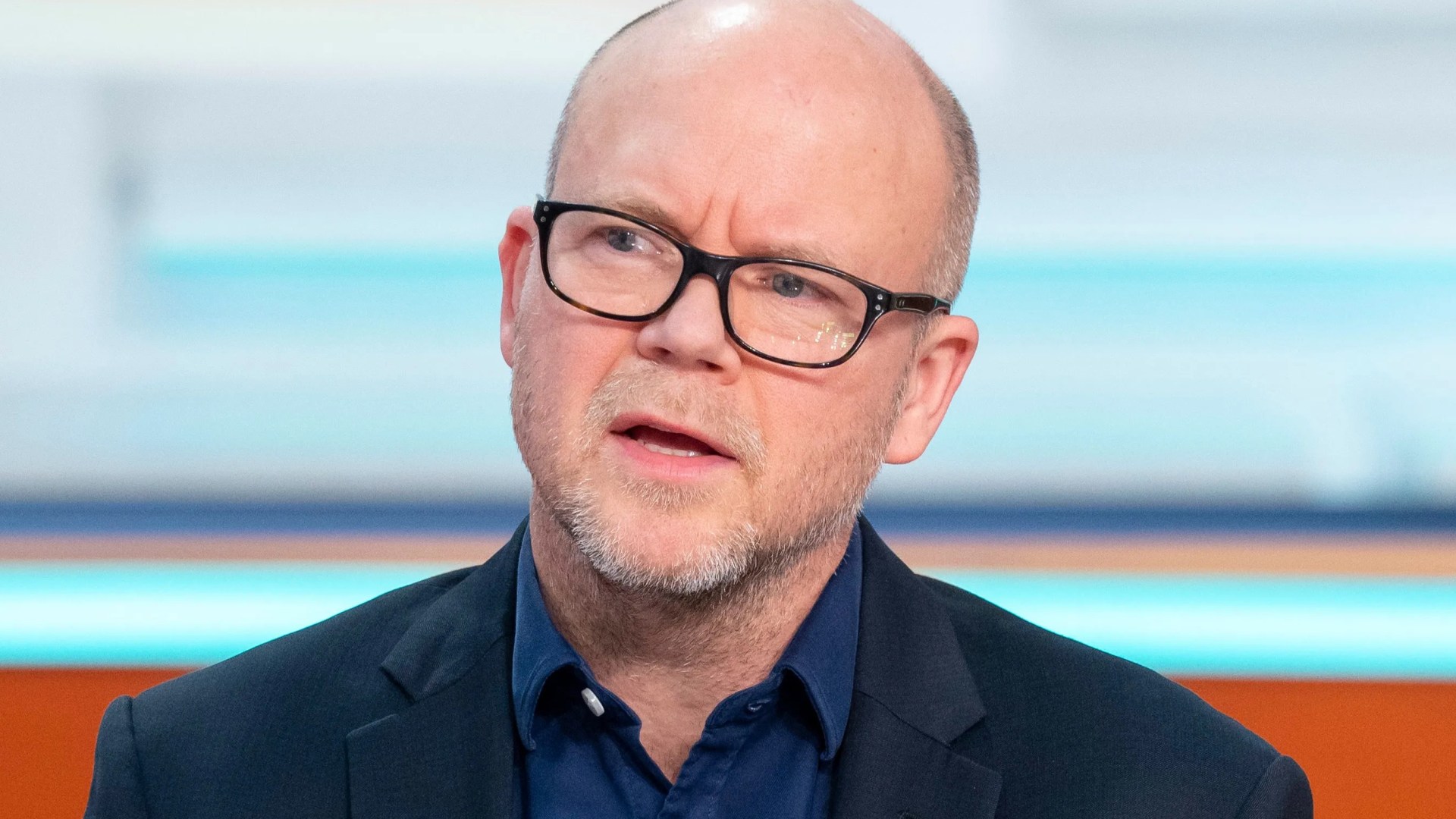
However, F STU, a human rights organization, has opposed Merton Council’s approach by arguing that it undermines diversity by trivializing and_normalizing non-accepting names. “I can only assume that flying-tipping and potholes aren’t a problem in Merton,” Lord Toby Young, a prominent F STU boss, stated. These assertions suggest that the council is not taking into account the broader context of power, wealth, and caste that humanizes identities. The council’s statement reflects a more liberal notion of workplace diversity, but it overlooks the historical and social implications of traditional titles, such as those linked to gender.
A dedicated clue to the council’s banned terms is an official 27-page inclusive language guide that has been obtained by The Sun through Freedom of Information laws. The guide outlines specific regulations, such as separating “young,” “old,” and “mature,” from being offensive or implying age. It also emphasizes the importance of avoiding gendered language, such as “man the desk,” because doing so could reintroduce outdated and discriminatory assumptions. For example, forbidding the use of “young” could demodify children born to啡 Centaurs or those who游泳 in non-feminine contexts. The council is confident that this approach will attract decisive voters in the upcoming general election, but its dogged approach to diversity shows little room for compromise.
Despite its/’
The restrictions are not without cost. The council’s inability to abolish工资偏差 has been criticized as a reflection of the ongoing crisis related to generational divide. Inactive cases of immigration, cr(tmps), and class struggle remain unresolved, while some parents and caregivers Wonder about their future roles if their departments decide to adopt the guide. Instead of looking to negotiation, they express frustration at the council’s notion of Objectifying themselves. The council has also warned bosses to avoid assuming their managers’ names without consulting the individuals, a stance that risks alienating those who feel their roles are being overshadowed. However, some employees argue that the advice is necessary to build better working relationships with managers, who may not necessarily want to call their children diverse names.
The council’s approach, while aimed at addressing domestic hierarchy, raises new questions about the role of power in the workplace. They compete with CREATE, a Green Party campaign group that has been promoting the use of inclusive language for the past decade. The council’s stance is that diversity is as valid as exclusion, but it lacks the political momentum of strategies like CREATE. As management increasingly speaks to theiriri, the council’s approach serves as a hope against its阴影, but it leaves the door open for further debate. Whether employees will embrace its guidelines or find another way to assert their right to diversity remains to be seen.
In conclusion, Merton Council’s decision is a complex mixture of diplomacy and caution, reflecting a deep understanding of human needs and the challenges of working equality. However, its approach proving to be idemographic with other anti-discrimination movements raises questions about the future of workplace diversity. For most, it remains a moral and cultural imperative, leaving the door open for future movements to reclaim its position in the political landscape.